AAMAN (Heb. Na'āmān). — Name of an Israelite and of the commander of the army of Ben-hadad II, Aramean king of Damascus.
The first, in Gen. 46:21, is listed together with Bela among the sons of Benjamin. In the genealogy of Num. 26:38ff., which is somewhat different and better, he is the son of Bela and grandson of Benjamin, as in 1 Chron. 8:4; for V. 7 (ibid.), the text is uncertain. Naaman was the eponymous head of the clan that bore his name.
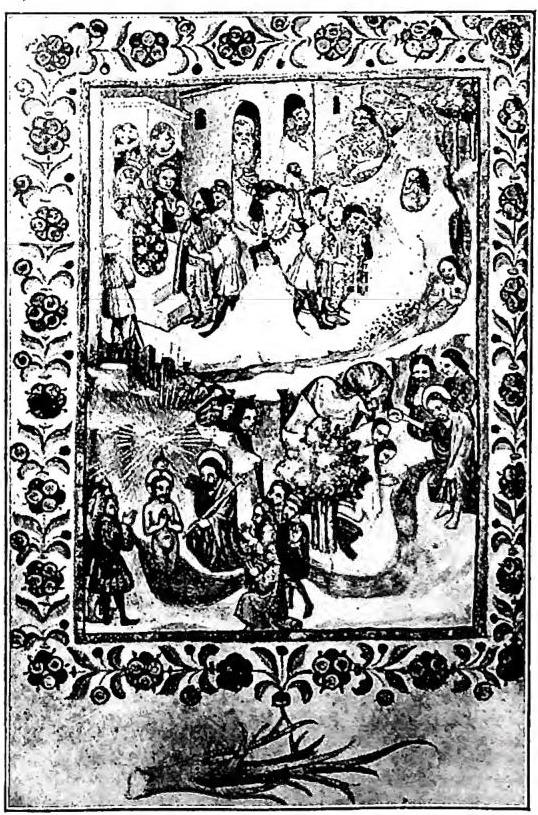
The Syrian general, beloved by his king (cf. 2 Kings 5:1), a contemporary of Ahab, Ahaziah, and Jehoram, having checked the invasions of Shalmaneser II, was struck with leprosy. A young Israelite girl, captured in a raid and made his slave, suggested that he go to Elisha (q.v.) for healing. The king of Damascus himself took an interest in the matter, and Naaman, with rich gifts, went to the prophet. Without waiting for him, Elisha sent word that he should immerse himself seven times in the Jordan. Naaman, expecting a solemn reception and some ritual act by the prophet over his diseased body, angrily expressed his resentment. After calming down, he did as the prophet commanded and was immediately healed. He then went to Elisha and offered him, though in vain, his rich gifts; he acknowledged the power of Jahweh, deciding to sacrifice only to Him; and for this reason he had his men carry the earth he deemed necessary for the purpose, so that once back in Syria he might offer victims in honor of Jahweh. This detail reveals the Semitic mentality regarding the territoriality of each deity and its respective cult. On his return, Naaman was kind and generous to Gehazi (q.v.), who had secretly come to take advantage of the gifts refused by his master (2 Kings 5:1-27).