
GEGENNA. – Valley of Ennom, of the sons of Ennom (Hebr. gé bene-Hinnôn and gé Hinnôn; Aram. gé hinnan, whence yéva with the suppression of the final nun), southwest of the gates of Jerusalem (Jer. 7:32; 19:2); today Wâdi er-Rabâbi. Ennom
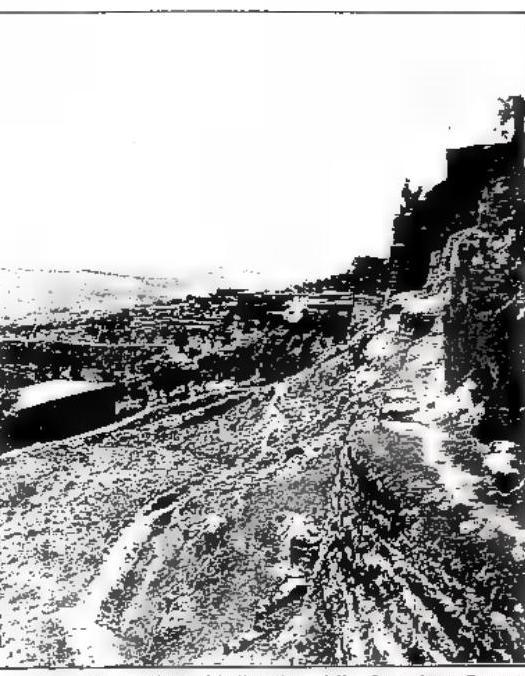
Gefenna – Valley of Hinnôn – Jerusalem.
was the ancient Canaanite owner (H. Vincent, p. 126 sq.). Borderland between Judah and Benjamin (Josh. 15:8; 18:15 sqq.). Shortly before the exile, G. is identified with the Tópheth (Hebrew vocalization from bó’eth = abomination), at the mouth of the Tyropaeon, in the spacious estuary where the three arteries of Jerusalem’s hydrographic network converge (H. Vincent, p. 133). It became sadly notorious from the time of Hezekiah onward for the cult of Moloch.
Tópheth means both hearth and gridiron on the edge of the burning pit where children were slaughtered and then cast into the sewer to burn (Ecclus. 16:21). Josiah removed human bones, rendering it impure (2 Kgs. 23:16 and 18); the notion of dung and fire to consume refuse and corpses (David Qimḥi), though widespread, has no foundation.
Because of its abominable cult, G. became a symbol of all desolations and, by antonomasia, of the place of punishment for sinners (v. SHEOL): Jer. 7:31 sqq.; 19:3 sqq.; 10; cf. Isa. 66:24; in the apocrypha (J. Chaine, cols. 573 sqq.). In the Synoptics (Matt. 5:22, 29, 30; 10:28; 18:9; 13:42, 50; Mark 9:43–45, 47; Luke 12:5; cf. 16:23), G. with its elements of fire and worms (decomposition of corpses) is the habitual symbol of hell (v.) and its torments.