
FRANCESCO ACCURSI. — Glossator, b. at Bagnolo Fiorentino in 1184, d. at Florence in 1263. Of humble origin, he studied at Bologna, where his teachers were Azzone and Iacopo Balduini. There he taught law from 1212 to 1253. Moving to Florence, perhaps expelled from Bologna for being a Ghibelline, he was appointed judge and assessor to the podestà. His remains were later transferred to the church of S. Francesco in Bologna.
His fame is more closely linked to the *Magna glossa* than to his specialized legal treatises, such as the *De arbitris*. The *Magna glossa* is a continuous gloss on all parts of the *Corpus iuris civilis*. Accursius’s merit lies in having collected, in accordance with the aspirations of his time, the thought of the glossators who had flourished from Irnerius to his own day, and in having preserved for posterity such a wealth of interpretations (always marked with sigla indicating the name of each author) of Justinian’s texts, which, in the midst of the fragmentary mass of glossatorial works, would very likely have been lost otherwise.
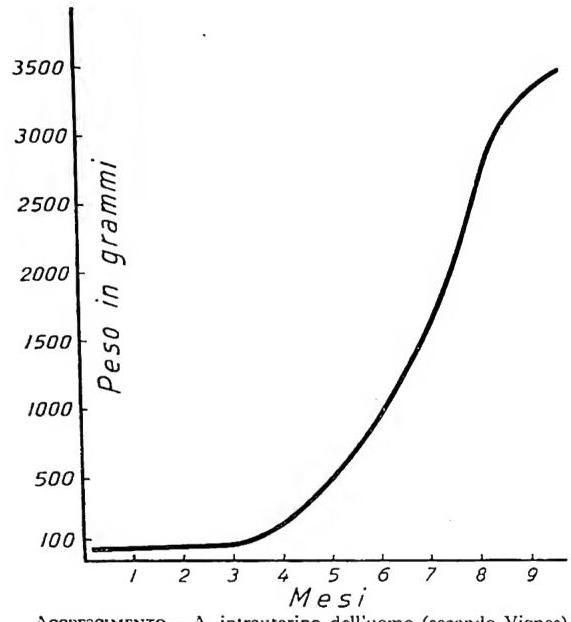
me, both for the formation of internal cavities and especially in relation to the fact that cells derived from the division of a cell grow until they reach the size of the mother cell; moreover, the formation of tissues
Accursius’s gloss quickly gained great renown. Already in the 13th century it was called the *Glossa ordinaria*, and it exerted such an influence on later studies that even Cujacius, after the rise of the commentators’ school, considered it the jurist’s vade mecum. Today, a commission of Italian scholars is preparing a critical edition of Accursius’s true *Glossa ordinaria*, to isolate it from all the additions made by later authors and editors.