
BARÂRTHÂ'. - Teaching "external, extraneous" (cf. in canon law the *Extravagantes*), not included, that is, in the Mišnâh (see), the code whose foundations were laid by Giuda (see) the Saint. Such legal norms are called *b.* in the Babylonian Talmûd (see), *mathnîthâ'* (teaching, traditional jurisprudence) in the Palestinian Talmûd. The relationships between *B.* and *Tôsephâ'* (see) are still debated, given that the majority of *b.* are not included in the *Tôsephâ'*. Others adduce particular reasons to explain the exclusion of 76 legal norms of R. Hîjja' from the "corpus" of the *Tôsephâ'*. Already in the time of the Amorei (see), knowledge of the text of a *b.* was considered non-obligatory. The *b.* of R. Hîjja' and of R. Hôsâ'jâh are cited in both Talmûd (Babylonian and Palestinian), but also in the ancient Midhrâšîm (see MIDHRŠ), which are predominantly preceptive in character. Like the Mišnâh and the Gêmâ'râ' (see), the *b.* also contains many narrative (haggadic) elements.
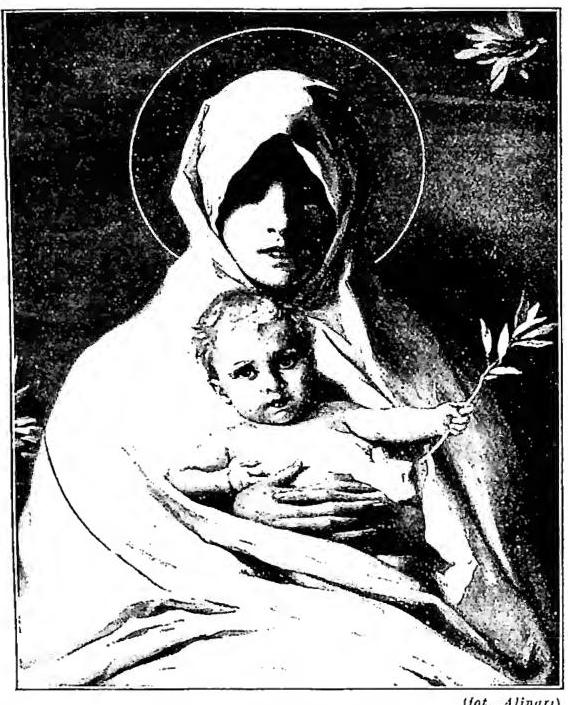
BARABINO, NICCOLÒ - Madonna dell'Olio. Detail. Sampierdarena, cathedral.
lazzi. Very well known are *Il Galileo davanti all'Inquisizione*, in the Palazzo Celesia; *Colombo a Salamanca*, in the Palazzo Orsini; *La Glorificazione della Superba*, in the Palazzo Comunale of Genoa; *La Gloria di s. Andrea*, on the ceiling of the church of the Ospedale Duchessa di Galliera; the lunettes in music for the façade of S. Maria del Fiore in Florence. With an innate Tiepolesque fervor, he broke the bonds of the historical academism of the Florentine environment in which he had been trained, drawing upon the romantic and veristic experiences of Domenico Morelli. Some of his Madonnas, such as the very well-known *Quasi oliva speciosa in campis* (in Sampierdarena), became popular. B. is considered the greatest Ligurian painter of the 19th century.