
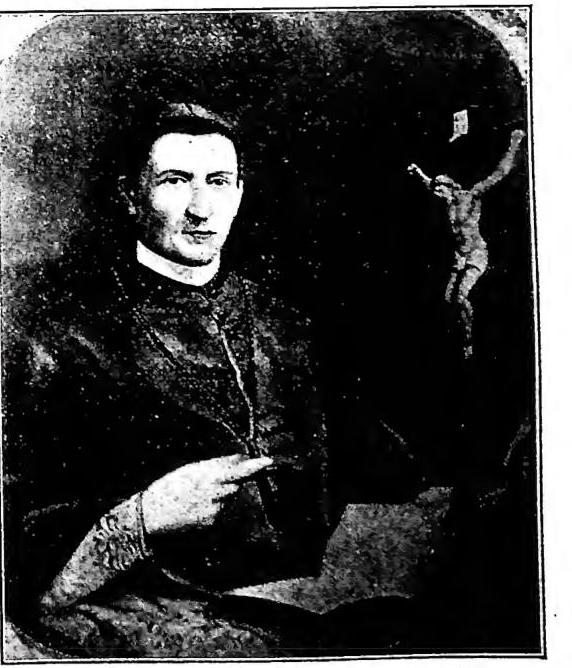
GIANONE, PIETRO. – Born on 7 May 1676 at Ischitella to Scipione and Lucrezia Micaglia, died in Turin on 17 March 1748. He studied law in Naples, graduated there in 1698, and began to practise law with success. At the same time he devoted himself passionately to jurisdictional questions, which he wished to reconsider in their historical antecedents and in their overall context. The result was a work of vast scope, the Istoria civile del Regno di Napoli (published in Naples in 1723), in which the author set out to narrate the events of the Kingdom of Naples, which makes the work questionable and ephemeral from a historical-scientific point of view. It is, however, fundamental in the history of political-ecclesiastical thought for its jurisdictionalism, which in G.’s vision was intimately linked to the alliance of monarchical absolutism and the middle class. The work met with immediate resonance, received lavish praise from the anti-Jesuits, and became one of their most cherished texts; it was translated into many languages (placed on the Index on 1 July 1723).
In 1723 G. was excommunicated by the Archbishop of Naples and went to Vienna, where he was received by Charles VI, who granted him an annual pension. In Vienna he wrote some shorter polemical works, all aimed at deepening and clarifying individual points of his previous work; taken together, they also present a concrete programme of political action, which was subsequently applied in Naples and elsewhere (full exercise of the royal exequatur, reduction of ecclesiastical jurisdiction, gradual suppression of mortmain, etc.). Also in Vienna he wrote another more important work, known by the title of Triregno: here he developed the thesis that, in order to ensure free and unchallenged development of state sovereignty, it was necessary to suppress the papacy and the ecclesiastical hierarchy, deprive the clergy of all temporal goods, and subject them entirely to the State.
When his Viennese pension ceased in 1734, G. planned to return home. But he was forbidden to enter the Kingdom.