
JONA, JENHÖRHÄN, also known as JISHÄQ. — A rabbi who converted to Christianity, known in Italy as Giovanni Battista Giuda Giona or more briefly as Battista. Born to Jewish parents from Spain in Safed (Galilee) on October 28, 1588, he died in Rome on May 26, 1668. As a rabbi, he visited cities in Italy, then traveled to Poland and subsequently to Amsterdam; he served as a *dajjan* (judge) in Hamburg. He received baptism in Warsaw in 1625; thereafter, sent by the King of Poland to Constantinople to purchase gems, he was captured by Cossacks, from whom he was ransomed by the Venetian ambassador. He later came to Italy, where he taught Hebrew and Aramaic at the Academy of Pisa and eventually settled in Rome. There, for about 25 years, he served as an instructor of catechumens, professor of Hebrew at the *Archiginnasio* and at the College of Propaganda, and from 1650 onward, he worked as a writer for the Vatican Library and interpreter for the Holy See in Semitic languages. He was
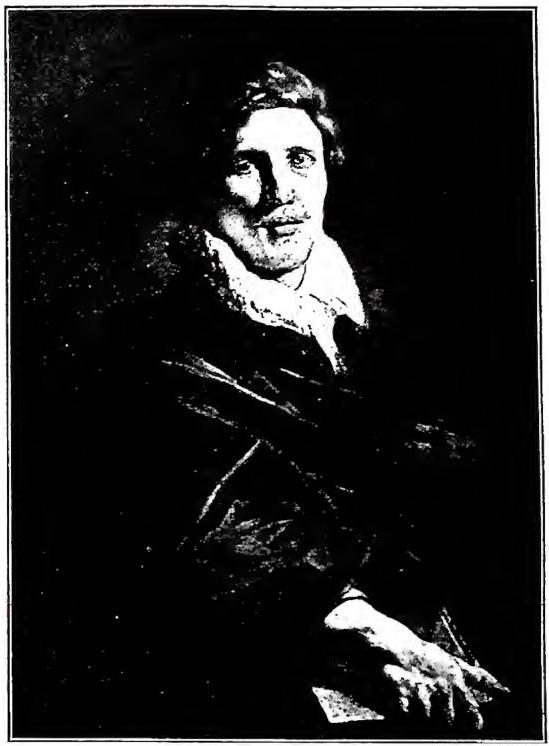
The teacher of Giulio Bartolocci (v.), for whom he prepared and began the vast work.
His most important work is the Hebrew translation (from Latin) of the Four Gospels: *Bérith hâdhâshâh*, with a preface by Pope Clement IX (folio, Rome 1668); it is the oldest such translation after that of Elia Hutter (Nuremberg 1660). He also published, in Hebrew and Latin, an extensive discourse delivered at the College of Propaganda on Pentecost 1653: *Dérâš. Protoplastorum remedium, Messiae adventus, ac igneus Spiritus Sancti super Apostolos descensus* (Rome 1653). His *Limmâdh ham-mêšîhîm* (“Doctrine of the Christians”) is the Hebrew version of St. Robert Bellarmine’s catechism, with the Italian text and notes drawn from rabbinic writings, printed by Propaganda (Rome 1658); in the 2nd edition (ibid. 1661; reprint 1664), he added a rebuttal against detractors of the translation: *Note d’alcuni errori della traduttione hebraica nel testo della dottrina christiana e nelle annotazioni aggiunte dall’autore di quella*.