
MAXIMIAN (Marcus Aurelius Valerius Maximianus), ROMAN EMPEROR. - Born of humble origins in Pannonia, he became a soldier during one of the periods of most vigorous and successful recovery of Roman military prestige under the emperors Aurelian and Probo. He was a protégé of Diocletian, who assisted him in his career, so much so that he recognized Diocletian’s superiority and remained always devoted to him.
The ancient sources concerning him are of little value, ranging from the often excessive praise in the orations of Mamertinus (v. VI) to the harsh, perhaps exaggerated, judgments of the few historians of the time, who never cease to insist on his roughness, ignorance, impulsiveness, gross inexperience, and childish greed for honors.
When Diocletian, after the deaths of Carus, Numerian, and Carinus, found no one to oppose his claim to the Empire, he nevertheless had to address numerous grave and urgent needs, not least the serious disorders in the Gallic provinces, which had suffered enormous damage from repeated barbarian invasions and internal struggles among usurpers. It was necessary to avert this calamity, and for this purpose Diocletian appointed M. as Caesar and sent him with military forces to Gaul. M. acquitted himself admirably, and as a result was associated with the Empire with the title of Augustus.
Left in charge of all the western provinces, M. won further victories over the Germans beyond the Rhine, particularly over the Franks, while one of his generals, Carausius,
MAXIMIAN, archbishop of Ravenna, saint. - A deacon of the Church of Pola, born in 498, he died at Ravenna on 21 February 556. From his native Istria he went to the court of Constantinople. On 14 October 546, in Patras of Acacia, he was consecrated bishop of Ravenna by Pope Vigilius, at the behest of Justinian. Before this date, the little that is known of his life is interwoven with legend. Agnellus of Ravenna included in his Liber pontificalis a few lines written by M., which are all that remain of his own works, and also recalled a mission of his to Alexandria, before his elevation to the episcopate, perhaps to settle disputes and theological questions.
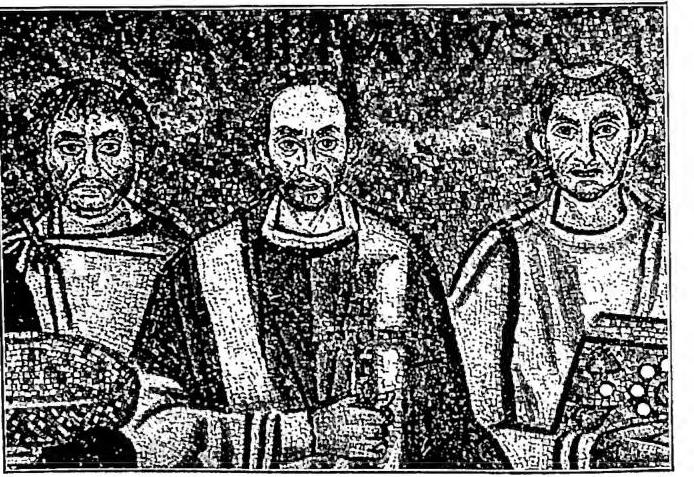
But at Ravenna the personality of M. lives on in the ecclesiastical history and in the monuments of the city. At first disliked by the clergy and people, who in the Three Chapters controversy had almost entirely sided with the schismatic party and therefore saw in M. the bishop imposed by the Byzantine court to thwart this schismatic attitude, M. succeeded in his aim so that he was later considered the ideal bishop. The only metropolitan in Italy faithful to Vigilius, his work extended beyond the boundaries of his own Church and province, reaching the territories of the ecclesiastical provinces of Milan and Aquileia, and even venturing into the territory of the Roman metropolitan see. The first in the West to assume, after 549 and before 554, the title of archiepiscopus, with a meaning far broader than that of today: not merely a metropolitan, but the head of a group of metropolitans. To him we owe the consecration of Ravenna’s most celebrated basilicas, S. Vitale and S. Apollinare in Classe, which he adorned with splendid mosaics. In the former, in the great historical panel on the left, beside Justinian, one may still admire the figure of the bishop “tall in stature, slender in body and emaciated, with the few hairs that crown his head,” and who gazes with “glaucous eyes,” as described by Agnellus. At Ravenna, by his wish, there also arose the basilica in honor of the Protomartyr Stephen, in which he deposited relics of the titular saint and of twenty other saints, and the one of S. Andrea Maggiore was renewed: both now vanished. At Pola the basilica of S. Maria Formosa remained famous, of which little now survives.
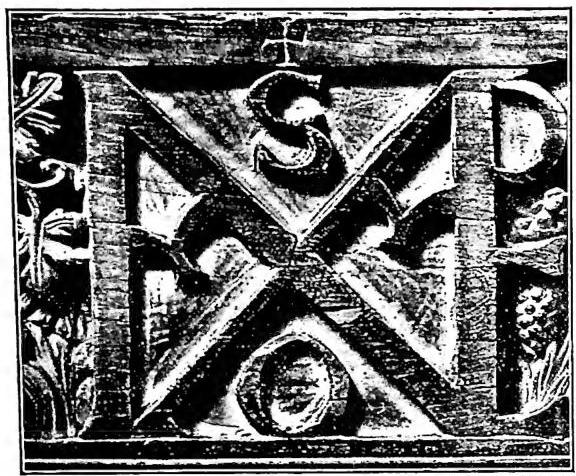
Of his munificence the celebrated ivory throne bears witness, bearing the monogram interpreted as Maximianus episcopus. From him began that Istrian patrimony which in later centuries made the church of Ravenna renowned and wealthy on the eastern shore of the Adriatic. A little-known and still little-studied activity of M. is that recalled by Agnellus, concerning sacred liturgy.
MASSIMIANO
Massimiano, archbishop of Ravenna, saint — M. between a court dignitary and a deacon. Detail of the mosaic of Justinian’s procession (6th century). Ravenna, S. Vitale.
MASSIMIANO, archbishop of Ravenna, saint. — Deacon of the Church of Pola, b. in 498, d. at Ravenna on 21 Feb. 556. From his native Istria he went to the court of Constantinople. On 14 Oct. 546, at Patras d’Acacia, he was consecrated bishop of Ravenna by Pope Vigilius at the behest of Justinian. Before this date, the little that is known of his life is woven with legend. Agnellus of Ravenna inserted in his Liber pontificalis a few lines by M., which are all that remain of his writings, and likewise recalled a mission of the same to Alexandria before his elevation to the episcopate, perhaps to settle disputes and theological questions.
But in Ravenna the personality of Maximian is alive in the ecclesiastical history and in the monuments of the city. At first disliked by the clergy and the people, who in the Three Chapters controversy had almost entirely sided with the schismatic party and therefore saw in Maximian the bishop imposed by the Byzantine court to thwart this schismatic attitude, Maximian nevertheless succeeded in his aim, so that he was later considered the ideal bishop. The only metropolitan in Italy faithful to Vigilius, his work extended beyond the boundaries of his own Church and province, reaching the territories of the ecclesiastical provinces of Milan and Aquileia, with forays even into the territory of the Roman metropolitan see. The first in the West to assume, after 549 and before 554, the title of archiepiscopus, with a meaning far broader than that of today: not merely a metropolitan, but the head of a group of metropolitans. To him we owe the consecration of Ravenna’s most celebrated basilicas, those of St. Vitalis and St. Apollinaris in Classe, which he adorned with splendid mosaics. In the former, in the great historical panel on the left, beside Justinian, one may still admire the figure of the bishop “tall in stature, slender of body and emaciated, with the few hairs that crown his head,” and who gazes with “hazel eyes,” as described by Agnellus. In Ravenna, by his wish, there also arose the basilica in honor of the Protomartyr Stephen, in which he deposited relics of the titular saint and of twenty other saints, and he restored that of St. Andrew Major: both now vanished. At Pola the basilica of St. Mary Formosa remained famous, of which today very little survives.
Witness to his munificence is the celebrated ivory throne, bearing the monogram interpreted as Maximianus episcopus. From him began that Istrian patrimony which in later centuries made the church of Ravenna renowned and wealthy on the eastern shore of the Adriatic. A little-known and still little-studied activity of Maximian is that recorded by Agnellus, concerning sacred liturgy.
MASSIMIANO, archbishop of Ravenna, saint. — Deacon of the Church of Pola, b. in 498, d. at Ravenna on 21 Feb. 556. From his native Istria he went to the court of Constantinople. On 14 Oct. 546, at Patras in Achaia, he was consecrated bishop of Ravenna by Pope Vigilius at the behest of Justinian. Before this date, the little that is known of his life is interwoven with legend. Agnellus of Ravenna inserted in his Liber pontificalis a few lines by Maximian, which are all that remain of his writings, and he also recalled a mission entrusted to the same before his elevation to the episcopate, perhaps to settle disputes and theological questions, possibly in Alexandria.
But at Ravenna the personality of Maximian lives on in the ecclesiastical history and in the monuments of the city. At first he was disliked by the clergy and people, who in the Three Chapters controversy had almost unanimously taken the side of the schismatic party and therefore saw in Maximian the shepherd imposed by the Byzantine court to thwart this schismatic attitude. Yet Maximian succeeded in his aim, so that later he came to be regarded as the ideal bishop. The only metropolitan in Italy who remained faithful to Vigilius, his work extended beyond the bounds of his own Church and province, reaching into the territories of the ecclesiastical provinces of Milan and Aquileia, and even venturing into the territory of the Roman metropolitan see. First in the West he assumed, after 549 and before 554, the title of archiepiscopus, with a meaning far broader than that of today: not merely a metropolitan, but the head of a group of metropolitans. To him is due the consecration of Ravenna’s most celebrated basilicas, those of St. Vitalis and St. Apollinaris in Classe, which he adorned with splendid mosaics. In the former, in the great historical panel on the left, beside Justinian, one may still admire the figure of the bishop “tall in stature, slender in body and emaciated, with the few hairs that crown his head,” and who gazes with “pale eyes,” as Agnellus describes him. At Ravenna, by his wish, there also arose the basilica in honor of the Protomartyr Stephen, in which he deposited relics of the titular saint and of twenty others, and the basilica of St. Andrew the Greater was renewed; both of these are now lost. At Pola the basilica of St. Mary Formosa remained famous, of which little now remains.
Of his munificence the celebrated ivory throne bears witness, bearing the monogram interpreted as “Maximianus episcopus.” From him began that patrimony in Istria which in later centuries made the church of Ravenna renowned and wealthy on the eastern shore of the Adriatic. A little-known and still little-studied activity of Maximian is that recorded by Agnellus, concerning sacred liturgy.
MASSIMIANO, archbishop of Ravenna, saint. — A deacon of the Church of Pola, born in 498, died at Ravenna on 21 Feb. 556. From his native Istria he passed to the court of Constantinople. On 14 Oct. 546, at Patras of Acacia, he was consecrated bishop of Ravenna by Pope Vigilius at the behest of Justinian. Before this date, the little that is known of his life is interwoven with legend. Agnellus of Ravenna inserted in his Liber pontificalis a few lines by Maximian, which are all that remain of his writings, and he also recorded a mission of the same man to Alexandria before his elevation to the episcopate, perhaps to settle disputes and theological questions.
But in Ravenna the personality of Maximianus is alive in the ecclesiastical history and in the monuments of the city. At first he was disliked by the clergy and the people, who in the Three Chapters controversy had almost entirely sided with the schismatic party and therefore saw in Maximianus the bishop imposed by the Byzantine court to counteract this schismatic attitude. Maximianus nevertheless succeeded in his aim, so that later he was considered the ideal bishop. The only metropolitan in Italy faithful to Vigilius, his work extended beyond the boundaries of his own Church and province, reaching the territories of the ecclesiastical provinces of Milan and Aquileia, with forays even into the territory of the Roman metropolitan see. He was the first in the West to assume, after 549 and before 554, the title of archiepiscopus, with a meaning far broader than that of today: not merely a metropolitan, but the head of a group of metropolitans. To him we owe the consecration of Ravenna’s most celebrated basilicas, those of St. Vitalis and St. Apollinaris in Classe, which he adorned with splendid mosaics. In the former, in the great historical panel on the left, beside Justinian, one may still admire the figure of the bishop “tall in stature, slender of body and emaciated, with the few hairs that crown his head,” and who gazes with “glaucous eyes,” as Agnellus describes him. In Ravenna, by his wish, there also arose the basilica in honor of the Protomartyr Stephen, in which he deposited relics of the titular saint and of twenty other saints, and he restored that of St. Andrew Major; both of these basilicas have since disappeared. At Pola the basilica of St. Mary Formosa remained famous, though today little of it survives.
Of his munificence the celebrated ivory throne is a witness, bearing the monogram interpreted as Maximianus episcopus. From him began that estate in Istria which in later centuries made the church of Ravenna renowned and wealthy on the eastern shore of the Adriatic. A little-known and still little-studied activity of Maximianus is that recorded by Agnellus, concerning sacred liturgy.
MAXIMIANUS, archbishop of Ravenna, saint. — A deacon of the Church of Pola, born in 498, died at Ravenna on 21 February 556. From his native Istria he passed to the court of Constantinople. On 14 October 546, at Patras in Achaia, he was consecrated bishop of Ravenna by Pope Vigilius at the behest of Justinian. Prior to this date, the scant information about his life is interwoven with legend. Agnellus of Ravenna inserted in his Liber pontificalis a few lines by Maximianus, which are all that remain of his writings, and likewise recalled a mission entrusted to him at Alexandria before his elevation to the episcopate, perhaps to settle theological disputes.
But at Ravenna the personality of Maximian is alive in the ecclesiastical history and in the monuments of the city. At first he was disliked by the clergy and the people, who in the Three Chapters controversy had almost entirely sided with the schismatic party and therefore saw in Maximian the shepherd imposed by the Byzantine court to counteract this schismatic attitude. Maximian, however, succeeded in his aim so well that he was later considered the ideal bishop. The only metropolitan in Italy faithful to VIGILIUS, his work extended beyond the boundaries of his own Church and province, reaching the territories of the ecclesiastical provinces of Milan and Aquileia, and even venturing into the territory of the Roman metropolitan see. He was the first in the West to assume, after 549 and before 554, the title of archiepiscopus, with a meaning far broader than that of today: not merely a metropolitan, but the head of a group of metropolitans. To him we owe the consecration of Ravenna’s most celebrated basilicas, those of S. Vitale and S. Apollinare in Classe, which he adorned with splendid mosaics. In the former, in the great historical panel on the left, beside Justinian, one may still admire the figure of the bishop “tall in stature, slender in body and emaciated, with the few hairs that crown his head,” and who gazes with “glaucous eyes,” as Agnellus describes him. At Ravenna, by his wish, there also arose the basilica in honor of the Protomartyr Stephen, in which he deposited relics of the titular saint and of twenty other saints, and the basilica of S. Andrea Maggiore was renovated; both of these are now lost. At Pola the basilica of S. Maria Formosa remained famous, though today little of it remains.
Of his munificence the celebrated ivory throne is a witness, bearing the monogram interpreted as Maximianus episcopus. From him began that patrimony in Istria which in later centuries made the church of Ravenna renowned and wealthy on the eastern shore of the Adriatic. A little-known and still little-studied activity of Maximian is that recorded by Agnellus, concerning sacred liturgy.
MASSIMIANO, archbishop of Ravenna, saint. — Deacon of the Church of Pola, born in 498, died at Ravenna on 21 Feb. 556. From his native Istria he went to the court of Constantinople. On 14 Oct. 546, at Patras in Achaia, he was consecrated bishop of Ravenna by Pope Vigilius at the behest of Justinian. Before this date, the little that is known of his life is interwoven with legend. Agnellus of Ravenna inserted in his Liber pontificalis a few lines by Maximian, which are all that remains of his writings, and also recorded a mission of his to Alexandria before his elevation to the episcopate, perhaps to settle disputes and theological questions.
But in Ravenna the personality of Maximian is alive in the ecclesiastical history and in the monuments of the city. At first he was disliked by the clergy and the people, who in the Three Chapters controversy had almost entirely taken the side of the schismatic party and therefore saw in Maximian the bishop imposed by the Byzantine court to counter this schismatic attitude. Maximian succeeded in his aim, so that later he was considered the ideal bishop. The only metropolitan in Italy faithful to Vigilius, his work extended beyond the boundaries of his own Church and province, reaching the territories of the ecclesiastical provinces of Milan and Aquileia, with forays even into the territory of the Roman metropolitan jurisdiction. First in the West he assumed, after 549 and before 554, the title of archbishop, with a meaning far broader than that of today: not merely a metropolitan, but the head of a group of metropolitans. To him we owe the consecration of the celebrated Ravenna basilicas of St. Vitalis and St. Apollinaris in Classe, which he adorned with splendid mosaics. In the former, in the great historical panel on the left, beside Justinian, the figure of the bishop is still admired today: “tall in stature, slender in body and emaciated, with the few hairs that crown his head,” and who looks with “glaucous eyes,” as Angellus describes him. In Ravenna, by his wish, there also arose the basilica in honor of the Protomartyr Stephen, in which he deposited relics of the titular saint and of twenty other saints, and he restored that of St. Andrew Major: both of these are now lost. At Pola the basilica of St. Mary Formosa remained famous, of which little now remains.
Of his munificence the celebrated ivory throne is a witness, bearing the monogram interpreted as “Maximianus episcopus.” From him began that patrimony in Istria which in later centuries made the Church of Ravenna famous and wealthy on the eastern shore of the Adriatic. A little-known and still little-studied activity of Maximian is that recorded by Agnellus, concerning sacred liturgy.
MASSIMIANO, archbishop of Ravenna, saint. — Deacon of the Church of Pola, b. in 498, d. at Ravenna on 21 Feb. 556. From his native Istria he went to the court of Constantinople. On 14 Oct. 546, at Patras in Achaia, he was consecrated bishop of Ravenna by Pope Vigilius at the wish of Justinian. Before this date, the little that is known of his life is interwoven with legend. Agnellus of Ravenna inserted in his Liber pontificalis a few lines by Maximian, which are all that remain of his writings, and he also recorded a mission of the same to Alexandria before his elevation to the episcopate, perhaps to settle disputes and theological questions.
But at Ravenna the personality of Maximian is alive in the ecclesiastical history and in the monuments of the city. At first he was disliked by the clergy and the people, who in the Three Chapters controversy had almost entirely sided with the schismatic party and therefore saw in Maximian the shepherd imposed by the Byzantine court to thwart this schismatic attitude. Maximian succeeded in his aim, so that later he was considered the ideal bishop. The only metropolitan in Italy faithful to VIGILIUS, his work extended beyond the boundaries of his own Church and province, reaching the territories of the ecclesiastical provinces of Milan and Aquileia, with forays even into the territory of the Roman metropolitan see. First in the West he assumed, after 549 and before 554, the title of archiepiscopus, with a meaning far broader than that of today: not merely a metropolitan, but the head of a group of metropolises. To him we owe the consecration of Ravenna’s celebrated basilicas of S. Vitale and S. Apollinare in Classe, which he adorned with splendid mosaics. In the former, in the great historical panel on the left, beside Justinian, one may still admire the figure of the bishop “tall in stature, slender in body and emaciated, with the few hairs that crown his head,” and who gazes with “glaucous eyes,” as described by Agnellus. In Ravenna, by his will, there also arose the basilica in honor of the Protomartyr Stephen, in which he deposited relics of the titular saint and of twenty other saints, and he restored that of S. Andrea Maggiore: both of these are now vanished. At Pola the basilica of S. Maria Formosa remained famous, of which today very little remains.
Of his munificence the celebrated ivory throne is a witness, bearing the monogram interpreted as MAXIMIANUS EPISCOPUS. From him began that patrimony in Istria which in later centuries made the church of Ravenna renowned and wealthy on the eastern shore of the Adriatic. A little-known and still little-studied activity of Maximian is that recorded by Agnellus, concerning sacred liturgy.
MAXIMIAN, archbishop of Ravenna, saint. — Deacon of the Church of Pola, b. in 498, d. at Ravenna on 21 Feb. 556. From his native Istria he went to the court of Constantinople. On 14 Oct. 546, at Patrasso d’Acacia, he was consecrated bishop of Ravenna by Pope Vigilius at the behest of Justinian. Before this date, the little that is known of his life is interwoven with legend. Agnellus of Ravenna inserted in his Liber pontificalis a few lines by Maximian, which are all that remains of his writings, and likewise recalled a mission of his to Alexandria before his elevation to the episcopate, perhaps to settle disputes and theological questions.
But at Ravenna the personality of Maximian lives on in the ecclesiastical history and monuments of the city. At first he was disliked by the clergy and people, who in the Three Chapters controversy had almost unanimously taken the side of the schismatic party and therefore saw in Maximian the shepherd imposed by the Byzantine court to thwart this schismatic attitude. Maximian, however, succeeded in his aim, so that later he was regarded as the ideal bishop. The only metropolitan in Italy loyal to Vigilius, his work extended beyond the bounds of his own Church and province, reaching into the territories of the ecclesiastical provinces of Milan and Aquileia, and even venturing into the territory of the Roman metropolitan see. The first in the West to assume, after 549 and before 554, the title of archbishop, with a meaning far broader than that of today: not merely a metropolitan, but head of a group of metropolitans. To him we owe the consecration of Ravenna’s most celebrated basilicas, S. Vitale and S. Apollinare in Classe, which he adorned with splendid mosaics. In the former, in the great historical panel on the left, beside Justinian, one may still admire the figure of the bishop “tall of stature, slender of body and emaciated, with the few hairs that crown his head,” and who gazes with “glaucous eyes,” as Agnellus describes him. At Ravenna, by his wish, there also arose the basilica in honour of the Protomartyr Stephen, in which he deposited relics of the titular saint and of twenty others, and he restored that of S. Andrea Maggiore: both now vanished. At Pola the basilica of S. Maria Formosa remained famous, though little now remains of II.
Of his munificence the celebrated ivory throne is a witness, bearing the monogram interpreted as Maximianus episcopus. From him began that patrimony in Istria which in later centuries made the church of Ravenna renowned and wealthy on the eastern shore of the Adriatic. A little-known and still little-studied activity of Maximian is that recorded by Agnellus, concerning sacred liturgy.
MAXIMIAN, archbishop of Ravenna, saint. — A deacon of the Church of Pola, born in 498, died at Ravenna on 21 Feb. 556. From his native Istria he passed to the court of Constantinople. On 14 Oct. 546, at Patras d’Acacia, he was consecrated bishop of Ravenna by Pope Vigilius at the behest of Justinian. Before this date, the little that is known of his life is woven about legend. Agnellus of Ravenna inserted in his Liber pontificalis a few lines by Maximian, which are all that remain of his writings, and he also recalled a mission of the same to Alexandria before his elevation to the episcopate, perhaps to settle disputes and theological questions.
But at Ravenna the personality of MAXIMIAN is alive in the ecclesiastical history and in the monuments of the city. At first he was disliked by the clergy and the people, who in the Three Chapters controversy had almost entirely taken the side of the schismatic party and therefore saw in MAXIMIAN the bishop imposed by the Byzantine court to counteract this schismatic attitude. MAXIMIAN, however, succeeded in his aim, so that later he was considered the ideal bishop. The only metropolitan in Italy loyal to VIGILIUS, his work extended beyond the boundaries of his own Church and province, reaching the territories of the ecclesiastical provinces of Milan and Aquileia, and even venturing into the territory of the Roman metropolitan jurisdiction. First in the West he assumed, after 549 and before 554, the title of archbishop, with a meaning far broader than that of today: not merely a metropolitan, but the head of a group of metropolitans. To him we owe the consecration of Ravenna’s most celebrated basilicas, S. Vitale and S. Apollinare in Classe, which he adorned with splendid mosaics. In the former, in the great historical panel on the left, beside JUSTINIAN, one may still admire the figure of the bishop “tall of stature, slender of body and emaciated, with the few hairs that make him stand out from the crowd.”
MAXIMIAN, archbishop of Ravenna, saint Monogram of M.: aMaximianus episcopus a. Detail of the throne of M. at Ravenna, Archiepiscopal Palace.