
ART. — The cathedral of Monreale constitutes the most splendid example of Norman architecture in Sicily.
The most well-preserved part on the exterior is the apse, characterized by three orders of blind arcades that lighten the structure and stand out for their lively chromatic contrast of limestone and lava. Inside, the clear basilican structure has not been altered by the addition of Baroque chapels, which are independent structures. The Muslim architectural elements (pointed arches) and Byzantine ones (dosserets on the capitals, and certain iconographic details such as the prothesis and diaconicon, as well as the three terminal apses) are elaborated and fused with the same perfect balance that is achieved in the decoration. This adorns the entire interior with Oriental splendor: the pavement has Muslim artistic features; the mosaics are Byzantine, to which local craftsmen likely contributed; they are the largest in Sicily, covering all the walls with episodes from Genesis and the New Testament, scenes from the lives of SS. Peter and Paul, images of saints and prophets, and, in the apse, the dominant image of the Redeemer, whose iconography resembles that of the cathedral of Cefalù. However, these mosaics, already nearly completed in 1182, belong to that late Byzantine current that tends toward conventional pathos.
The bronze doors of the two portals date from the same period as the decoration: those of the main door were carved in 1185 by Bonanno Pisano with lively pictorial vivacity; and those of the side door, in which Barisano da Trani instead seeks the softness and elegance of ivory carvings.
Among the later additions, the most notable is the Chapel of the Crucifix, begun in 1692 with a design by Fra' Giovanni da Monreale, in which the sumptuous decoration of sculptures and marble inlays is typical of Sicilian Baroque. In the 18th century, after the ancient narthex was demolished, the small portico of the façade was built between the two great Norman towers, now truncated.
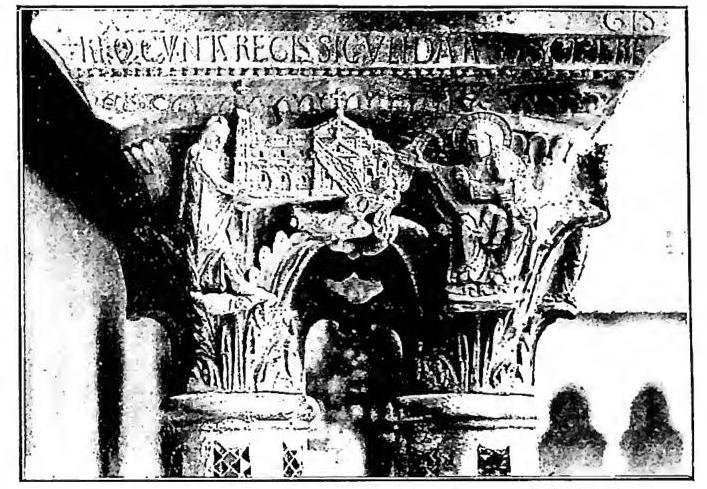
To the right of the church is the cloister of the ancient monastery, perfectly preserved, the largest and most evocative of those from the 12th century. The Arab imprint dominates the architecture, in the vivid mosaic decorations of the columns, and particularly in the stemmed fountain placed in a corner, enclosed by arcades. The capitals, with their varied figured decorations (one depicts William II, as in a mosaic of the church, in the act of offering the temple to the Virgin), display the most diverse characteristics of Romanesque art, not only from the schools of southern Italy but also from northern Italy and elsewhere, testifying to what a rich center of culture the monastery was.