
PREVENTION (economic problem). — In economics, this is the operation by which sums are set aside which, although withdrawn from ordinary consumption, do not yet constitute productive saving (which ensures an income), but serve to give elasticity to the personal or family budget in view of extraordinary expenses. Such expenses correspond to needs which, although individually unpredictable in kind, timing, and importance, nevertheless, taken indiscriminately as a whole, possess a high degree of probability: illness, unemployment, family contingencies, litigation; or else a degree of certainty, such as the loss of productivity in old age and death.
Amounts set aside for the purpose of prevention are therefore never represented by real estate or long-term investments in movable assets, but rather by hoards, bank current accounts, deposits with savings banks or post offices, or highly secure and readily marketable securities, for the most part government annuities; as well as by contributions paid toward various forms of social provision and insurance premiums.
The individual capacity for prevention, however, would in most cases be powerless to meet the more serious and more certain eventualities; this is remedied by financial mechanisms that multiply the strength of individuals, bringing to bear on those cases that occur the resources of individuals who do not need assistance at the same moment. These are precisely mutual-aid associations, insurance schemes, social welfare provisions, pension funds, cooperatives, welfare agencies, etc.
(Int. Anderson)
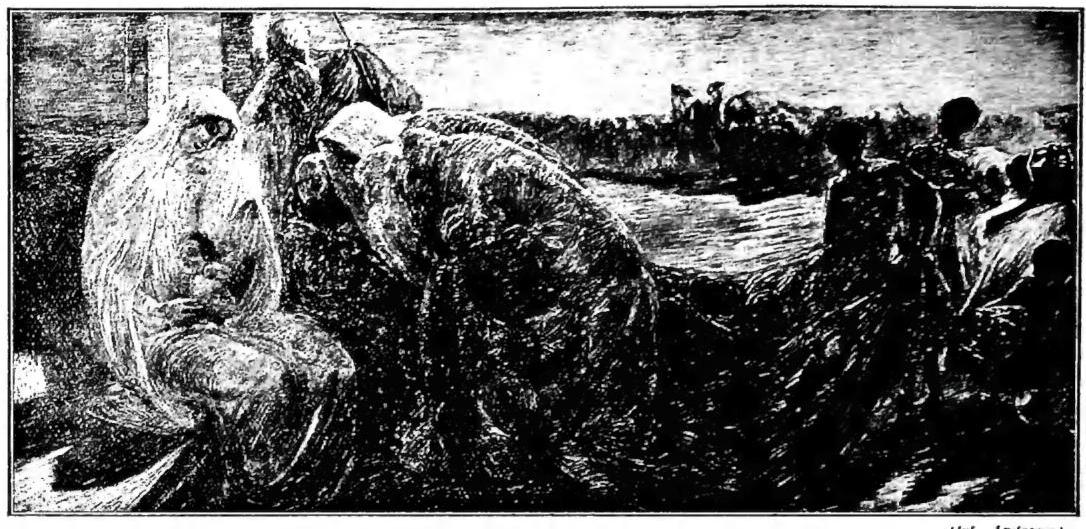
PREVIATI, GAETANO — The Adoration of the Magi — Milan, property of Banca commerciale.
and finally because p. is, even more than instinct, the fruit of culture and moral education: the less educated and coarser classes are in fact generally the least provident.
A modern social achievement is the compulsory provision for and insurance against social contingencies (old age, unemployment, illness, and accidents), with employers’ participation in the related costs. This represents a demonstration of solidarity of high moral value toward workers, who would otherwise find themselves defenseless in the face of the risks inherent in their employment; and, besides constituting a valid supplement to wages and retirement benefits, it encourages provision and saving, while preventing the social burden of incapacity for work from falling entirely upon the workers themselves who are affected by II.
In modern times, too, greater emphasis is placed on the prevention of occupational diseases and workplace accidents, through organizational, prophylactic, and technical measures aimed at maintaining a high level of labor productivity, limiting absences, and postponing disability, thereby reducing the social burden of assistance, provision, and pensions.
When p. goes beyond the care of the individual worker to concern itself with the working and welfare conditions of all individuals, enterprises, and nations, social security (v.).