
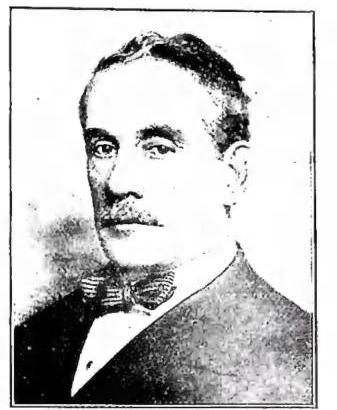
GIOVANNI GIACOMO PUGGINI. — Master composer, born in Lucca on 22 Dec. 1858, died in Brussels on 19 Nov. 1924. He came from a family of musicians from Lucca.
His great-grandfather Giacomo (1721–81) was an organist who composed sacred music and directed the chapel of the Cathedral. Other celebrated masters were his grandfather Domenico and his uncle Antonio, as well as his father Michele, all of whom wrote much sacred and secular music. G. P. began his studies in his native city, where he produced some motets that were well received. Through the generosity of Queen Margherita, he was able to attend the Milan Conservatory, where he perfected his skills under Bazzini and Ponchielli. In 1884, he made his debut with *Le Villi*, which met with happy success; *Edgar* did not please, but he soon recovered with *Manon*, followed by *La Bohème*, *Madama Butterfly*, *La Fanciulla del West*, the triptych *Suor Angelica*, *Gianni Schicchi*, and *Il Tabarro*. Death overtook him while he was working on the final pages of *Turandot*, which F. Alfano completed from the author’s notes. He also composed a Solemn Mass for four voices with orchestra, the *Hymn to Rome*, some cantatas, and two pieces for small orchestra.
Despite the criticisms levelled against him, P. remains an opera composer of limpid and melodic vein, a talented musician, and a refined harmonist.