
SICLUS (Hebrew: ōgel). - A weight and coin used in the ancient Mediterranean East. In biblical texts referring to the pre-exilic period, the s. always denotes a weight (v. TALENT). Coinage appears only in the 7th century B.C., and it is debated whether it should be attributed to the Lydians or to other peoples. Herodotus (I, 94) declares it of Lydian origin.
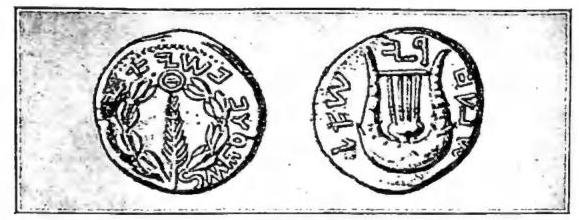
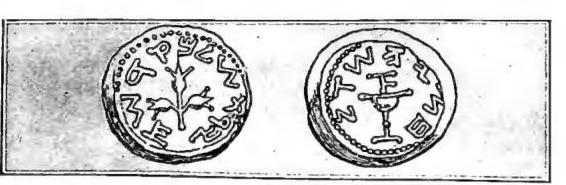
Darius Hystaspes drew upon this usage when he coined the daric of gold and the s. of silver. The gold daric was worth 20 silver s. of 5.6 gr. weight. According to Xenophon (Anabasis, I, 5, 6), the s. was equivalent to 7.50 Attic obols. Only the king could coin gold money, while permission was sometimes granted to satraps and autonomous cities to coin silver money. This explains the existence of silver coins bearing the inscription ōthūdh (Güda), perhaps dating from the 5th century B.C. Simon Maccabeus received a similar right from Antiochus VII Sidetes (1 Macc. 15, 6). However, the silver coins bearing Simon’s name date either from the time of the war against the Romans (66-70 A.D.) or from that of Simon Bar Kokhba (v.). The Hasmonean princes, the Herodian kings, and the Roman procurators minted only bronze coins.
The sacred half-shekel, which the Jews were required to pay annually as a tax for the Temple, is generally considered equivalent to an Attic didrachm (ca. 360 gold lire).