
SEBASTIANO, santo, martire. - È commemo-
rato nella Depositio martyrum il 20 genn., come se-
polto nel cimitero in catacumbas.
Alla stessa data e luogo lo ricordano il Calendario di
Cartagine, il Martirologio geronimiano, i Sacramentari gela-
siano e gregoriano (il Leoniano è mutilo in quel luogo)
e gli Itinerari. Il suo culto si diffuse rapidamente nella
Chiesa e fino all'età moderna fu molto venerato, soprat-
tutto per la protezione contro la peste (cf. B. Pesci, op. cit.
in bibl., p. 191). Anche oggi la memoria di S. è viva nella
mente dei fedeli per la sua nota di difensore della Chiesa
(la Passio dice che papa Gaio l'avrebbe costituito, tut-
tora vivente, difensore della Chiesa).
S. Ambrogio in un discorso (CSEL, 62, p. 466)
afferma che era oriundo milanese e che perì nella per-
secuzione di Diocleziano. Questa notizia cronologica
appare confermata dal luogo del suo sepolcro in cata-
cumbas che non può essere certamente più antico della
seconda metà del sec. III.
La Passio, un vero romanzo agiografico, falsamente
attribuito a s. Ambrogio, ma certo più recente, fu proba-
bilmente compilata nella prima metà del sec. V da un
monaco del monastero che papa Sisto III costruì in cata-
cumbas (Lib. Pont., I, p. 234), allo scopo di allargarne il
culto. Vi sono raggruppati intorno alla persona di S. molti
altri martiri autentici ma che niente hanno in comune
con lui e personaggi ignoti, usciti dalla fantasia dell'autore;
racconti miracoli e conversioni con lunghi e noiosi di-
scorsi: espedienti tutti cari agli agiografi del tempo per
rendere più attraente il loro racconto.
Secondo la Passio, S. sarebbe stato un ufficiale del-
l'esercito, condannato per la fede ad essere trafitto dalle
frecce dei commilitoni, e raccolto dalla matrona Lucina
che lo avrebbe seppellito « in Catacumbas in initio cryptae
iuxta vestigia Apostolorum ».
[Non-Text]
[Non-Text]
[Non-Text]
[Non-Text]
[Non-Text]
[Non-Text]
[Non-Text]
[Non-Text]
[Non-Text]
[Non-Text]
[Non-Text]
[Non-Text]
•
[Non-Text]
•
[Non-Text]
[Non-Text]
•
[Non-Text]
[Non-Text]
•
•
[Non-Text]
[Non-Text]
•
•
[Non-Text]
[Non-Text]
•
[Non-Text]
[Non-Text]
•
[Non-Text]
•
[Non-Text]
[Non-Text]
[Non-Text]
[Non-Text]
[Non-Text]
[Non-Text]
[Non-Text]
[Non-Text]
[Non-Text]
[Non-Text]
[Non-Text]
[Non-Text]
[Non-Text]
[Non-Text]
[Non-Text]
[Non-Text]
H. Delchaye, Cinq leçons sur la méthode agiographique, Bruxelles 1934, pp. 33-37; P. Styger, Römische Märtvergröfte, I, Berlino 1935, pp. 130-48; Martyr. Hieronymianum, p. 50 sg.; Martyr. Romanum, p. 29; R. Valentini-G. Zucchetti, Codice topografico della città di Roma, II, Roma 1942, p. 17; B. Pesci, Il culto di s. S. a Roma nell'antichità e nel medioevo, in Misc. hist. Oliger, ivi 1945, pp. 177-200.
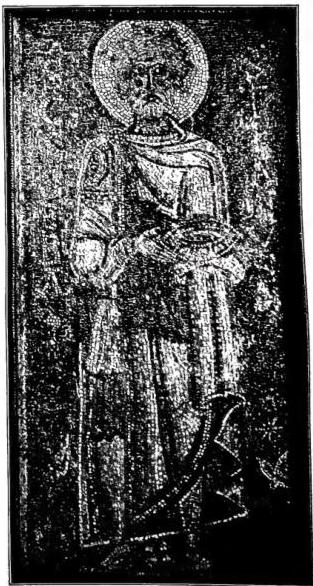
ARTE. - La vastissima iconografia di s. S. incomincia nell'arte paleocristiana, della quale ci sono pervenute sue raffigurazioni del sec. V, con scritte indicative, affrescate sia nelle catacombe di S. Callisto, sia in quelle di S. S. sulla via Appia. Notevole è il musaico del sec. VII sopra un altare laterale della chiesa di S. Pietro in Vincoli a Roma, dove S. è presentato come un anziano e barbuto guerriero romano. Le raffigurazioni di s. S. vestito da soldato e senza frecce perdurano fino al tardo medioevo: come esempi di maggiore importanza si citano l'affresco absidale del sec. XIII nella chiesa di S. Giorgio in Velabro a Roma ed una magnifica vetrata gotica del sec. XIV nella cattedrale di Strasburgo.
Nell'arte gotica italiana s. S. veniva talvolta raffigurato come un giovane grazioso vestito, che tiene una freccia nella mano; una raffigurazione tipica per questo genere si trova tra i santi del politico di Antonio Vivarini da Murano, della Pinacoteca Vaticana.
L'arte della Rinascita raffigurava s. S. di regola come un giovane svestito, trafitto da alcune frecce; tuttavia durante il Rinascimento esso veniva raffigurato in compagnia di altri santi protettori della peste, cioè di s. Rocco e s. Antonio Eremita; nondimeno la vastissima iconografia di s. S. nel Quattrocento e nel Cinquecento è certo dovuta non solo al fatto di essere egli un protettore degli appestati, ma al prestarsi la rappresentazione del suo torso giovanile ignudo a evidenti richiami classici. Fra le opere rinascimentali, dove s. S. venne eccezionalmente presentato vestito, basti notare l'affresco del 1464 di Benozzo Gozzoli nella chiesa di S. Agostino a S. Gimignano, il quale affresco rappresenta il Santo secondo lo schema iconografico della Madonna della Misericordia, che accoglie sotto il manto protettivo la gente orante. La qualità di intercessore per gli appestati fece figurare s. S. in alcune rappresentazioni della Madonna della Misericordia, dipinte su tre gonfaloni di confraternita, e provenienti dalla bottega di Benedetto Bonfigli in Umbria; la figura di s. S., perforato di frecce, si vede in questi gonfaloni al primo piano tra la gente orante sotto il manto della Vergine (Gonfalone della chiesa di Civitella Benoziana, quello della chiesa di Corciano e quello della chiesa di S. Francesco in Montone; quest'ultimo, datato 1482, viene da alcuni studiosi ritenuto opera di Bartolomeo Caporali).
Le innumerevoli raffigurazioni del s. S. lasciateci dall'arte rinascimentale possono raggrupparsi in tre principali tipi generici, e cioè: 1) le scene del martirio del Santo; 2) le raffigurazioni del solo Santo, a carattere statuario, isolato; 3) le Madonne in trono venerate dai santi, « sacre conversazioni » e altre scene sacre, nelle quali è stato raffigurato o aggiunto il Santo.
a) Al primo tipo appartengono l'affresco di Vincenzo Foppa, che si conserva ora alla Brera di Milano, l'affresco di Benozzo Gozzoli della collegiata di S. Gimignano, il pannello di Antonio e Pietro del Pollaiolo della Galleria nazionale di Londra, il pannello di Luca Signorelli della Pinacoteca di Città di Castello, il pannello attribuito a Girolamo Genga agli Uffizi e il grandioso affresco del Pinturicchio nell'Appartamento Borgia del Palazzo Vaticano. Anche diversi capolavori della contemporanea arte oltremontana, stilisticamente gotica, hanno pure presentato la scena del martirio di s. S., inquadrandola spesso in trittici e politici. Fra queste opere oltremontane sono di maggiore importanza: il trittico di Hans Memling al Louvre di Parigi; un pannello dello stesso Maestro nel Museo di Bruxelles e il trittico di Hans Holbein il Vecchio della Pinacoteca di Monaco di Baviera.
b) Il secondo tipo è così numeroso da potersi considerare un tipo a sé dell'arte italiana tra il 1450 e il 1550, e illustra in modo particolare il gusto della Rinascita per la bellezza concepita secondo le idealità dell'antichità classica e per il virtuosismo anatomico. Fra queste innumerevoli raffigurazioni di s. S. solo, appoggiato e legato ad
una colonna, oppure ad un albero, basterà citarne a titolo d'esempio alcune di altissimo valore artistico, quali il pannello di Antonello da Messina della Galleria di Dresda, quelle di Francesco Buonsignori e del Botticelli del Museo dell'Imperatore Federico a Berlino; quelle di Liberale da Verona, delle quali una pure nel Museo di Berlino e l'altra alla Brera di Milano; il pannello di Fiorenzo di Lorenzo della Pinacoteca di Perugia, uno scompartimento del politico di Piero della Francesca a Borgo S. Sepolcro, il quadro di Pietro Perugino al Louvre, quello del Sodoma della Galleria Pitti, fatto al suo inizio per servire di gonfalone; e per finire quello di Dosso Dossi della Brera. Andrea Mantegna raffigurò tre volte s. S., e cioè nell'affresco ora conservato al Louvre, nel pannello della Galleria di Vienna e nel dipinto di tragica rappresentazione nella Ca' d'Oro a Venezia. Anche la visione pittorica, realizzata nel s. S. del Tiziano, ora di proprietà dell'Eremitaggio di Leningrado, deriva da questo tipo figurativo, allo studio del quale si dedicava pure Raffaello nel suo periodo giovanile, come dimostra un suo disegno a penna, conservato nell'Accademia di Venezia. Talvolta veniva pure dipinta la mezza figura svestita del
(fot. Alinari)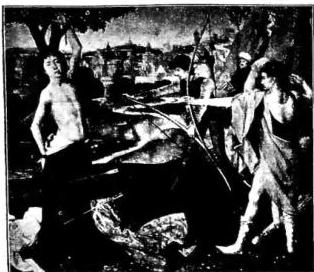
(fot. Nola)
c) Il terzo tipo delle raffigurazioni rinascimentali di s. S. è quello dove egli interviene tra i santi raggruppati intorno al trono della Madonna e nelle «sacre conversazioni»; questo tipo è anzitutto rappresentato dalle opere della pittura veneta, tra le quali le più notevoli sono: la grande pala d'altare con la Vergine in trono di Giovanni Bellini, ora conservata all'Accademia di Venezia, quella di Cima da Conegliano pure nell'Accademia di Venezia ed un'altra dello stesso alla Brera di Milano, la pala di Alvise Vivarini nel Museo dell'Imperatore Federico a Berlino, quella di Bartolomeo Montagna alla Brera di Milano e le due pale di Lorenzo Lotto a Bergamo, delle quali una nella chiesa di S. Bartolomeo e l'altra nella chiesa di Santo Spirito. Fra le Madonne adorate da santi, di maestri non veneti, sono da citare quella del Perugino agli Uffizi e quella del Correggio, detta di s. S., della Galleria di Dresda. Fra le «sacre conversazioni» nelle quali si vede s. S., si notano prima di tutto due del Tiziano: delle quali una a Venezia nella chiesa di S. Maria della Salute, dove s. Marco è stato dipinto in trono, e un'altra, detta di S. Nicola dei Frari, conservata nella Pinacoteca Vaticana; poi il pannello di Giovanni Mansueti nel quale s. S., legato ad una colonna, ha il posto centrale nel gruppo di cinque santi (Venezia, Accademia) e il pannello di Bartolomeo Montagna (Venezia, Accademia) dove il Cristo è adorato da s. S. e s. Rocco. Da ricordare pure l'idillico pannello di Giovanni Bellini degli Uffizi, chiamato Allegoria della Chiesa, dove davanti alla Madonna in tronetto vegliano silenziosamente due santi svestiti: il vecchio s. Girolamo, dal corpo consumato dalla penitenza, e il giovane s. S. di ideale bellezza, ferito da frecce. In fine: il concetto delle seguenti pitture con s. S. si allaccia da vicino a quello delle «sacre conversazioni»: la S. Famiglia del Giorgione al Louvre; le Nozze mistiche di s. Caterina del Correggio pure al Louvre; la Vergine della famiglia Casio del Boltrafio, pure al Louvre; e la Madonna tra s. Rocco e s. S. di Lorenzo Lotto, oggi nella collezione Contini Bonacossi di Firenze. Va ricordato che pure Michelangelo dipinse s. S. nel Giudizio Universale della Sistina, raffigurandolo come un
giovane nudo inginocchiate che tiene nella mano una freccia e collocandolo nel gruppo dei santi martiri.
Quali ultime opere d'arte rinascimentali con s. S. possono essere ricordate: la pala d'altare di Paolo Veronese nella chiesa del Santo a Venezia, di cui l'ampia immagine ci porta più la gloria di s. S., anziché la sua raffigurazione isolata, e la grande tela del Tintoretto della sala dei Pregadi nel Palazzo dei Dogi a Venezia, dove il Santo è raffigurato tra i patroni del doge Pietro Lando. A Paolo Veronese si deve pure la presentazione di due scene della leggenda di s. S., mai prima né dopo raffigurate da nessun'altro maestro. Queste scene, grandiosamente concepite e affrescate nella chiesa di S. S. a Venezia, rappresentano il Santo che esorta i ss. Marcello e Marcellino, e la morte del Santo sotto i colpi dei pretoriani.
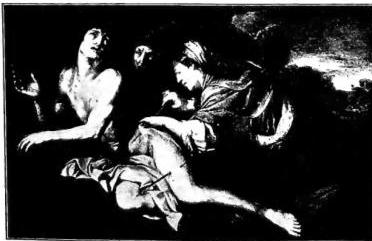
Nell'arte barocca le raffigurazioni di s. S. diventano assai meno frequenti. Spariscono le sue immagini isolate, concepite come statue. Esse vengono solo in parte sostituite sia da mezze figure, come si vedono nei quadri di Guido Reni (uno al Louvre, un altro alla Pinacoteca Capitolina a Roma), del Domenichino (Pinacoteca Capitolina), del Ribera (Madrid, Prado) e di Nicola Regnier (già attribuito al Caravaggio, Galleria di Dresda), sia dalle raffigurazioni del Santo morto e perforato di frecce, come lo mostra un quadro del Ribera di proprietà del Museo del l'imperatore Federico a Berlino e la statua in marmo che si conserva nella basilica di S. S. a Roma, opera dello scultore Antonio Giorgetti, eseguita sul disegno di Gian Lorenzo Bernini. In compenso appaiono nell'arte barocca le pitture con la scena dove s. S., svenuto dopo il suo martirio, viene curato da s. Irene e altre pie donne che gli levano le frecce dal corpo. Belle raffigurazioni di questa scena dipinsero: Eustache Le Sueur (Museo di Tours) e Gian Domenico Cerrini (Roma, Galleria Corsini); essa costituisce pure il soggetto di un quadro della scuola dei Carracci, che si conserva nel Museo di Francoforte. Nell'Ottocento detta scena è stata dipinta in un notissimo quadro di Jean-Jacques Henner, che si conserva al Museo del Lussemburgo a Parigi. A P. P. Rubens (Roma, Galleria Corsini) e ad Ant. van Dyck (un quadro nel Museo di Anversa e un altro al Louvre) si deve una diversa spiegazione della scena, dove s. S. svenuto viene curato dagli angeli. Un richiamo alle «sacre conversazioni» fece Giov. Battista Tiepolo nel suo quadro con i ss. S. e Rocco, di proprietà della parrocchiale di Noventa Vicentina. I maestri del barocco usavano pure forme figurative assai individuali per spiegare la scena del martirio di s. S., interamente diverso dallo schema rinascimentale, come si può constatare sia nella pala d'altare del Domenichino, dipinta nel 1627 per la Basilica Vaticana, ora ivi sostituita da una sua copia in musaico (l'originale in S. Maria degli Angeli a Roma),
(fot. Anderson)
[Non-Text]
[Non-Text]
[Non-Text]
[Non-Text]
[Non-Text]
[Non-Text]
The Ground Truth image displays a single, solid horizontal line. According to Rule 2 (UNDERSCORE & LINE RULES), this is a stylistic or background line, not a placeholder underscore. Therefore, the OCR result must ignore it and output nothing or only meaningful text. The provided OCR content is "____", which consists of four underscores. This is an incorrect interpretation of the line as a placeholder, violating the rule that stylistic lines must be ignored. The OCR has hallucinated underscores where none should exist based on the GT's visual context. Hence, the OCR result is inconsistent with the Ground Truth.
The Ground Truth image displays a single, solid horizontal line. According to Rule 2 (UNDERSCORE & LINE RULES), this is a stylistic or background line, not a placeholder underscore. Therefore, the OCR result must ignore it and output nothing or only meaningful text. The provided OCR content is "____", which consists of four underscores. This is an incorrect interpretation of the line as a placeholder, violating the rule that stylistic lines must be ignored. The OCR has hallucinated underscores where none should exist based on the GT's visual context. Hence, the OCR result is inconsistent with the Ground Truth.
The Ground Truth image displays a single, solid horizontal line. According to Rule 2 (UNDERSCORE & LINE RULES), this is a stylistic or background line, not a placeholder underscore. Therefore, the OCR result must ignore it and output nothing or only meaningful text. The provided OCR content is "____", which consists of four underscores. This is an incorrect interpretation of the line as a placeholder, violating the rule that stylistic lines must be ignored. The OCR has hallucinated underscores where none should exist based on the GT's visual context. Hence, the OCR result is inconsistent with the Ground Truth.
The Ground Truth image displays a single, solid horizontal line. According to Rule 2 (UNDERSCORE & LINE RULES), this is a stylistic or background line, not a placeholder underscore. Therefore, the OCR result must ignore it and output nothing or only meaningful text. The provided OCR content is "____", which consists of four underscores. This is an incorrect interpretation of the line as a placeholder, violating the rule that stylistic lines must be ignored. The OCR has hallucinated underscores where none should exist based on the GT's visual context. Hence, the OCR result is inconsistent with the Ground Truth.
The Ground Truth image displays a single, solid horizontal line. According to Rule 2 (UNDERSCORE & LINE RULES), this is a stylistic or background line, not a placeholder underscore. Therefore, the OCR result must ignore it and output nothing or only meaningful text. The provided OCR content is "____", which consists of four underscores. This is an incorrect interpretation of the line as a placeholder, violating the rule that stylistic lines must be ignored. The OCR has hallucinated underscores where none should exist based on the GT's visual context. Hence, the OCR result is inconsistent with the Ground Truth.
The Ground Truth image displays a single, solid horizontal line. According to Rule 2 (UNDERSCORE & LINE RULES), this is a stylistic or background line, not a placeholder underscore. Therefore, the OCR result must ignore it and output nothing or only meaningful text. The provided OCR content is "____", which consists of four underscores. This is an incorrect interpretation of the line as a placeholder, violating the rule that stylistic lines must be ignored. The OCR has hallucinated underscores where none should exist based on the GT's visual context. Hence, the OCR result is inconsistent with the Ground Truth.
The Ground Truth image displays a single, solid horizontal line. According to Rule 2 (UNDERSCORE & LINE RULES), this is a stylistic or background line, not a placeholder underscore. Therefore, the OCR result must ignore it and output nothing or only meaningful text. The provided OCR content is "____", which consists of four underscores. This is an incorrect interpretation of the line as a placeholder, violating the rule that stylistic lines must be ignored. The OCR has hallucinated underscores where none should exist based on the GT's visual context. Hence, the OCR result is inconsistent with the Ground Truth.
The Ground Truth image displays a single, solid horizontal line. According to Rule 2 (UNDERSCORE & LINE RULES), this is a stylistic or background line, not a placeholder underscore. Therefore, the OCR result must ignore it and output nothing or only meaningful text. The provided OCR content is "____", which consists of four underscores. This is an incorrect interpretation of the line as a placeholder, violating the rule that stylistic lines must be ignored. The OCR has hallucinated underscores where none should exist based on the GT's visual context. Hence, the OCR result is inconsistent with the Ground Truth.
The Ground Truth image displays a single, solid horizontal line. According to Rule 2 (UNDERSCORE & LINE RULES), this is a stylistic or background line, not a placeholder underscore. Therefore, the OCR result must ignore it and output nothing or only meaningful text. The provided OCR content is "____", which consists of four underscores. This is an incorrect interpretation of the line as a placeholder, violating the rule that stylistic lines must be ignored. The OCR has hallucinated underscores where none should exist based on the GT's visual context. Hence, the OCR result is inconsistent with the Ground Truth.
The Ground Truth image displays a single, solid horizontal line. According to Rule 2 (UNDERSCORE & LINE RULES), this is a stylistic or background line, not a placeholder underscore. Therefore, the OCR result must ignore it and output nothing or only meaningful text. The provided OCR content is "____", which consists of four underscores. This is an incorrect interpretation of the line as a placeholder, violating the rule that stylistic lines must be ignored. The OCR has hallucinated underscores where none should exist based on the GT's visual context. Hence, the OCR result is inconsistent with the Ground Truth.
The Ground Truth image displays a single, solid horizontal line. According to Rule 2 (UNDERSCORE & LINE RULES), this is a stylistic or background line, not a placeholder underscore. Therefore, the OCR result must ignore it and output nothing or only meaningful text. The provided OCR content is "____", which consists of four underscores. This is an incorrect interpretation of the line as a placeholder, violating the rule that stylistic lines must be ignored. The OCR has hallucinated underscores where none should exist based on the GT's visual context. Hence, the OCR result is inconsistent with the Ground Truth.
The Ground Truth image displays a single, solid horizontal line. According to Rule 2 (UNDERSCORE & LINE RULES), this is a stylistic or background line, not a placeholder underscore. Therefore, the OCR result must ignore it and output nothing or only meaningful text. The provided OCR content is "____", which consists of four underscores. This is an incorrect interpretation of the line as a placeholder, violating the rule that stylistic lines must be ignored. The OCR has hallucinated underscores where none should exist based on the GT's visual context. Hence, the OCR result is inconsistent with the Ground Truth.
The Ground Truth image displays a single, solid horizontal line. According to Rule 2 (UNDERSCORE & LINE RULES), this is a stylistic or background line, not a placeholder underscore. Therefore, the OCR result must ignore it and output nothing or only meaningful text. The provided OCR content is "____", which consists of four underscores. This is an incorrect interpretation of the line as a placeholder, violating the rule that stylistic lines must be ignored. The OCR has hallucinated underscores where none should exist based on the GT's visual context. Hence, the OCR result is inconsistent with the Ground Truth.
The Ground Truth image displays a single, solid horizontal line. According to Rule 2 (UNDERSCORE & LINE RULES), this is a stylistic or background line, not a placeholder underscore. Therefore, the OCR result must ignore it and output nothing or only meaningful text. The provided OCR content is "____", which consists of four underscores. This is an incorrect interpretation of the line as a placeholder, violating the rule that stylistic lines must be ignored. The OCR has hallucinated underscores where none should exist based on the GT's visual context. Hence, the OCR result is inconsistent with the Ground Truth.
The Ground Truth image displays a single, solid horizontal line. According to Rule 2 (UNDERSCORE & LINE RULES), this is a stylistic or background line, not a placeholder underscore. Therefore, the OCR result must ignore it and output nothing or only meaningful text. The provided OCR content is "____", which consists of four underscores. This is an incorrect interpretation of the line as a placeholder, violating the rule that stylistic lines must be ignored. The OCR has hallucinated underscores where none should exist based on the GT's visual context. Hence, the OCR result is inconsistent with the Ground Truth.
The Ground Truth image displays a single, solid horizontal line. According to Rule 2 (UNDERSCORE & LINE RULES), this is a stylistic or background line, not a placeholder underscore. Therefore, the OCR result must ignore it and output nothing or only meaningful text. The provided OCR content is "____", which consists of four underscores. This is an incorrect interpretation of the line as a placeholder, violating the rule that stylistic lines must be ignored. The OCR has hallucinated underscores where none should exist based on the GT's visual context. Hence, the OCR result is inconsistent with the Ground Truth.
The Ground Truth image displays a single, solid horizontal line. According to Rule 2 (UNDERSCORE & LINE RULES), this is a stylistic or background line, not a placeholder underscore. Therefore, the OCR result must ignore it and output nothing or only meaningful text. The provided OCR content is "____", which consists of four underscores. This is an incorrect interpretation of the line as a placeholder, violating the rule that stylistic lines must be ignored. The OCR has hallucinated underscores where none should exist based on the GT's visual context. Hence, the OCR result is inconsistent with the Ground Truth.
The Ground Truth image displays a single, solid horizontal line. According to Rule 2 (UNDERSCORE & LINE RULES), this is a stylistic or background line, not a placeholder underscore. Therefore, the OCR result must ignore it and output nothing or only meaningful text. The provided OCR content is "____", which consists of four underscores. This is an incorrect interpretation of the line as a placeholder, violating the rule that stylistic lines must be ignored. The OCR has hallucinated underscores where none should exist based on the GT's visual context. Hence, the OCR result is inconsistent with the Ground Truth.
The Ground Truth image displays a single, solid horizontal line. According to Rule 2 (UNDERSCORE & LINE RULES), this is a stylistic or background line, not a placeholder underscore. Therefore, the OCR result must ignore it and output nothing or only meaningful text. The provided OCR content is "____", which consists of four underscores. This is an incorrect interpretation of the line as a placeholder, violating the rule that stylistic lines must be ignored. The OCR has hallucinated underscores where none should exist based on the GT's visual context. Hence, the OCR result is inconsistent with the Ground Truth.
The Ground Truth image displays a single, solid horizontal line. According to Rule 2 (UNDERSCORE & LINE RULES), this is a stylistic or background line, not a placeholder underscore. Therefore, the OCR result must ignore it and output nothing or only meaningful text. The provided OCR content is "____", which consists of four underscores. This is an incorrect interpretation of the line as a placeholder, violating the rule that stylistic lines must be ignored. The OCR has hallucinated underscores where none should exist based on the GT's visual context. Hence, the OCR result is inconsistent with the Ground Truth.
The Ground Truth image displays a single, solid horizontal line. According to Rule 2 (UNDERSCORE & LINE RULES), this is a stylistic or background line, not a placeholder underscore. Therefore, the OCR result must ignore it and output nothing or only meaningful text. The provided OCR content is "____", which consists of four underscores. This is an incorrect interpretation of the line as a placeholder, violating the rule that stylistic lines must be ignored. The OCR has hallucinated underscores where none should exist based on the GT's visual context. Hence, the OCR result is inconsistent with the Ground Truth.
The Ground Truth image displays a single, solid horizontal line. According to Rule 2 (UNDERSCORE & LINE RULES), this is a stylistic or background line, not a placeholder underscore. Therefore, the OCR result must ignore it and output nothing or only meaningful text. The provided OCR content is "____", which consists of four underscores. This is an incorrect interpretation of the line as a placeholder, violating the rule that stylistic lines must be ignored. The OCR has hallucinated underscores where none should exist based on the GT's visual context. Hence, the OCR result is inconsistent with the Ground Truth.
The Ground Truth image displays a single, solid horizontal line. According to Rule 2 (UNDERSCORE & LINE RULES), this is a stylistic or background line, not a placeholder underscore. Therefore, the OCR result must ignore it and output nothing or only meaningful text. The provided OCR content is "____", which consists of four underscores. This is an incorrect interpretation of the line as a placeholder, violating the rule that stylistic lines must be ignored. The OCR has hallucinated underscores where none should exist based on the GT's visual context. Hence, the OCR result is inconsistent with the Ground Truth.
The Ground Truth image displays a single, solid horizontal line. According to Rule 2 (UNDERSCORE & LINE RULES), this is a stylistic or background line, not a placeholder underscore. Therefore, the OCR result must ignore it and output nothing or only meaningful text. The provided OCR content is "____", which consists of four underscores. This is an incorrect interpretation of the line as a placeholder, violating the rule that stylistic lines must be ignored. The OCR has hallucinated underscores where none should exist based on the GT's visual context. Hence, the OCR result is inconsistent with the Ground Truth.
The Ground Truth image displays a single, solid horizontal line. According to Rule 2 (UNDERSCORE & LINE RULES), this is a stylistic or background line, not a placeholder underscore. Therefore, the OCR result must ignore it and output nothing or only meaningful text. The provided OCR content is "____", which consists of four underscores. This is an incorrect interpretation of the line as a placeholder, violating the rule that stylistic lines must be ignored. The OCR has hallucinated underscores where none should exist based on the GT's visual context. Hence, the OCR result is inconsistent with the Ground Truth.
The Ground Truth image displays a single, solid horizontal line. According to Rule 2 (UNDERSCORE & LINE RULES), this is a stylistic or background line, not a placeholder underscore. Therefore, the OCR result must ignore it and output nothing or only meaningful text. The provided OCR content is "____", which consists of four underscores. This is an incorrect interpretation of the line as a placeholder, violating the rule that stylistic lines must be ignored. The OCR has hallucinated underscores where none should exist based on the GT's visual context. Hence, the OCR result is inconsistent with the Ground Truth.
The Ground Truth image displays a single, solid horizontal line. According to Rule 2 (UNDERSCORE & LINE RULES), this is a stylistic or background line, not a placeholder underscore. Therefore, the OCR result must ignore it and output nothing or only meaningful text. The provided OCR content is "____", which consists of four underscores. This is an incorrect interpretation of the line as a placeholder, violating the rule that stylistic lines must be ignored. The OCR has hallucinated underscores where none should exist based on the GT's visual context. Hence, the OCR result is inconsistent with the Ground Truth.
The Ground Truth image displays a single, solid horizontal line. According to Rule 2 (UNDERSCORE & LINE RULES), this is a stylistic or background line, not a placeholder underscore. Therefore, the OCR result must ignore it and output nothing or only meaningful text. The provided OCR content is "____", which consists of four underscores. This is an incorrect interpretation of the line as a placeholder, violating the rule that stylistic lines must be ignored. The OCR has hallucinated underscores where none should exist based on the GT's visual context. Hence, the OCR result is inconsistent with the Ground Truth.
The Ground Truth image displays a single, solid horizontal line. According to Rule 2 (UNDERSCORE & LINE RULES), this is a stylistic or background line, not a placeholder underscore. Therefore, the OCR result must ignore it and output nothing or only meaningful text. The provided OCR content is "____", which consists of four underscores. This is an incorrect interpretation of the line as a placeholder, violating the rule that stylistic lines must be ignored. The OCR has hallucinated underscores where none should exist based on the GT's visual context. Hence, the OCR result is inconsistent with the Ground Truth.
The Ground Truth image displays a single, solid horizontal line. According to Rule 2 (UNDERSCORE & LINE RULES), this is a stylistic or background line, not a placeholder underscore. Therefore, the OCR result must ignore it and output nothing or only meaningful text. The provided OCR content is "____", which consists of four underscores. This is an incorrect interpretation of the line as a placeholder, violating the rule that stylistic lines must be ignored. The OCR has hallucinated underscores where none should exist based on the GT's visual context. Hence, the OCR result is inconsistent with the Ground Truth.
The Ground Truth image displays a single, solid horizontal line. According to Rule 2 (UNDERSCORE & LINE RULES), this is a stylistic or background line, not a placeholder underscore. Therefore, the OCR result must ignore it and output nothing or only meaningful text. The provided OCR content is "____", which consists of four underscores. This is an incorrect interpretation of the line as a placeholder, violating the rule that stylistic lines must be ignored. The OCR has hallucinated underscores where none should exist based on the GT's visual context. Hence, the OCR result is inconsistent with the Ground Truth.
The Ground Truth image displays a single, solid horizontal line. According to Rule 2 (UNDERSCORE & LINE RULES), this is a stylistic or background line, not a placeholder underscore. Therefore, the OCR result must ignore it and output nothing or only meaningful text. The provided OCR content is "____", which consists of four underscores. This is an incorrect interpretation of the line as a placeholder, violating the rule that stylistic lines must be ignored. The OCR has hallucinated underscores where none should exist based on the GT's visual context. Hence, the OCR result is inconsistent with the Ground Truth.
The Ground Truth image displays a single, solid horizontal line. According to Rule 2 (UNDERSCORE & LINE RULES), this is a stylistic or background line, not a placeholder underscore. Therefore, the OCR result must ignore it and output nothing or only meaningful text. The provided OCR content is "____", which consists of four underscores. This is an incorrect interpretation of the line as a placeholder, violating the rule that stylistic lines must be ignored. The OCR has hallucinated underscores where none should exist based on the GT's visual context. Hence, the OCR result is inconsistent with the Ground Truth.
The Ground Truth image displays a single, solid horizontal line. According to Rule 2 (UNDERSCORE & LINE RULES), this is a stylistic or background line, not a placeholder underscore. Therefore, the OCR result must ignore it and output nothing or only meaningful text. The provided OCR content is "____", which consists of four underscores. This is an incorrect interpretation of the line as a placeholder, violating the rule that stylistic lines must be ignored. The OCR has hallucinated underscores where none should exist based on the GT's visual context. Hence, the OCR result is inconsistent with the Ground Truth.
The Ground Truth image displays a single, solid horizontal line. According to Rule 2 (UNDERSCORE & LINE RULES), this is a stylistic or background line, not a placeholder underscore. Therefore, the OCR result must ignore it and output nothing or only meaningful text. The provided OCR content is "____", which consists of four underscores. This is an incorrect interpretation of the line as a placeholder, violating the rule that stylistic lines must be ignored. The OCR has hallucinated underscores where none should exist based on the GT's visual context. Hence, the OCR result is inconsistent with the Ground Truth.
The Ground Truth image displays a single, solid horizontal line. According to Rule 2 (UNDERSCORE & LINE RULES), this is a stylistic or background line, not a placeholder underscore. Therefore, the OCR result must ignore it and output nothing or only meaningful text. The provided OCR content is "____", which consists of four underscores. This is an incorrect interpretation of the line as a placeholder, violating the rule that stylistic lines must be ignored. The OCR has hallucinated underscores where none should exist based on the GT's visual context. Hence, the OCR result is inconsistent with the Ground Truth.
The Ground Truth image displays a single, solid horizontal line. According to Rule 2 (UNDERSCORE & LINE RULES), this is a stylistic or background line, not a placeholder underscore. Therefore, the OCR result must ignore it and output nothing or only meaningful text. The provided OCR content is "____", which consists of four underscores. This is an incorrect interpretation of the line as a placeholder, violating the rule that stylistic lines must be ignored. The OCR has hallucinated underscores where none should exist based on the GT's visual context. Hence, the OCR result is inconsistent with the Ground Truth.
The Ground Truth image displays a single, solid horizontal line. According to Rule 2 (UNDERSCORE & LINE RULES), this is a stylistic or background line, not a placeholder underscore. Therefore, the OCR result must ignore it and output nothing or only meaningful text. The provided OCR content is "____", which consists of four underscores. This is an incorrect interpretation of the line as a placeholder, violating the rule that stylistic lines must be ignored. The OCR has hallucinated underscores where none should exist based on the GT's visual context. Hence, the OCR result is inconsistent with the Ground Truth.
The Ground Truth image displays a single, solid horizontal line. According to Rule 2 (UNDERSCORE & LINE RULES), this is a stylistic or background line, not a placeholder underscore. Therefore, the OCR result must ignore it and output nothing or only meaningful text. The provided OCR content is "____", which consists of four underscores. This is an incorrect interpretation of the line as a placeholder, violating the rule that stylistic lines must be ignored. The OCR has hallucinated underscores where none should exist based on the GT's visual context. Hence, the OCR result is inconsistent with the Ground Truth.
The Ground Truth image displays a single, solid horizontal line. According to Rule 2 (UNDERSCORE & LINE RULES), this is a stylistic or background line, not a placeholder underscore. Therefore, the OCR result must ignore it and output nothing or only meaningful text. The provided OCR content is "____", which consists of four underscores. This is an incorrect interpretation of the line as a placeholder, violating the rule that stylistic lines must be ignored. The OCR has hallucinated underscores where none should exist based on the GT's visual context. Hence, the OCR result is inconsistent with the Ground Truth.
The Ground Truth image displays a single, solid horizontal line. According to Rule 2 (UNDERSCORE & LINE RULES), this is a stylistic or background line, not a placeholder underscore. Therefore, the OCR result must ignore it and output nothing or only meaningful text. The provided OCR content is "____", which consists of four underscores. This is an incorrect interpretation of the line as a placeholder, violating the rule that stylistic lines must be ignored. The OCR has hallucinated underscores where none should exist based on the GT's visual context. Hence, the OCR result is inconsistent with the Ground Truth.
The Ground Truth image displays a single, solid horizontal line. According to Rule 2 (UNDERSCORE & LINE RULES), this is a stylistic or background line, not a placeholder underscore. Therefore, the OCR result must ignore it and output nothing or only meaningful text. The provided OCR content is "____", which consists of four underscores. This is an incorrect interpretation of the line as a placeholder, violating the rule that stylistic lines must be ignored. The OCR has hallucinated underscores where none should exist based on the GT's visual context. Hence, the OCR result is inconsistent with the Ground Truth.
The Ground Truth image displays a single, solid horizontal line. According to Rule 2 (UNDERSCORE & LINE RULES), this is a stylistic or background line, not a placeholder underscore. Therefore, the OCR result must ignore it and output nothing or only meaningful text. The provided OCR content is "____", which consists of four underscores. This is an incorrect interpretation of the line as a placeholder, violating the rule that stylistic lines must be ignored. The OCR has hallucinated underscores where none should exist based on the GT's visual context. Hence, the OCR result is inconsistent with the Ground Truth.
sia in una spaziosa incisione del disegnatore francese Jacques Callot, dove la scena si svolge sul fondo del Colosso e dell'Arco di Costantino. - Vedi tav. XII.