
MORTO, — This was the name given to a sacred representation that recounted the Passion and Death of Christ. Adapting to the tastes of the time and the various environments, the *m.* sometimes assumed truly remarkable literary and spectacular aspects. The *Riscatto di Adamo* by the Palermitan Filippo Orioles (d. at 106 years of age in 1793) enjoyed particular success; it was reprinted several times under the sole title *M. di Cristo*. In Acireale (Sicily), the action took place on a long stage and had as its setting the main square of the town: the spec-
---
MORTORIO — MOSCOW
I. GEOGRAPHY.
Before 1147, M. was not even mentioned in Russian chronicles; in 1325, Metropolitan Peter established his residence at Vladimir on the Klyazma at M.; it then became the capital of the Russian state in the 17th century, until (1712) it was supplanted by St. Petersburg. The Kremlin represents the center of the city; around it, M. has gradually expanded into five concentric zones, according to the characteristic type that best suited the military needs of the time. Today the city is the starting point for more than ten major railway lines. The quantitative element (the streets and squares are of uncommon vastness) does not correspond to the qualitative element. Palaces, theaters, museums, and villas rise among cathedrals. The center of the city is the famous Red Square, closed on the south side by the church of St. Basil and flanked on the west side by the Kremlin; this comprises numerous palaces, churches, and monasteries, now used for the high offices of the State and the Party. M., which had about 150,000 inhabitants around the middle of the 18th century, had about 380,000 in 1861; immediately afterward it grew due to the influx of peasants who took up the most varied trades. In the census of 1897, out of 1,035,000 inhabitants, 63% of the population was immigrant. The number fluctuated around this figure even during the years of the war and the Revolution, rising to 1,949,000 in 1915, falling to 1,028,000 in 1920, and then rising to 2,740,000 in 1931. Such an agglomeration can only be explained by the progress of communications, commerce, and industry.
II. ECCLESIASTICAL HISTORY.
OUTLINE:
I. Autocephalous Metropolis (1448-1589)
II. Patriarchate (1589-1721)
III. Holy Synod (1721-1917)
IV. Patriarchate Restored (from 1917).I. AUTOCEPHALOUS METROPOLIS (1448-1589)
The western dioceses, Kiev (v.), found themselves during the 13th-14th centuries within the Polish-Lithuanian state, which caused their removal from the jurisdiction of the Metropolitan of Kiev and All Russia. Resident at M. at the time, the division—which had already sporadically occurred—became definitive when in Poland the jurisdiction of the united Metropolitan of Kiev, Gregory, appointed in 1458 by Pope Callixtus III, was recognized. From then on, each of the two parts followed its own historical evolution.Metropolitan Jonah (1448-61), while retaining the traditional title, also claimed governance of the entire ancient metropolis; but his successor Theodosius (1461-65) styled himself only Metropolitan of M. and All Russia, a title corresponding to the actual extent of his jurisdiction. Metropolitan Jonah, and then all his successors, were elected and installed without seeking, as had been done until then, at least the ratification of the Patriarch of Constantinople. Thus began the independence or autocephaly of the Metropolis of M. Among the following metropolitans, notable figures were Daniel (1522-39), a writer and polemicist; Macarius (1542-63), a writer, organizer, and promoter of religious culture; Philip (d. 1569), who paid with his life for his courageous condemnation of the cruelty of Ivan the Terrible.
In the metropolis, supreme legislative and judicial power belonged to the council, which also elected and deposed the metropolitan. The bishops—all of whom were obligatorily monks—were appointed by the metropolitan and had full administrative and judicial authority in their own dioceses, including over monasteries, except for some exempt ones (stauropegial). The dioceses numbered 10 in 1448 and 13 at the end of the period. The clergy, decimated during the Tatar invasions, rapidly increased in number. The secular clergy, composed of priests, deacons, and minor clerics, could marry, but only once and before major Orders. The Council of 1503 imposed on all married priests and deacons either to become monks or to renounce the exercise of sacred functions to prevent possible scandal of incontinence. This unjust decree effectively prevented the existence of a secular clergy even for those voluntarily celibate. As for canon law, essentially the Byzantine law collected in the *Kormčaja Kniga* (Pilot Book) was in force, which contained the Nomocanon with commentaries; it was supplemented by the laws of local councils and the statutes of the grand princes. The most important of the councils is that of 1551 (known as the *Stoglav* because of the division of its decrees into 100 chapters), which reorganized all ecclesiastical life (education, liturgy, religious art, administration, discipline of clergy and laity). Ecclesiastical courts judged all matters of religion, and the clergy and laity dependent on the Church (peasants, employees) even in civil cases, except capital ones. Disputes between ecclesiastics and laity fell under mixed tribunals. Ecclesiastical property consisted mainly of landed estates exempt from many state taxes. Some famous bishops and monasteries owned tens of thousands of hectares. The metropolitan and bishops also received a special tribute from monasteries and churches, as well as numerous administrative and penal taxes. Even the urban clergy was quite well-off, while the rural clergy was rather poor and sometimes lived by their own agricultural or artisan labor.
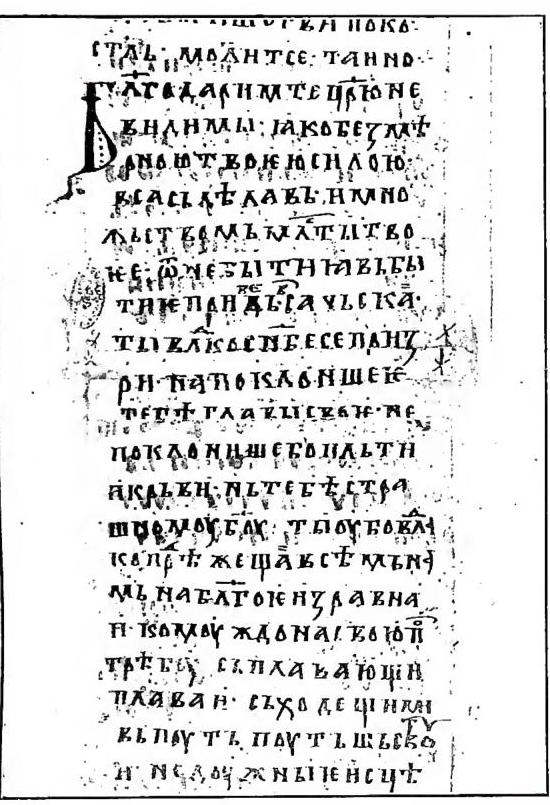
Collaboration between the State and the Church was very close. The State assumed the defense of the Church against internal and external enemies. But the Grand Prince often decisively influenced the appointment or deposition of metropolitans and bishops. In turn, the metropolitan supported the grand princes of M., aiming to unite the Russian principalities into one state, seeing in this the best guarantee of the unity of his own metropolis. His moral prestige was unparalleled. All important documents of the princes—decrees, pacts, peace treaties, wills, etc.—were issued “with the blessing of our father the metropolitan.” The clergy maintained the national spirit during the Tatar domination and then encouraged the grand princes in the struggles for liberation (Dmitri Donskoi, Ivan III). The Church promoted spiritual and material culture, assisted the socially weak, maintained charitable institutions, and redeemed prisoners.
Attitudes toward the Holy See became definitively hostile. The continuous anti-Latin propaganda conducted by the Greeks and the military conflicts with neighboring Catholic powers—the Teutonic Order and Poland on the Baltic—created in Russia a deep aversion toward Latin Christendom. This was notably manifested in the deposition of Metropolitan Isidore (1441) for having united with Rome at the Council of Florence. Neither the marriage of Ivan III to Zoe-Sofia Paleologina in 1472 nor the papal legations to Basil III and Ivan IV succeeded in altering this hostile attitude, which was continually revived by Greek ecclesiastics.
This aversion to Rome and the close collaboration between the Church and the State found its characteristic expression in the theory of the "M.-third Rome," formulated in the 16th century by the monk Philotheus of Pskov. According to him, the ancient Rome fell because of the heresy of the popes, the second, Constantinople, because of its union with the pope at the Council of Florence. The ancient free "Orthodox" empire that remained was that of M.-third Rome, guardian of the purity of the Christian faith until the end of the world.
The expansion of the Church, hindered by the Tatar invasions, resumed, and in the 14th–15th centuries Christianity penetrated among the Tatars themselves; some of these converts became progenitors of notable Russian families: Anichkov, Godunov, Stroganov, etc. The systematic Christianization of the Tatars began after the conquest of their khanates of Kazan (1556) and Astrakhan (1563). In the apostolate, the first bishop of Kazan, Guriy (d. 1563), and his collaborators Barsonofius and German distinguished themselves; they were well-versed in the Tatar language. The monasteries of Valaam on Lake Ladoga and Murmansk on the Omega were centers of missionary activity in Karelia. In the far north, the faith was spread by the monks of the Solovetsky Monastery on the islands of the same name in the White Sea, and other missionaries established themselves at the mouth of the Kola (Theodoret, d. 1577) and near Cape North (Tryphon of Pechenga, d. 1583). To the northeast, the conversion of the Zyryans—begun by St. Stephen of Perm (d. 1396)—continued, and preaching extended further east along the Vyatka and Kama rivers (Tryphon of Vyatka, d. 1612). With the Russian penetration into Siberia in 1582, Russian missionaries crossed the Urals.
The government everywhere favored the missionaries and the converts, sometimes suppressing with force the hostility of the infidels, but generally the ecclesiastical and civil authorities recommended to the missionaries peaceful means: instruction and charity. The language of the indigenous people was used not only in preaching but sometimes even in the liturgy. Instruction was provided by ecclesiastics to a greater or lesser extent, but despite the efforts of the councils, systematically organized schools were not established, not even for the training of the clergy. The cultural level of the secular clergy, especially the rural clergy, was very low. The libraries of monasteries, bishops, and princes were sometimes quite rich, and the type of "načetčik," i.e., self-taught scholar, developed. Literature consisted mainly of translations from Greek into Church Slavonic. Gennady, Archbishop of Novgorod (d. 1504), collected the books already translated in the Old and New Testaments and procured new translations of the missing ones. Original literature was rather of a practical nature: chronicles, liturgy, sacred discourses and pious instructions, hagiography, and descriptions of pilgrimages to the Holy Land. The most eminent writers of the period were Joseph of Volokolamsk (d. 1515), Nil Sorsky (d. 1508), the metropolitans Daniel and Macarius, Pachomius the Serb (d. late 15th c.), Zinovy of Otensk (d. 1568), Maximus the Greek (d. 1556), and the protopope Sylvester (d. 1566). "Sborniki," i.e., miscellanies of articles by various authors and on various topics, were widely circulated. In general, literature was of a compilatory nature with little critical examination of sources. Hence, apocryphal literature, condemned and combated by ecclesiastical authority, spread widely.
Around 1474, a heretical movement known as the "Judaizers" appeared in Novgorod; it was a mixture of Judaism, humanistic rationalism, and astrology. The heretics denied the principal Christian dogmas and indulged in repulsive profanations of sacred places and objects. They gained some adherents in Moscow even among laity and ecclesiastics: even the metropolitan Zosimus (1490–94) was suspected of heresy. Gennady, Archbishop of Novgorod, and Joseph, abbot of the Volokolamsk Monastery, energetically combated the doctrines of the Judaizers and obtained the conciliar condemnation of the heresy and the punishment of the principal heretics. These measures led to the liquidation—at least externally and officially—of the Judaizers. However, their ideas, with the addition of Protestant elements, lived on in the doctrines of Matvei Bashkin and the more radical Theodosius Kosoy, condemned by the Council of Moscow in 1553–54. As for Protestantism, the practice of worship by foreign Protestants was tolerated in Russia at the time, but no propaganda was permitted. Apostasy from the official Church was a crime punishable even by the State.
Cult was celebrated with increasing splendor, and the number of new churches, richly decorated and furnished, exceeded necessity. In sacred art, the Byzantine tradition was followed, and statues were not permitted in churches. Favorite destinations for pilgrimages were shrines where icons of the Madonna were venerated (Vladimir, Kursk, Tikhvin, Kazan, etc.) or relics, especially incorrupt ones, of saints. The Council of 1547 canonized 21 saints, and that of 1549, 20. In liturgy, there was great variety despite the efforts of the councils to unify liturgical practice. Even the printing of liturgical books (from 1564) did not provide an effective remedy, due to the lack of corrected manuscripts and attachment to customary texts and ceremonies.
Insufficient religious instruction led to an exaggeration of the importance of external worship and fostered superstitious practices. The almost continuous wars made manners rough, and the growing prosperity of the upper classes gave occasion for idleness and lust, faults harshly—and sometimes exaggeratedly—chastised by preachers and moralists. Despite this, there were no lack of illustrious examples of Christian piety and virtue among ecclesiastics and laity. The ideal of Christian perfection remained monastic asceticism. In the "Domostroi" of the protopope Sylvester—a moral-ascetic manual for the pious layman—the Christian family became a kind of secularized monastery. Among the laity, it was common practice to make, at least on one's deathbed, a religious profession. Hence, numerous monasteries were founded: between 1450 and 1489, 300 new ones arose. Monks led both an eremitic life—solitary or in small groups ("sketes")—and the cenobitic life in communities governed by a superior according to a precise rule. The rules of ancient holy monks (Basil, Ephrem, John Climacus, Theodore the Studite) were followed, compiled by Russian ascetics (Joseph of Volokolamsk, Nil Sorsky). The most active center for the renewal of monastic life was the Trinity Monastery founded by St. Sergius of Radonezh (d. 1429) not far from Moscow.
The hermits led by Nil Sorskij condemned the landed properties of monasteries as an obstacle to the perfection of religious poverty. In contrast, Iosif Volokolamskij, the representative of severe cenobitism, with his followers maintained the usefulness of such properties as the basis for the cultural and social activity of cenobitic monasteries, in which perfect individual poverty was guaranteed by the strict observance of common life. The Council of 1503 ruled in favor of the legitimacy of monastic possessions, leaving freedom to follow either ascetic approach. Despite the defects that had infiltrated some communities—despotism of superiors, worldly spirit, disobedience, and wandering of monks—the monasteries were generally true centers of religious and cultural life. They provided the Russian Church with many excellent bishops, writers, and ascetics, some of whom were later raised to the honor of the altars: in addition to the already mentioned Iosif Volokolamskij and Nil Sorskij, Zosima of Solovki (d. 1478), Paphnutius of Borovsk (d. 1478), German of Solovki (d. 1484), Alexander of Svir (d. 1533), Cornelius of Komel (d. 1537), Anthony of Sijsk (d. 1556), and Nicon of Pskov (d. 1581). Special forms of asceticism also appeared, such as recluses (Arsenius of Novgorod, d. 1570), stylites (Sava of Vyshera, d. 1461), and the *iurodivye* (fools for Christ’s sake): Michael Klopskij (d. 1452) and Simon of Yurevets (d. 1584).
This period, rich in strong personalities, had a dynamic character of spiritual reconstruction aimed at repairing the damage caused by the invasion and domination of the Tartars. The metropolitanate of Moscow, having become autocephalous, strove to achieve autonomy in its religious and cultural life and began to offer assistance to other Eastern churches oppressed by the Turks. Unfortunately, at the same time it became sharply separated from the Latin West. This isolation preserved it from the storm of the Protestant Reformation, but it also deprived it of fruitful contacts with the life of the Catholic Church.
The Patriarchate (1589–1721) — On 26 January 1589, the patriarch of Constantinople, Jeremiah II, during a visit to Moscow, elevated the metropolitan Job (1586–1605) to the dignity of “Patriarch of Moscow and All Russia.” Four bishops (of Novgorod, Rostov, Kazan, and Krutitsy) also received the title of metropolitan, though without any special jurisdiction. This elevation, ratified by the patriarchal synods held in Constantinople in 1590 and 1593, increased the prestige rather than the actual rights of the supreme head of the Russian Church, who had already been fully independent of the patriarchate of Constantinople since 1448.
In the 17th century, within the patriarchal curia, following the example of state administration, special offices (*prikazy*) were progressively organized: judicial, treasury, palatial, and ecclesiastical discipline. Similar *prikazy* were also established in episcopal curiae, generally two: treasury and ecclesiastical discipline. The dioceses remained too large; toward the end of the period, there were only 23. Councils met frequently. The greatest, in 1666–67, revising the positions of the *Stoglav* (1551), issued new decrees regarding the composition of ecclesiastical tribunals, the moral formation and instruction of candidates for the priesthood, the discipline of the clergy (clothing, trade and unsuitable professions, worldly entertainments, wandering clerics), and again permitted widowed priests and deacons to continue their sacred ministry. However, no progress was made toward the establishment of seminaries, leaving the education of their sons to the clergy themselves, from whom the secular clergy were almost exclusively recruited.
The code of Tsar Alexis (*Ulozhenie*, 1649) entrusted all civil cases of ecclesiastics and their peasants to a special *Monastyrskij prikaz*. This aroused great discontent, and, condemned by the Council of 1666–67, the *Monastyrskij prikaz* was abolished in 1675.
In other respects, the economic and social position of the clergy remained largely that of the previous period. The state sought to limit the growth of ecclesiastical landed properties and their exemption from public burdens. State and Church practically interpenetrated. The tsar retained decisive influence over the selection of the patriarch, but the patriarchal dignity became almost sovereign in the eyes of the people. During the Time of Troubles that followed the extinction of the ruling house of the Rurikids (1598), the patriarchs Job and Hermogenes (1606–1612) strongly supported the authority of the legitimate tsars (Boris Godunov, 1598–1605, and Basil Shuisky, 1606–1610). Bishops and monasteries provided both material and moral support to the national movement, which under the leadership of Kuzma Minin and Prince Pozharsky led to the liberation of Moscow from the Poles (1612) and the restoration of legality with the election of the new Tsar Michael Romanov (1613). The new patriarch Philaret (1612–13), father of Tsar Michael (forced by Tsar Boris Godunov to become a monk in 1601), bore the title of “Grand Sovereign” like the tsar, and his word was decisive even in matters of state. His successors Iosaf (1634–40) and Joseph (1642–53) were more modest and compliant toward the tsars. The prestige of the patriarch reached its apex in the time of Nikon (1652–66), who resumed the title of “Grand Sovereign” and asserted the superiority of the patriarchal dignity over that of the tsar. The open conflict broke out in 1658 and dragged on until the Council of 1666–67, which, with the participation of Eastern patriarchs, condemned, deposed, and degraded Nikon. However, this latent conflict between the authority of the tsar and the patriarch, dormant under Nikon’s successor, Ioasaph II (1667–72), revived under Joachim (1674–90) and especially under Adrian (1690–1700), who opposed the reforms of Peter the Great. Therefore, after Adrian’s death, Peter did not permit the election of a new patriarch but appointed only a patriarchal vicar (Stefan Yavorsky), who governed the patriarchate until its suppression in 1721.
As for relations with Rome, the patriarchal period meant a hardening of anti-Roman attitudes. The intervention of Catholic Poland on behalf of the False Dmitry, later transformed into military occupation of Moscow, gave the subsequent struggle for liberation the character of a defense of Russian “orthodoxy” against the Latin West.
Missionary activity among the Tartars of Kazan was weak, but more active among the Mordvins in the regions of Tambov and Ryazan, especially through the archbishop Misael, who died a victim of pagan fanaticism in 1654. In Siberia, the establishment of the diocese of Tobolsk (1620) and the foundation of monasteries intensified missionary activity, which in the second half of the 18th century penetrated into southern Siberia and beyond Lake Baikal. In 1680, Poland definitively ceded to Russia the city of Kiev with the lands on the left bank of the Dnieper, and in 1687 the patriarch of Constantinople consented to the incorporation of the metropolitanate of Kiev into the patriarchate of Moscow.
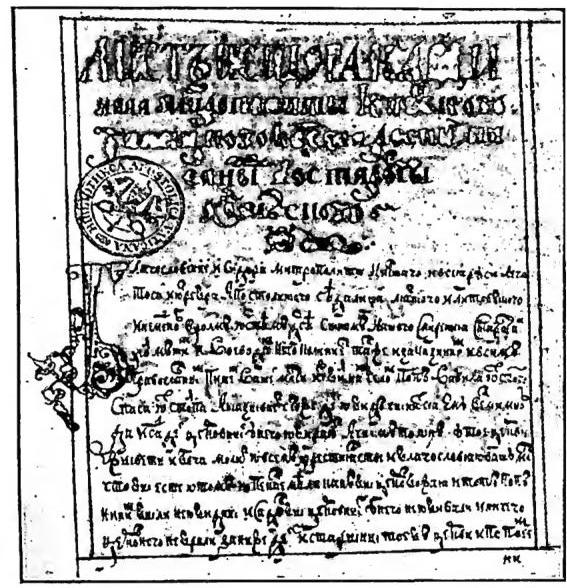
The progress of instruction was hindered by the lack of well-trained teachers. Therefore, in 1649, the boyar Feodor Rtishchev, with the consent of the Tsar and the Patriarch, summoned to Moscow 30 monks trained at the Kiev Academy to translate books and teach those eager to learn Greek, Latin, rhetoric, and philosophy. Among these was Epifanius Slavinetsky (d. 1675). While Slavinetsky still represented the Greco-Slavic culture, Simeon Polotsky, who arrived in 1664, already embodied the Latin-scholastic tendency fostered at the Kiev Academy by Metropolitan Peter Mogila, and in several points—especially regarding the moment of transubstantiation—he upheld the doctrine of Catholic theologians. In the struggle between the two tendencies, the Greco-Slavic one prevailed, supported by Patriarch Joachim, the monk Euthymius (1705), and the theological academy of Moscow directed by two Greeks, the brothers Ioannicius (d. 1717) and Sophronius (d. 1730) Lichudes. In 1690, a council condemned the teachings of Simeon Polotsky (d. 1680) and degraded his disciple Sylvester Medvedev (later executed in 1691). However, shortly afterward, due to intrigues, the Lichudes brothers were also removed from the Moscow Academy, which then rapidly declined for lack of suitable professors. In 1627, the catechism of Laurence Zizanius was published, and in 1696, the *Orthodox Confession* of Peter Mogila appeared; translations of polemical Greek works against Western Protestant and Catholic doctrines were also published.
The work of correcting and unifying liturgical books, begun by Patriarch Philaret and continued by Patriarch Joseph II, was completed by Patriarch Nikon. He revised the texts and liturgical practices of Russia according to the liturgical books then in use among the Greeks, suppressing particular Russian customs consecrated by long-standing tradition. This aroused growing opposition from conservatives. The council of 1666–67 definitively approved Nikon’s liturgical reform and condemned all opponents. These, however, under the leadership of Archpriest Avvakum, refused to submit, positioning themselves as defenders of the “ancient faith,” thus initiating the movement known as the *starovery* or “Old Believers.” They remained in opposition despite the council’s anathemas and the government’s often harsh repression. Dividing into numerous sects, the Old Believers henceforth constituted the most serious problem in the internal life of the Russian Church (v. RASKOL).
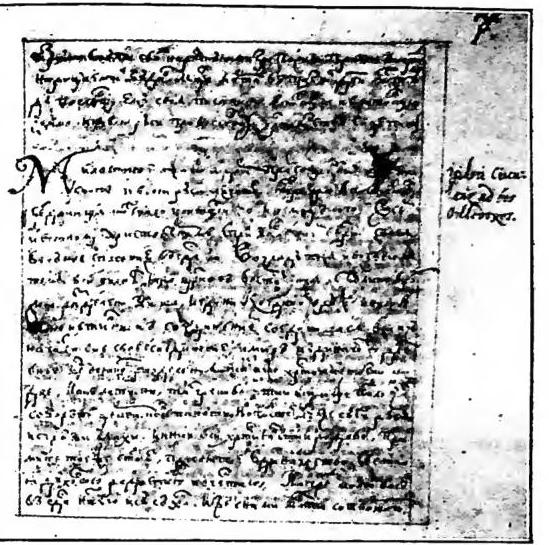
Yet the official Church remained deeply attached to traditional forms of religious and civil life. For many, religious life consisted chiefly in rigid observance of ceremonies and external austerities. Despite its jealous isolation from abroad, “worldly” customs and amusements penetrated Russia from the West, even into the court of the “most pious tsar.” Yet there were also manifestations of sincere Christian faith. Works of mercy, especially almsgiving and visits to prisoners, were widely practiced. The council of 1682 issued special norms for organizing ecclesiastical charity.
Ascetic-monastic life was still regarded as the highest form of Christian perfection. In the 17th century, 220 new monasteries were founded. The council of 1666–67 issued stricter rules for receiving novices, forbade admitting anyone to religious profession without sufficient probation, and condemned extravagant forms of ascetic practice. Among the monks of this period—several of whom were later canonized—were distinguished: Basil of Mangazeia (d. 1660), Joseph of Vologda (d. 1612), Irenarchus of Rostov (d. 1616), Adrian of Mozhaisk (d. 1619), Irenarchus of Solovki (d. 1628), Denis of the Trinity (d. 1633), Eleazar of Azersk (d. 1656), Macarius of Konev (d. 1678). Besides monks living in community, hermits and the *iurodivye* (Fool-for-Christ) also appeared (Prokopius of Vyatka, d. 1627).
This period is less eventful than the preceding one. The life of the Church tends to become somewhat ossified in its traditional forms. “Orthodoxy” is regarded as a characteristic element of Russian nationality, though few could precisely indicate wherein it consists, and so it is easily equated with external ritual forms. Efforts were made to organize systematic religious instruction. Yet even in this period, instruction—especially of the secular clergy and the mass of the faithful—remained the weakest point in Russian ecclesiastical life.
III. THE HOLY SYNOD (1721–1917)
During the vacancy of the patriarchal throne, Peter the Great matured in his mind a radical reform of the structure of the Russian Church. In his youth, Peter had not received the traditional, essentially ecclesiastical education that inculcated a distrustful isolation from all foreigners, deemed heretics. Indeed, exiled to the village of Preobrazhenskoe, he had grown accustomed to familiarity with Protestants in the German suburb of Moscow. Once he became tsar, he chose among foreigners—even Protestants—his closest collaborators. The Protestant-inclined Theophan Prokopovich (d. 1736), despite opposition from the patriarchal vicar Stephen Yavorsky, was appointed by Peter as bishop of Pskov (in 1718) and became the tsar’s chief collaborator in the ecclesiastical reform codified in the *Spiritual Regulation* (d. 1744). On 14 February 1721, in place of the suppressed patriarchate, the Most Holy Synod was instituted—a college of bishops and priests appointed by the tsar, all with equal vote. From that moment, the Most Holy Synod, recognized in 1723 by the Eastern patriarchs, exercised supreme legislative, administrative, and judicial authority over the Russian Church. The Synod was directly subordinate to the tsar, who in the final instance ratified its decisions and supervised its activity through the lay Ober-Procurator of the Synod. This structure of the Synod underwent no essential changes. By 1885, it consisted solely of bishops—generally seven—and included: a synodal chancery, a committee for religious instruction, a council for ecclesiastical schools, an economic section, an audit office, a directorate of synodal printing houses, and two delegated offices (in Moscow, for administering the former patriarchal diocese, and in Tiflis for the Georgian Church, which had been under the Synod’s jurisdiction since 1783). The Ober-Procurator had his own chancery, organized like those of other ministers.The traditional diocesan structure was preserved. New bishops were chosen by the tsar, to whom the Holy Synod presented three candidates. Transfers of bishops, modeled on state officials, became extremely frequent, seriously hindering their pastoral work. Directly dependent on the Holy Synod were the court clergy, headed by the tsar’s confessor, the Chief Protopriest of military chaplains, and some monasteries. Ecclesiastical property, administered by the Holy Synod, remained juridically the property of the Church until 1764, when Catherine II confiscated it all, compensating the owners with an annual pension that amounted to only a small fraction of the revenues from the confiscated estates. Arseny Matseyevich (d. 1772), Metropolitan of Rostov, protested but was deposed and imprisoned. The economic situation of the lower clergy, especially the rural clergy, worsened, and in 1862–1865 a special mixed commission studied this problem. However, no measures were taken to secure for the rural clergy an economic and social position commensurate with their dignity and mission.
The establishment of the Holy Synod ensured the tsar’s complete dominance over the Church. The “Spiritual Regulation” justified the suppression of the patriarchate on the grounds that the common people tended to regard the patriarch as equal to, or even superior to, the tsar, and in case of conflict between them would be inclined to follow the patriarch, convinced that they were thereby doing God’s will. Instead, the new Regulation subjected the Church—economically and administratively—to the State, and an energetic Ober-Procurator, by skillfully exploiting bureaucratic legislation, could become the unchallenged master of the Holy Synod, even defying the opposition of the expositus (e.g., N. Protasov [1838–55], K. Pobedonostsev [1880–1905]). It was no longer a matter of the close collaboration between Church and State in the Byzantine sense, but of the simple subordination of the Church to the State in the spirit of enlightened absolutism and later of Josephinism, which had penetrated Russia from the West. Such subordination could only strengthen the hostile attitude toward Rome. Evidence of this is the close collaboration between ecclesiastical and state authorities in forcing the Eastern-rite Catholics within the Russian Empire—those who had come under Russian rule after the partitions of Poland—into submission to the Holy Synod (in 1839 and 1875). The freedom of Latin-rite Catholics was also restricted, despite a kind of concordat concluded in 1847 between Tsar Nicholas I and the Holy See. Transition from the official Church to other confessions was forbidden and punished until the Edict of Toleration of 1905, which permitted it with regard to Protestantism and the Catholic Church. In practice, however, it did not recognize Eastern-rite Catholics. Despite this, a unionist current began to take hold among the faithful of the Russian Church (Vladimir Soloviev, d. 1900), and small groups of Eastern-rite Catholics began to form (in St. Petersburg, Moscow, and White Russia).
The revolutionary-reformist movement of 1905 also raised the question of reorganizing the ecclesiastical administration of the Russian Church through a council, which had not been convened since the establishment of the Holy Synod. A pre-conciliar commission was set up, but the actual convocation took place only in 1917. Missionary activity continued to develop, though sometimes hindered by the dominant political-ideological trend in government circles (Voltairianism under Catherine II, pseudo-mysticism under Alexander I). Missions among the Tatars received new impetus from the establishment of the missionary section at the Theological Academy of Kazan (in 1854) and the foundation of the Confraternity of St. Gurii (in 1867), which provided material assistance and translations of books into Tatar. In the southeastern steppes, the Christianization of the Kalmyks intensified from 1725 onward, and for the converts the city of Stavropol was founded (in 1738). Between 1821 and 1830, nearly all the Samoyeds (about 30,000) in the Arkhangelsk region were converted.
In Siberia, Christianization progressed with the establishment of new dioceses: Irkutsk in 1707, Kamchatka in 1743, Yakutsk in 1869, and the diocese of the Aleutians in 1870, with its see in San Francisco, encompassing the Aleutian Islands, Alaska, and the faithful residing in America. In addition to the missionary work of ordinary parishes, special missions were established in indigenous centers, most of them nomadic. For example, in 1897 the Altai mission had 70 missionaries, 56 catechists, 13 stations, 45 churches and chapels, and 30,000 Christians; that of Irkutsk had 20 stations, 64 missionaries, 17 schools, and about 35,000 Christians; and that of Transbaikal had 23 stations, 20 missionaries, 29 schools, and about 30,000 Christians. The mission in China (Beijing) was more a center of Sinological studies than of active missionary work. In contrast, the mission in Japan, begun in 1861 by the priest (later bishop) Nikolai Kasatkin, already counted in 1897 some 225 communities with 23,800 Christians, 1 bishop, 35 priests (30 indigenous), 16 teachers, and 156 catechists. In the Caucasus, the Ossetes were almost entirely converted (60,000 faithful in 67 parishes in 1823), and between 1840 and 1850 there were 1,000–2,000 conversions annually among the local populations. Missionaries used indigenous languages not only for religious instruction (sermons and printing) but also in the liturgy. It should also be noted that in Russia the metropolitan territory was not generally distinguished from the colonial territory (not even in Asia), so that the indigenous peoples enjoyed all the rights of Russian nationality. In 1865 the Orthodox Missionary Association was founded, its diocesan committees being charged with propagating the missions and collecting the necessary funds.
There was also success in the work among Latvian and Estonian Protestants, for whom the diocese of Riga was established (1850). During the 19th century there were also negotiations aimed at rapprochement with the “Old Catholics” and contacts with Protestants (Anglicans), but without concrete results.
Religious instruction made great progress. The “Spiritual Regulation” prescribed the establishment in every diocese of schools for the training of clergy, which were reformed in 1808; there were 4 theological academies for higher theological studies, 36 major seminaries, 115 minor seminaries, and a total of 29,000 students. Attendance at the seminaries was then compulsory for all sons of ecclesiastics, even those not aspiring to the priesthood.
Under Peter the Great, instruction again passed into the hands of ecclesiastics trained at the Kiev Academy. However, the Catholic-scholastic orientation represented by Stefan Javorski (d. 1722), Demetrius of Rostov (d. 1709), and Theophylactus Lopatinski (d. 1741) was overwhelmed by the Protestantizing current of Theophanes Procopovich (d. 1736), which predominated in Russian theological schools until the first decades of the 19th century (George Konnissky, d. 1834; Gabriel Petrov, d. 1807; Theophylactus Gorski, d. 1788; Plato Levshin, d. 1812; Sylvester Lebedinski, d. 1808; Ireneus Falkovsky, d. 1827). The reforms in theological instruction during the 19th century spurred the great development of sacred sciences cultivated by eminent professors and writers: I. Borisov (d. 1857), Philaret Gumilevsky (d. 1866); Philaret Drozdov (d. 1867); A. Gorski (d. 1875); G. Sokolov (d. 1869); A. Amphitheatrov (d. 1879); M. Bulgakov (d. 1882); P. Uspensky (d. 1885); A. Pavlov (d. 1898); V. Bolotov (d. 1900); L. Ianyshev (d. 1900); A. Beliaev (d. 1903); A. Lebedev (d. 1908); S. Malevansky (d. 1908); N. Malinovsky (d. 1917); E. Golubinsky (d. 1912); S. Mansvetov (d. 1885); N. Krasnoseltsev (d. 1898); M. Suvorov (d. 1909); P. Solarsky (d. 1890).
In 1751, a new edition of the Bible in Church Slavonic was published, corrected according to the Septuagint with the aid of other Greek, Latin, and Hebrew texts. Between 1818 and 1825, the Bible Society (founded in 1813 in St. Petersburg along the lines of the British one) published the Russian version of the New Testament and part of the Old Testament without annotations, in a Protestant manner. Between 1860 and 1875, under the authority of the Holy Synod, the entire Bible was translated into Russian.
In the 19th century, the Church had to contend with various philosophical currents penetrating Russia from the West: idealism, positivism, materialism, and Marxism, especially through the efforts of numerous Russian students who attended French and German universities. Moreover, heterodox ideas spread among some lay theologians and Russian religious thinkers (Khomyakov [d. 1860], L. Tolstoy [d. 1910]). Thus, the educated Russian society, while remaining officially “Orthodox,” in reality drifted away from the spirit and practice of the religious life of its Church.
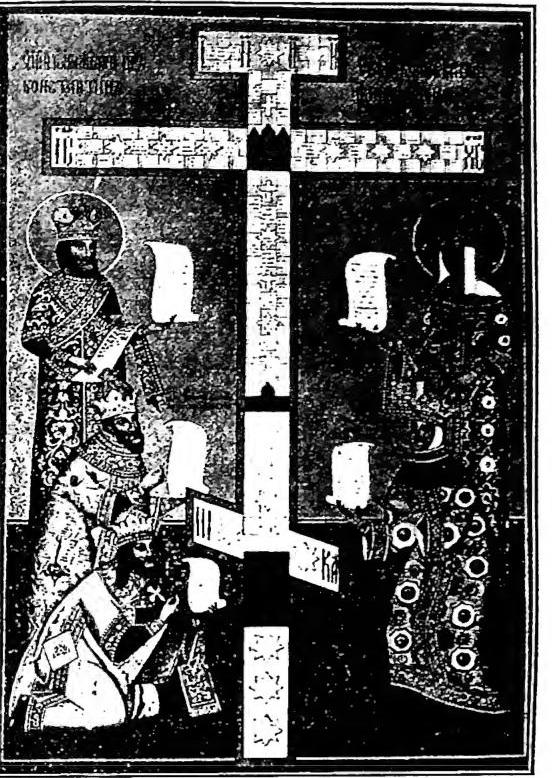
These currents affected the masses less due to insufficient schooling, which became widespread only after the emancipation of the serfs. Between 1859 and 1865, the clergy organized 21,400 schools. However, state educational bureaucracy impeded their development and practically obstructed religious instruction in public schools. The situation improved only when, in 1884, schools run by the clergy again came under the direct jurisdiction of the Holy Synod. Insufficient popular education favored the spread of false doctrines. The movement of the “Old Believers” remained quite vital, though divided into various groups and tendencies. In addition, more radical sects appeared: the “Khlysty” (Ivan Suslov, d. 1716), who believed in other reincarnations of Christ, and the “Skoptsy” (Cossack Kondraty Selivanov, d. 1832), who condemned marriage, advocating compulsory castration. In southern Russia, under the influence of Protestantism, the sect of the “Dukhobors” formed, which, in absolute religious subjectivism, rejected Holy Scripture and external worship, and that of the Molokans, who accepted Holy Scripture and the obligatory observance of all Mosaic prescriptions, while rejecting every ecclesiastical and civil authority.
---
In the second half of the 19th century, the monasteries, especially those of the north, once again became important centers of religious and cultural life. Parallel to this was the reform of internal monastic life, particularly through the efforts of the Russian monk Paisius Velichkovsky (d. 1794), who settled in Moldavia. Paisius emphasized meditation, the study of the Fathers’ works, and spiritual direction of the more advanced monks (“startsy” [q.v.]). Through correspondence, he directly influenced the formation of a new generation of Russian monks, who later, in the spirit of Paisius, reformed numerous monasteries. The revered “startsy,” sought after by clergy and laity for spiritual guidance, made their monasteries famous (Zosima in Siberia, d. 1833; Seraphim of Sarov in Sarov Hermitage, d. 1833; Ambrose Grenkov of Optina Hermitage, d. 1891; Alexis Bylinov of Valaam on Lake Ladoga, d. 1900). Among the bishops, all of whom were monks, figures such as Tikhon Zadonsky (d. 1783), Ignatius Brianchaninov (d. 1866), and Theophan the Recluse (d. 1894) stood out as models and teachers of ascetic life. Among the secular clergy, Archpriest John of Kronstadt (d. 1908) became renowned for his apostolate and reputation for holiness.
The Synodal period was marked, on the one hand, by the oppression suffered by ecclesiastical authority at the hands of the state and, on the other, by the great progress of religious culture. Throughout the 19th century, the Russian Church, with its theological academies, libraries, and printing houses, also contributed to the religious and cultural uplift of the other “Orthodox” Churches gradually freed from Turkish domination. The clergy gained the opportunity for more serious formation and were better able to provide religious instruction to the people, which remained woefully inadequate. Toward the end of the period, the educated class drifted away from the Church, succumbing to anti-Christian currents from the West. The distrustful isolation from Latin Christendom prevented the Russian Church from benefiting from the experiences and methods already acquired by the Catholic Church in combating the same atheistic tendencies. Many ecclesiastics and laity sincerely sought a profound reform of ecclesiastical life and the liberation of the Church from state bureaucracy. The most enlightened minds, such as V. Soloviev, saw the best means of revitalizing the Russian Church precisely in breaking this fatal isolation by engaging in the worldwide Christian endeavor through union with the Roman Church.
IV. RESTORATION OF THE PATRIARCHATE (from 1917)
On August 15, 1917, in the turmoil of the Revolution, the long-awaited All-Russian Council convened in Moscow, which restored the patriarchate and on November 15 elected to this dignity the metropolitan of Moscow, Tikhon. Until September 1918, the Council discussed all aspects of Russian ecclesiastical life and outlined a plan for deep reforms. However, the realization of these was prevented by the rise to power of the Bolshevik Party, which on January 23, 1918, proclaimed the separation of Church and state and of school and Church, and confiscated all ecclesiastical property, including sacred buildings and furnishings. No avail were the protests of the Patriarch, who was arrested on May 9, 1922. Released in 1923, he officially recognized the authority of the Soviet government, which, however, did not change its hostile attitude toward the Church. During the Patriarch’s imprisonment and after his death (1925), the Church was governed by vicars and vice-patriarchal vicars, repeatedly arrested and released.Meanwhile, internal schisms fomented by the Bolsheviks tore the Patriarchal Church apart. Among the various factions, the “Living Church” emerged, led by a synod under Vvedensky (“Synodal Church”), which rejected several points of traditional doctrine and discipline (celibacy of bishops, patriarchal governance, etc.). In 1923, it was recognized by the Patriarch of Constantinople and supported by the Soviet government against the Patriarchal Church. Far more radical was the “All-Russian Orthodox Church” organized by Lipkivsky, “ordained” metropolitan by the laying on of hands of priests and lay elders.
In 1927 the Soviet government de facto recognized Metropolitan Sergius as Patriarchal Vicar, but this did not prevent new waves of violent persecution between 1927 and 1932. Numerous churches were destroyed or converted to secular uses, and many bishops and priests were shot or deported. The organization of “militant atheists” was tasked with eradicating religion wherever it had already been banned from schools and cultural life. In 1929 and 1931 the government issued new regulations unilaterally governing ecclesiastical affairs, imposing every kind of restriction on the Church’s activity and subjecting it to relentless police oversight. Despite this, in the 1936 census many still declared themselves believers, so much so that the government never published the full statistics.
During the German invasion of the Soviet Union (1941), Metropolitan Sergius, the episcopate, and the clergy—standing in solidarity with the people—demonstrated loyal patriotism. At that time, pressed by external and internal difficulties, the government officially recognized the ecclesiastical administration and authorized the election of a patriarch, which took place on 8 September 1943 in the person of Metropolitan Sergius. He was succeeded on 15 May 1944 by the Metropolitan of Leningrad, Alexis, who was elected on 1 February 1945 by the Council in Moscow.
On the preceding day the Council approved a new statute for the Russian Patriarchal Church, adapting it entirely to Soviet legislation. According to this statute, the head of the Church is the Patriarch “of Moscow and All Russia,” who governs it with the assistance of a synod composed of six bishops. The supreme legislative and judicial authority resides in the Council, to which, in addition to the bishops, priests and laity also belong, though it is not specified whether they have a deliberative vote. The bishop, appointed by the Patriarch with the synod, governs his diocese, which is divided into deaneries and, in turn, into parishes. To constitute a parish—or a religious association according to Soviet legal terminology—at least twenty faithful must request authorization from the local Soviet; yet even a parish thus established does not enjoy all the rights of a legal entity. The parish priest, appointed by the bishop, is assisted by an executive committee elected by the faithful, which administers the property of worship. Civil authorities may grant the faithful use of buildings and objects of worship previously nationalized or authorize their construction or purchase.
Religious associations may obtain the means necessary for the maintenance of the clergy and the exercise of worship only through free offerings of money or goods made by the faithful. Religious instruction is forbidden in all private and public schools; even outside them, it may be given to minors (up to eighteen years of age) exclusively by their parents. It is not permitted to organize public catechism classes or establish libraries of religious literature. Only preaching as an integral part of divine services is allowed. Nor may the Church establish cultural, sporting, or charitable organizations, since all such activities are reserved to state organizations. As for religious publishing, it is limited to the monthly publication of the Patriarchate’s bulletin and a few rare books. Indeed, Article 124 of the Soviet Constitution guarantees freedom of atheist propaganda but not of religious propaganda.
The exercise of worship is permitted only in buildings designated for that purpose; each parish may use only one such building. There are eighty-three dioceses on the territory of the Union; the number of parishes is unknown. Official reports in 1946 spoke of 22,000 functioning churches, which would necessarily imply an equal number of parishes, not counting those without churches. No official data exist on the number of believers, since censuses no longer record religious affiliation. In the official Great Soviet Encyclopedia volume published in 1948 (article “Religion and the Church in the U.S.S.R.”), it is stated only that “religious prejudices are still considerably widespread among the population” and that the “overwhelming majority” of believers belong to the Patriarchal Church.
In its relations with the government, the Patriarchal Church continues to affirm the most complete loyalty. This has been acknowledged even by the government itself, which has decorated numerous ecclesiastics for their patriotic merits. Indeed, the highest representatives of the Church at home and abroad do not miss any opportunity to praise the heads of government and to recommend to the faithful docile submission to civil authorities. Yet, in its hostility toward Rome, the Patriarchal Church aligns its rules and directives with Soviet policy. Ecclesiastical authorities promptly collaborated in the liquidation of the Ukrainian Greek Catholic Church, which in 1946 was officially “reunited” with the Moscow Patriarchate. Bishops and priests who remained loyal to Rome were arrested and deported, and their places were taken by bishops and priests of the Patriarchal Church.
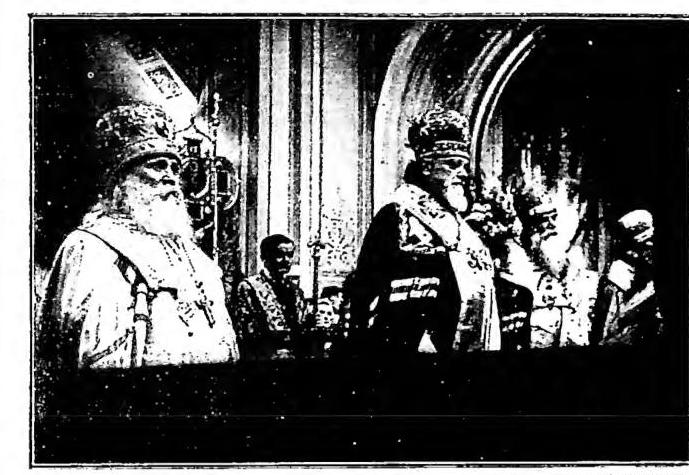
Despite all this, the Soviet government, through the Council for Orthodox Church Affairs, exercises minute control over all the activities of the Patriarchal Church. While allowing the Church legal existence and the exercise of worship, it deprives it of all means of propaganda—except for preaching in church—by which it might oppose the official propaganda of atheistic Marxism, systematically carried out in schools, through the press, radio, and cinema. Moreover, the leadership of “Komsomol,” the official Soviet youth organization, prohibited its members in 1947 from attending churches or entering into relations with the clergy. Thus the very existence of the Church is gravely compromised for the future, since it is practically denied the possibility of forming the younger generations.
In the years following the Bolshevik Revolution, numerous Russians, both laypeople and ecclesiastics, emigrated abroad. Some recognized the authority of the Synod of Bishops Abroad, headed by Metropolitan Anthony Khrapovitsky (d. 1936) with its seat in Karlovci, Yugoslavia. Another group, led by Metropolitan Evlogy, resident in Paris, submitted to the jurisdiction of the Patriarch of Constantinople. Metropolitan Evlogy also succeeded in opening in Paris in 1925 an Orthodox theological institute. After the war (1945), some Russian bishops abroad submitted to the jurisdiction of the Patriarch of Moscow, but others continued to recognize the authority of the Synod of Russian Bishops in Munich or the successor of Metropolitan Evlogy (d. 1946), Archbishop Vladimir, now in Paris.
Important publications by ecclesiastical and lay authors also appeared abroad. Among them were N. Glubokovsky (d. 1937), S. Bulgakov (d. 1944), Sergei Starogrodsky (d. 1944), N. Berdyaev (d. 1948), N. Arseniev, G. Fedotov, V. Vysheslavtsev, N. Lossky, G. Florovsky, and V. Zenkovsky, among others.
Historically evaluating the life and activity of the Russian Church, its important role in the spread of Christianity is clearly evident, defending and propagating it from the Black Sea to the Arctic Ocean, from the Baltic to the Pacific. However, due to the schism, its missionary activity could not unfold in close collaboration with Catholic missionaries, to the grave detriment of Asia. The long separation from the Catholic Church weakened the internal vitality of the Russian Church and prevented it from contributing to the development of universal Christian culture and life in the measure demanded by its important geographical position and the considerable number of its faithful.
**Statistics.** – Here is a picture of the evolution of the Russian Church from the second half of the 19th century to 1914 and the number of faithful: 98,363,874 faithful; 98,363,874 in 1842-1849; the Christian Catholic Church (Catholic, Protestant, Armenian) 582,954; from the Old Believers 1,179; from Jews, Muslims, pagans 267,872; in total: 1,172,758; churches: 54,174 (34,049); chapels: 23,593 (93,053); dioceses: 68 (49); priests in service: 51,105 (36,563); deacons in service: 15,035 (16,024); male monasteries: 550 (435); monks: 11,845 (5,112); novices: 948 (3,259); female convents: 475 (112); nuns: 1,448 (2,287); novices: 56,016 (4,583); schools: theological academies: 4 (3); teachers: 164 (53); students: 995 (372); major seminaries: 57 (45); teachers: 1,448 (501); students: 22,734 (16,204); minor seminaries: 185 (175); teachers: 2,374 (822); students: 29,419 (26,513); schools dependent on the Holy Synod: 3,824 (2,700); with pupils: 2,144,742 (25,000); popular libraries at churches: 33,497 (11,170); charitable institutions: hospitals: 291 (53), poorhouses: 1,113 (522). – V. tav. XCVIII.
---
GIUSEPPE MOSCATI. – Physician, b. Benevento 25 July 1880, d. Naples 12 Apr. 1927. At 17 he took a vow of perpetual chastity; he embraced the medical career with the sole aim of glorifying the Lord in it and saving souls. Having graduated with highest honors in 1903, he was immediately appointed extraordinary assistant at the Ospedali Riuniti of Naples.
In times of public calamity, such as during the Vesuvian eruption of 1906, when he extracted from the rubble and brought to safety the elderly patients in the hospice of Torre del Greco, and during the cholera of 1911, he was always at his post, even when other colleagues were absent, heroically enduring the most difficult tasks in the most stricken areas of the city. In 1911 he became chief physician at the Incurabili and professor of physiological chemistry at the University; thence he passed to a regular position at the Ospedali Riuniti; in 1919 he was elected ordinary professor of clinical chemistry at the University; in 1922 he obtained a new libera docenza in general medical clinic. By government appointment he took part in the International Medical Congresses of Budapest (1911) and Edinburgh (1923).
Endowed with extraordinary diagnostic acumen, he treated his patients with particular skill and charity, striving to heal their infirmities with the least financial burden, often refusing any compensation and providing money for the purchase of remedies, and to bring them back to the faith and practice of Christian life. He devoted every care to forming his students well for their future profession. Of profound spiritual life, Dr. Moscati demonstrated his faith before all with pride and joy, winning over colleagues, students, and patients to Christian practice.
As he had foreseen and announced, he died on 12 Apr. 1927. His remains have been transferred since 1930 to the church of Gesù Nuovo in Naples, and many prodigious healings are attributed to his intercession; his cause of beatification was introduced in 1949.
Among his works, 32 scientific publications.
---
MOSCIA. – A building for Muslim worship, which in its primitive type is said by some to derive from the Arab dwelling-house. The oldest *moscia* was that founded at Medina by Muhammad himself, later completely rebuilt in the 13th century.
To the 7th century dates the mosque of ʿAmr at Cairo, which, despite later reconstructions, shows what the original arrangement of such buildings was: a rectangular courtyard (*sahn*), surrounded by open porticoes, has in the center a basin for ritual ablutions; in the deepest part of the portico is the prayer hall, within which the *mihrab*, a kind of richly adorned niche, indicates the *qiblah*, i.e., the orientation toward Mecca. This simpler type later became more complex when Islam, in its spread, used materials from other constructions or adapted Christian basilicas to mosques (especially in Constantinople and Syria), altering their orientation and placing a courtyard in front, or imitated their forms. An example of a mosque derived from Western basilicas is that of Córdoba (later turned to Christian worship after the expulsion of the Arabs from Spain), whose construction, begun at the end of the 8th century, continued with additions and expansions until the end of the 10th century. It is a rectangular-plan building, with multiple naves, of which the central one is wider; in it the *maqsura* (area reserved for the sovereign), separated by a screen and with the central part covered by a dome, and the *mihrab* correspond to the transept with the iconostasis and the apse of Christian churches. At other times, however, central-plan churches were imitated, as in the mosque of ʿUmar in Jerusalem (7th-8th century).
The architectural and decorative features of mosques vary in different localities, according to local influences. Inside the mosque the liturgical furnishings consist of the *minbar* (pulpit for preaching), the *dikkah* (platform for the readers of the Qur’an), and the lectern for the Qur’an itself. The larger mosques, in which alone the Friday prayer may be recited, are called *gami*; to them are usually attached a kitchen for the poor and a school or college. Access to mosques is absolutely forbidden to non-Muslims.
---
GIOVANNI MOSCO. – Monk and hagiographer, also called *ho exeraktēs* (= the abstinent), b. probably in Damascus around the middle of the 6th century, d. in Rome in 619.
He lived as a monk in the monastery of St. Theodosius in Jerusalem; then among the hermits of the Jordan valley; later in the new “laura” of St. Sabas, near Bethlehem. About 570 he went with the monk Sophronius (the future patriarch of Jerusalem) to Egypt; on his return he spent ten years on Mount Sinai (583–93), thence he went again to Egypt, until in 614 he set out for Rome, where he wrote his work and died. During these many journeys he had the opportunity to visit the numerous monasteries and hermit settlements of Egypt and Palestine and to listen to the most celebrated ascetics. Sophronius later conveyed his body to Jerusalem, to the monastery of St. Theodore.
The work of M., entitled Λειμών ο Λειμωνάριον (= spiritual meadow) and often called Παρθέσιος ο Νέος Παράθεσος (= garden, new garden), became the most widely read ascetic and edifying reading of the Middle Ages. In it M. recounts, in simple and popular language, a series of episodes concerning the lives of monks, either witnessed directly or heard from the ascetics he had met. Although the work abounds in ecstasies and miracles and lacks strict selectivity, it remains very important for the information it provides on the worship and liturgical ceremonies in the monasteries and on the various heresies then threatening the unity of the Church. M. also wrote, in collaboration with Sophronius, a life of St. John the Almoner, a passage of which survives in the first chapter of the Vita s. Johannis Eleemosynarii by Leontius of Naples under the name of Simeon Metaphrastes.