
RABBA (RABBATH) of AMMON. — Ancient city (Deut. 3:11) east of the Jordan, today ‘Ammān, capital of Ammonites (v.). Following the siege of the lower city by Ioab, in which Uriah was killed, and that of the upper city by David, R. lost its independence, becoming merely a provincial capital of the Kingdom of David (II Sam. 10–12; I Par. 20:1–3). It did not take long for it to regain its freedom.
The excavations have revealed the tomb of Adone Nur, servant of Ammi Nadar, who reigned in the time of Assurbanipal (ca. 650 B.C.). From the Iron Age, walls have been found on the acropolis (excavations by the Italian Mission) and two tombs.
(phot. Enc. Cast.)
RABANO, MAURO - R. M. è presentato a S. Martino dall'abate
Albino. Ministura del sec. IX nel De Lauda Sanctae Crucis.
Biblioteca Vaticana, cod. Reg. Ist. 124, fol. 2v.
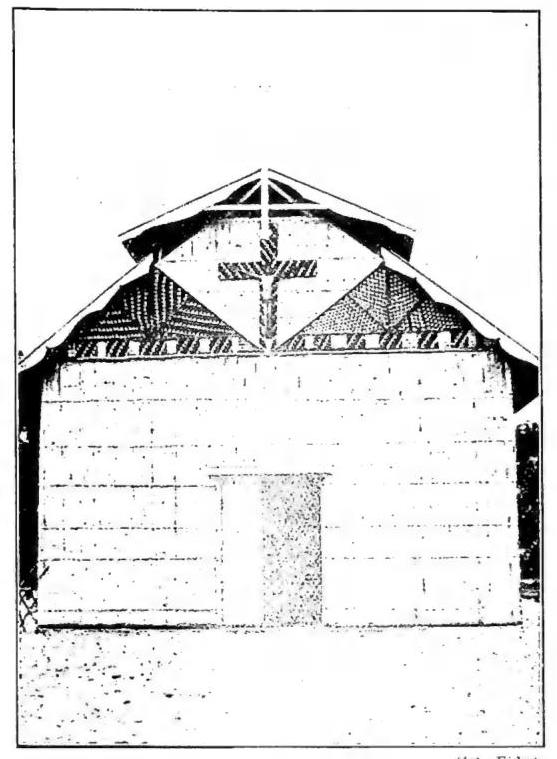
(fot. Fides)
Nel tempo cristiano divenne sede vescovile dipendente da Bosra, e Cirione, vescovo, intervenne a Nicea e ad Antiochia. Si conoscono 4 antiche chiese, una presso il fiume, dov'è oggi la grande moschea, due sui fianchi ed una sull'acropoli. Nel 635 passò agli Arabi, che eressero un bel palazzo d'arte sâsânide sull'acropoli. Cominciò presto a decadere e con il periodo turco non restò che un misero villaggio. Rinsanguato con una immigrazione di Circassi, dal 1878 si sviluppò e dopo la prima guerra divenne sede dell'emiro di Transgiordania. Lo sviluppo non è cessato e nel 1948 la popolazione ne fu raddoppiata (ca. 100 mila) con lo stabilirsi ivi dei profughi palestinesi.
23 (1948), pp. 35-39; S. Saller - B. Bagatti, The town of Nebo, Gerusalemme 1949, pp. 30, 225-26. Bellarmino Bagatti