
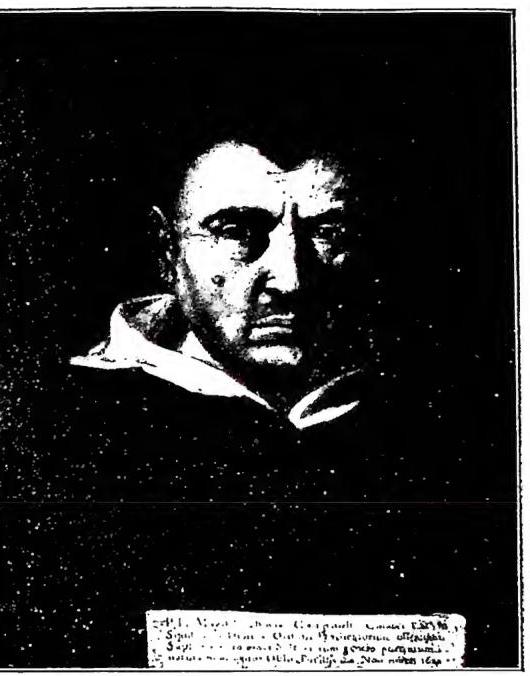
EMILIO CAMPANIA. — A distinguished Mariologist, born in 1874 at Signora (Val Colla, Ticino), died at Lugano on 14 June 1939. He pursued his studies at Pollegio, Lugano, and Rome, at the Urban Athenaeum “De Propaganda Fide,” where he earned degrees in philosophy and theology. Ordained priest in 1897, he returned to Lugano, where for 42 years he held the chair of dogmatic theology and, from 1914, also served as theological canon of the Cathedral; from 1927 to 1932 he was rector of the Seminary.
He cultivated with love Mariological theology, publishing two well-known works: *Maria nel dogma cattolico* (Turin 1923; the 3rd ed. was edited by Fr. Roschini, ibid. 1946; the work was translated into various languages), *Maria nel culto cattolico* (ibid. 1933, 2 vols.), notable for their scope, clarity, and doctrine. His former teacher at Propaganda, Cardinal Lépicier, playfully dubbed him “La campana di Maria” [Mary’s bell], a praise he deserved. He also left a historical-dogmatic study: *Il Concilio Vaticano* (Lugano 1926, part 1: *Il clima del Concilio*; the second part never appeared) and various articles in theological journals. He was preparing a work on *Maria nell’arte*.
PEDRO CAMPAN̄A. — Painter, born in Brussels in 1503 and died there in 1580. His real name was Kempeneer and he was probably a pupil of Bernard Van Orley.
In Bologna, in 1529, he painted a triumphal arch for the coronation of Emperor Charles V; in Rome and Venice he served Cardinal Grimani. He later moved to Andalusia, where he worked from 1548 to 1563. In Seville Cathedral he painted the Mariscal Chapel, and left other works in the churches of S. Isidoro, S. Caterina, and S. Juan de la Palma; his most famous work, however, is the *Deposizione dalla Croce* in S. Cruz, much admired even by Murillo.