CONSALVI, ERCOLE

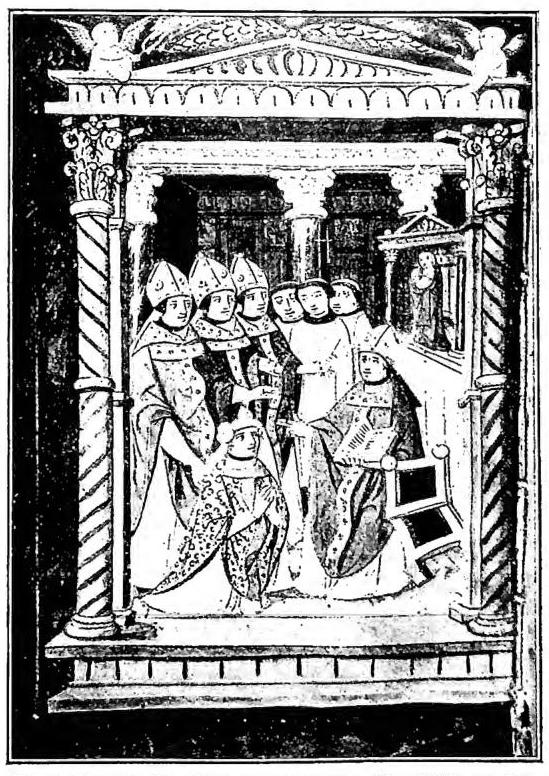
Image from page 239
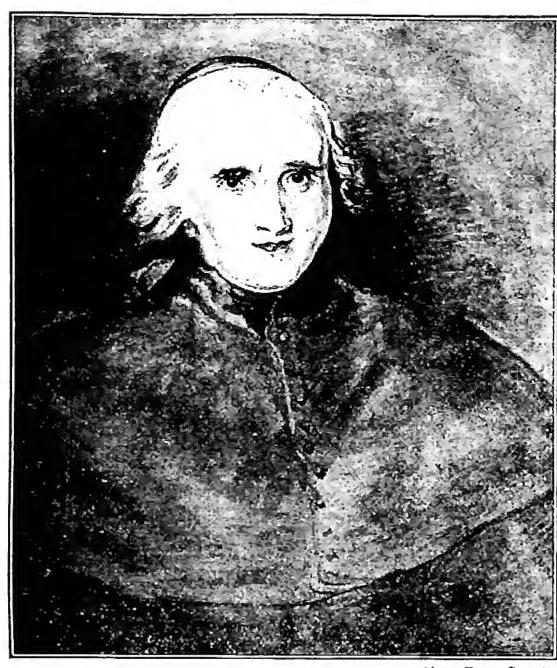
Image from page 239

ERCOLE CONSALVI. - Cardinal. Born in Rome in June 1757, died at Anzio on 24 January 1824. He studied at the seminary in Frascati; he was a deacon but never a priest. Thanks to his lively intelligence and charm, he swiftly advanced in the curial career: he served as ponente at the Buon Governo, votante at the Segnatura, assessor at the Secretariat of State, and auditor of the Rota. He was secretary of the conclave in Venice, from which Pius VII was elected, partly due to his efforts (14 March 1800). After Pius VII’s return to Rome, Consalvi was created cardinal on 20 August 1800 and then appointed Secretary of State.

Consalvi not only assisted but, one might say, guided Pius VII in the political restoration of the Papal States in the provinces of “first recovery” restored to the Holy See following the Peace of Lunéville. Not all the legacy of Jacobin administration was erased by Consalvi’s skillful and prudent policy, fully aware of the impossibility—or at least the inappropriateness—of a reconstruction that sought to make a clean slate of the recent past. Consalvi’s realism and conscious anti-abstract approach led him to accept the admission of laymen into administration, the abolition of corporate privileges, and the introduction of free trade (though in this case, the motive also stemmed from older physiocratic controversies). Yet the state’s conditions remained dire, especially due to its dire financial situation.

A political-diplomatic rather than mystical-ascetic temperament, he understood that the Church’s resurgence in France and elsewhere could only be achieved through delicate and laborious negotiations with the post-revolutionary world. Consalvi neither wished nor could sacrifice any theological or canonical cornerstone of the Church; he was willing to compromise only on what was ephemeral and negotiable. As has been said, he was flexible on non-essential matters. The fruit of his policy was the Concordat with Bonaparte of 15 July 1801, which allowed the Church, through the free and public exercise of the Catholic religion and the canonical appointment of bishops by the Pope in the traditional manner, to regain some of the positions lost during the revolutionary storm. This was a significant step for Catholicism, even if it was not recognized as the official cult as the Curia desired, and even if Bonaparte treated the matter with many mental reservations, if not a complete lack of willingness to respect his commitments, driven as he was by a conception of religion as an instrumentum regni (he saw it as a means to bring peace and prosperity to the state).

The tranquility of part of French public opinion was secured by the Pope’s commitment not to disturb the consciences of the holders of alienated ecclesiastical property. Bonaparte insisted on adding the so-called Organic Articles to the Concordat: decrees from Rome were subject to the placet, an appeal to the Council of State was established against episcopal abuses, episcopal acts in visitations and ordinations were limited, and synods were prohibited or travel to Rome without government permission, among other restrictions. These articles, along with the non-explicit submission of constitutional bishops, threatened the renewed religious peace. To avoid this danger, Consalvi advised against intransigence; they settled for the de facto reconciliation of constitutional bishops and the Pope’s declaration that he had no part in and disapproved of the Organic Articles.

Article illustration

Relations between France and the Holy See remained unstable, culminating in the Holy See’s denunciations of violations of the Concordat and moments of dramatic confrontation. On 17 June 1810, Pius VII, pro bono pacis, accepted Consalvi’s resignation at Napoleon’s request, as the latter saw the cardinal—despite his apparent compliance—as steadfast and resolute in defending the Concordat and the sovereignty of the Papal State.

Consalvi was among the “black cardinals,” those who refused to attend Napoleon’s illegitimate marriage to Marie Louise in 1810, and he was exiled to Reims. Later, he was among those who secretly urged Pius VII to denounce the Fontainebleau Concordat of 1813. Released in April 1814, on 20 May he was sent by the Pope to Paris to negotiate the restoration of the Church’s dominions and secured assurances from Louis XVIII, Talleyrand, and from London, from Chancellor Lord Castlereagh. On 2 September, he was in Vienna, where for nine months he worked with extreme skill and diplomatic tact to restore the Papal States to the Church. Fortunate circumstances contributed to this outcome, as Consalvi, representing a small political power, had only a secondary voice at the Congress of Vienna. Nonetheless, the Legations, the Marches, and other territories were returned to the Holy See, and Consalvi was satisfied with the great powers’ solution, even though the Church definitively lost Avignon, the Comtat Venaissin, and the section of the Ferrara Legation on the left bank of the Po.

Even during the Congress of Vienna, Consalvi had understood that while the revolution was being suppressed and forced into silence, it was seeping through every crack that overly interested or accommodating hands opened for II. The wisest course was to “regulate” and “guide” the new spirit rather than “be swept away by it” (H. Consalvi, *Mémoires*, ed. J. Crétineau-Joly, I, 2nd ed., Paris 1866, p. 23; and I. Rinieri, *Corrispondenza inedita dei card. C. e Pacca nel tempo del Congresso di Vienna*, Turin 1903, p. 736). Thus, upon his return to Rome, he resumed control of the Secretariat of State and sought to preserve what was good in the revolutionary-Napoleonic movement: the French commercial code was retained, judicial power was separated from executive power, torture and the strappado were abolished, witness confrontation was introduced in capital cases, old fideicommissa were abolished, and new ones were restricted (e.g., only on immovable property subject to mortgage worth at least 15,000 scudi), a general public debt registry was established, and the mortgage system remained similar to the Napoleonic one. The state’s assessment and administrative uniformity were direct Napoleonic legacies: the legate, like the French prefect, became responsible to the Secretary of State. Additionally, bishops were deprived of the use of the sibiraglia, and personal services were removed from the agricultural classes.

Consalvi, however, remained isolated: his collaborators were mediocre or reactionary, and there was no true ruling class to support him. Public opinion posed significant obstacles, either finding his reforms too bold or, if inclined toward ardent liberalism, viewing him as an enemy. Occasionally, he found support among moderate liberals who adhered to papal policy out of fear of Austrian interference (Consalvi always firmly opposed Austrian encroachment) or in hatred of sectarian movements—but this support was occasional and uncertain.

---

ERCOLE CONSALVI - CONSANGUINITY

V. CONSANGUINEITÀ

On a social level, the bourgeoisie in the process of formation and development within the Papal State supported C.'s policy insofar as it was anti-feudal and especially because C. validated the acquisition of ecclesiastical properties confiscated by the French. However, the unresolved issue of the latifundia problem and, on a political level, C.'s lack of understanding for the new spirit of nationality prevented active collaboration; the proletariat, utterly lacking class consciousness, was not opposed to the papal regime as such, but C. received no sympathy from it, as the government was accused of keeping wages low.

On a diplomatic level, C.'s activity achieved undeniable successes. Not only should his tact be noted in the face of the Neapolitan revolution of 1820–21 (cf. J. H. Brady, *Rome and the Neapolitan Revolution of 1820–21*, New York 1937, passim), nor his firm stance against the violent and intransigent counsels of Metternich (cf. C. van Duerm, *Correspondance du card. Hercule C. avec le Prince Clément de Metternich*, Louvain-Brussels 1890, pp. 236–37); above all, his ecclesiastical-concordatory policy was decisive, in which, by sacrificing lesser interests, he succeeded in crushing every remnant or aspiration of a national Church: as was rightly observed (F. Schnabel, *Deutsche Geschichte im neunzehnten Jahrhundert*, IV, Freiburg in Br. 1937, p. 23), the 19th century marks the definitive separation between the universal Church and the national Church, and the principal credit for this belongs to C. In the sphere of religious activity, C.'s work must not be forgotten: with the collaboration of Cardinals B. Pacca and L. Litta, he brought about in 1817 the reorganization of Propaganda Fide.

Bibl.: E. Daudet, *Diplomates et hommes d'État contemporains. Le card. C.*, Paris 1866; L. von Ranke, *Card. C. und seine Staatsverwaltung unter dem Pontificat Pius VII*, Leipzig 1877; E. L. Fischer, *Card. C.*, Mainz 1899; I. Rinieri, *La diplomazia pontificia nel sec. XIX*, 5 vols., Rome-Turin 1902–1906, passim; Autori vari, *Nel primo centenario della morte del card. E. C.*, Rome 1925; W. Maturi, *Il Concordato del 1818 tra la Santa Sede e le Due Sicilie*, Florence 1929, passim; G. Cassi, *Il card. C. ed i primi anni della Restaurazione pontificia*, Milan 1931; J. Schmidlin, *Papstgeschichte der neuesten Zeit*, I, Munich 1933, passim; M. Petrocchi, *La Restaurazione, il card. C. e la riforma del 1816*, Florence 1941; J. T. Ellis, *Card. C. and Anglo-Papal Relations 1814–24*, Washington 1942; M. Petrocchi, *La Restaurazione romana (1815–23)*, Florence 1943; G. Falco, *Il fallimento del card. C.*, in *La nuova Europa*, year II, 19 Aug. 1945, p. 11; A. Omodeo, *Aspetti del cattolicesimo della Restaurazione*, Turin 1946, pp. 80–180; A. Fliche–V. MARTINO G, *Histoire de l'Église*, XIX, Paris 1949, passim. Massimo Petrocchi

CONSANGUINITY (Lat. *consanguinitas*; Gk. *ομαιμότητος*) = being of the same blood.

I. BIOLOGY

According to its etymological and literal meaning, consanguinity is the attribute of individuals who share the same blood and essentially expresses, in line with modern genetic findings, the *biological relationship existing between individuals to whom the same hereditary patrimony has been transmitted* (in whole or in part) *i.e., the same complex of hereditary factors or genes that determine characteristics*. In other words, biologically, all those belonging to the same genetic kinship group (or lineage or stock)—that is, the members of the same family, together with all their ancestors and descendants—are consanguineous. In 1927, van Bemmelen (as reported by R. R. Gates) proposed using the term “kinship” to denote all descendants of a particular “pair.”

In nature, the same genetic patrimony may be transmitted either wholly or partially. Total transmission occurs in individuals born of the same parent through reproduction, parthenogenesis (without fertilization of the ovum), or autogamous sexual reproduction (self-fertilization), as seen in plants and lower animals. All individuals produced by such forms of reproduction have an identical genetic patrimony and are therefore entirely consanguineous; they are thus considered genetically pure. Partial transmission of the same genetic patrimony, however, occurs in individuals produced by cross-fertilization (allogamy)—that is, the union of gametes from two individuals of different sexes, as in higher plants and animals and in humans. All individuals born of allogamy share only a partially identical genetic patrimony, derived equally from the father and the mother; they are therefore only partially consanguineous and are regarded as genetic hybrids. Nevertheless—whether naturally, as in the case of monozygotic twins (derived from the division of a single fertilized ovum), or artificially, through repeated consanguineous pairings prohibited in humans—even individuals born of cross-fertilization may share identical genetic patrimonies.

Finally, the term consanguinity is also used in geology (on a proposal by Iddings in 1892) to denote the chemical and mineralogical affinity existing among igneous rocks derived from the same magma and forming a single “petrographic province.”

II. CONSANGUINEOUS MATINGS

The forms of allogamous sexual reproduction (characteristic of higher plants and animals and of humans), which occur through the union of gametes from two individuals of different sexes (parents), are distinguished as endogamous or exogamous, depending on whether the two parents belong (endogamy) or do not belong (exogamy) to the same kinship group or, more broadly in the case of humans, to the same caste or marital class (as in primitive societies).

Consanguineous matings are therefore a form of endogamy, the most elementary of which is the union between brother and sister. History records that consanguineous marriages were practiced in antiquity to preserve the purity of blood and genealogical traditions, especially in royal families, including those of the Incas in Peru and the Pharaohs in Egypt. Herodotus and Strabo report that consanguineous marriages were permitted among the Medes, Persians, and others.

Ethnology informs us that brother-sister unions are still common (as reported by Corso) in various places, particularly among the higher social classes and royal families of Baghirmi, Darfur, Siam, Ceylon, Hawaii, and elsewhere. In many primitive societies, however, consanguineous unions are taboo; tribes are divided into two sections, each called a *marriage class*, which may be subdivided into subgroups called *phratries*, each of which can be further divided into *clans* within which members are considered siblings and may not marry one another. Nevertheless, in societies with matriarchy, such as among the Iroquois, a man from one clan who has married two women from different clans may have children who, belonging to two different clans, may marry one another. Among other primitive peoples (such as the Akikuyu and other ethnic groups in Africa), the violation of the taboo through a consanguineous marriage contracted by individuals unaware of their kinship may be remedied by magical rites that symbolically kill the kinship bond, thereby lifting the prohibition on the union.

Small ethnic groups with high endogamy are also found in Europe—in Switzerland, Sweden, and elsewhere—and generally in areas of geographic isolation, such as alpine and rural regions.

###

III. Ethnography

Does the prohibition of marriage between blood relatives, enshrined in the laws of civilized nations and reflected in the taboos of primitive peoples, and clearly justified by social, moral, and political considerations, also find support in biological reasoning?

In the higher plants and animals, breeders have long empirically observed that, after obtaining new varieties through special crosses, they could maintain and even enhance certain traits of utilitarian or commercial value—such as increased milk, egg, or wool production, or greater speed—by repeatedly breeding closely related individuals (i.e., mating the offspring of the same pair). This process of strict inbreeding stabilized these traits, leading to the development of famous breeds such as the Durham and Hereford cattle, the English Thoroughbred horse, and the Ancon sheep of Massachusetts (with short legs that prevented them from jumping fences). These results demonstrated that inbreeding stabilizes and makes manifest traits that would otherwise remain latent (recessive) and thus unexploitable through non-consanguineous crosses. Modern genetics has confirmed that inbreeding increases the likelihood of identical gene combinations, thereby making the corresponding traits more frequently expressed.

This may help explain the phenomenon observed in plants known as "hybrid vigor" or *heterosis*, where individuals produced by exogamous crosses are more robust than those resulting from autogamy. In heterosis, unfavorable recessive genes are less likely to be paired together, remaining latent more often. Conversely, crosses between closely related but distinct species, when fertile, can produce infertile individuals, as seen in the mule. However, the precise mechanism of heterosis remains debated, and according to Gates, there is no strict genetic evidence of its occurrence in humans.

In humans, marriages between blood relatives have been the subject of numerous, sometimes conflicting, studies. A few examples are cited below.

Elderton (1911), studying marriages between cousins in England, found that consanguineous unions did not necessarily lead to higher infant mortality. However, such unions were significantly more frequent among the parents of the blind, deaf-mutes, and mentally deficient. She concluded that there was a large number of latent defects (recessive genes) in the population.

Murphy (1924) described a family that emigrated from Germany to Pennsylvania in 1731. The original emigrant had 24 children, one of whom settled in North Carolina in 1797. The families remained prolific, and over four generations, there were seven marriages between first cousins. Among the descendants, no physical abnormalities were observed, except for one case of slightly deficient intelligence; however, there was high infant mortality and a significantly higher mortality rate than in the general population.

Mohr and Wriedt (1928), cited by Gianferrari and Cantoni, reported the case of a fetus aborted with amputated upper limbs, skeletal abnormalities in the lower limbs, and an inguinal hernia; the parents were first cousins.

Bell (1940), in a survey of 49,000 patients in hospitals in England and Wales, found that children of consanguineous parents accounted for 0.97% of cases, and children of first cousins for 0.61%—percentages that seem too low.

Rondoni (1947) cites the example of the great Italian biologist Golgi, who remained physically and mentally active into old age and was himself the son of cousins. He also reports the case of Turkalj-Aschner, who observed harmful effects in second-generation cousin marriages (a woman with severe skeletal abnormalities and imbecility was the daughter of a father born from a cousin marriage—was the harmful gene latent in the father?). Rondoni comments: "Nevertheless, even this author would not entirely proscribe marriages between blood relatives if there are no hereditary afflictions in the lineage and if, on the contrary, an eugenic advantage (high intellectual qualities) is expected."

Rosse, who investigated lesions and causes of death in individuals with varying degrees of consanguinity, wrote: "No people has declined due to an increase in hereditary diseases, but rather due to impairments from other causes," and "those families do not carry as many Damoclean swords as one might expect from studying genetics textbooks" (cited by Rondoni).

In summary, contrary to earlier beliefs, it is now widely accepted that the danger posed to descendants of consanguineous unions does not lie in consanguinity itself, but rather in the potential presence of familial hereditary defects that may be expressed or exacerbated by such unions, whereas they might remain latent or milder in non-consanguineous unions. Consanguineous matings, by enhancing dominant traits (Mohr) or revealing recessive ones present in a given lineage, are not the sole or inevitable cause of degenerative manifestations in descendants; rather, they act as a mechanism that strengthens or reveals pre-existing favorable or unfavorable hereditary traits.

Therefore, all diseases considered certainly or presumptively hereditary—whether manifest or latent—that preexist in a given family lineage can be implicated in consanguineous unions. Indeed, modern genetics takes this into account when determining whether the pathogenic genes of a given disease are dominant (i.e., they always produce the disease, which therefore does not skip generations and occurs with a frequency independent of consanguinity) or recessive (i.e., they produce the disease only when the proband lacks the corresponding dominant gene [allele], meaning such recessive genes have been transmitted, as it were, in double dose [V. GENETICS]). The pathological manifestations they produce therefore skip generations and are more frequent in the descendants of consanguineous unions than in the rest of the population.

It should be noted, however, that the same anomaly or morbid condition may exhibit different hereditary patterns in different lineages (sometimes dominant, sometimes recessive, sometimes sex-linked), though within the same lineage, the pattern remains consistent.

To cite a few examples: universal albinism (lack of pigment in the skin, hair, and irises) is a classic example of a recessive trait, for which consanguinity in the parents has been observed in 35–50% of cases, and according to Sanders (1938) in the Netherlands, at a rate one and a half times higher than in the general population; retinitis pigmentosa (presence of pigmented spots in the retina with progressive reduction of central vision) may present as a simple recessive trait (with a high rate of consanguinity among the affected individuals' ancestors) or, more rarely, as a dominant or sex-linked recessive trait (affecting males); it may be associated with deaf-mutism (Usher syndrome) and various other malformations or oligophrenia (Laurence-Moon-Bardet-Biedl syndrome). The list could be extended to include all hereditary diseases, to which reference is made.

BIBL.: E. M., Elderton, On the Marriages of First Cousins, London 1911; J. Bell, A determination of the consanguinity rate in the General Hospital population of England and Wales, in Ann. of Eugen., 10 (1940), pp. 370-371; D. P. Murphy, Marriages of First Cousins in direct line of descent through four generations, in Journ. Am. Medical Ass., 83 (1940), pp. 29-30; R. Corso, in R. Biasutti, Razze e popoli della terra, Turin 1941; J. B. S. Haldane, The relative importance of principal, and modifying genes in determining some human diseases, in Journ. Genet., 41 (1942), pp. 149-57; L. Gianferrari-G. Cantoni, Manuale di genetica, Milan 1945; R. R. Gates, Human Genetics, New York 1946; P. Rondoni, Le malattie ereditarie, Milan 1947.

Venerando Correnti

IV. LAW

The complex of juridical relationships among blood relatives, being an emanation of natural divine law, could not escape the authority of positive law, whether divine or human. It must therefore be examined from the triple perspective of natural divine law, divine positive law, and human positive law.

Natural law influences juridical relationships among blood relatives in the most general terms.

The virtue of piety underpins the complex of mutual rights and duties among blood relatives, in which their juridical relationships are resolved and which are summarized in the threefold mutual relation of wealth, dependence, and assistance.

The juridical relevance of consanguinity is first found in the divine positive law of general principles, in direct dependence upon and application of natural law, and respectively as the basis for the norms established by human positive law.

In the first place, the fourth precept of the Decalogue: Honora patrem tuum et matrem tuam (Ex. 20, 12; Deut. 5, 16, etc.). St. Thomas explains the broad comprehensiveness of the divine precept (Sum. theol., 1a-2ae, q. 100, art. 5, ad 4); so broad that it is possible to deduce from it the sum of mutual rights and duties among blood relatives. Moreover, the same divine law contains norms that apply this deduction in its full scope, both with regard to the mass of relatives (1 Tim. 5, 8) and with regard to the sum of rights and duties of consanguinity (Mt. 15, 3-6). There are also countless other enunciations and applications of particular cases (cf., e.g., Lev. 18, 6 ff.).

Given the generality and indeterminacy of natural and divine positive law, human positive law found the way open to deduce more particularized and precise applications. For this reason, both in Roman law and in canon and civil law, there is a system of norms far more suited to the various needs of social life, according to their respective purposes and competencies.

In consanguinity, a distinction is made between the direct line (ascending or descending) and the collateral or oblique line; and, within each line, degrees.

Those who descend one from the other are relatives in the direct line (e.g., children, parents, grandparents, etc.); those who, while descending from the same person, do not descend one from the other are relatives in the collateral or oblique line (siblings, uncle and nephew, cousins, etc.). The computation of degrees in the direct line is done (and always has been done) by counting how many persons separate the two relatives, excluding one of them from the count: thus, for example, father and son are relatives in the first degree, grandfather and grandson in the second degree, great-grandfather and great-grandson in the third degree, and so on (cf. CIC, can. 96 § 2; Pius XII, motu proprio «Crebrae allata», 22 Feb. 1949, can. 66 § 4 n. 2; art. 76 of the Italian Civil Code).

For the computation of degrees in the oblique line, two different systems are known.

The first (Roman method), now used in civil law everywhere and in Eastern canon law, computes degrees by summing the distances of each of the two blood relatives from the common ancestor (cf. art. 76 of the Italian Civil Code; Pius XII, motu proprio «Crebrae allata», 22 Feb. 1949, can. 66 § 4 n. 3). In this way, two siblings are relatives in the second degree, each being one degree removed from the father, who is the common ancestor; uncle and nephew are relatives in the third degree, since the former is one degree and the latter two degrees removed from the ancestor, i.e., from the father of the former and grandfather of the latter; two cousins are relatives in the fourth degree, each being two degrees removed from the common grandfather. Thus, for example, referring to the chart below, B and C are relatives in the first degree of A; D and E are relatives in the second degree of A; B and C are relatives in the second degree to each other; B and E in the third degree, and likewise C and D; D and E in the fourth degree.

Article illustration

The second (Germanic method), used, at least since the 6th century, in Latin canon law (cf. CIC, can. 96 § 3), instead computes degrees according to the distance of the blood relative who is furthest from the common ancestor, without taking into account the distance of the other (or taking into account only one of the two distances, without summing them, in the case that they are equal). Therefore, with this method, two siblings, each being one degree removed from their common parent, are relatives in the first degree to each other; uncle and nephew are relatives in the second degree, counting only the greater distance, that of the nephew, who is two degrees removed from the common ancestor; and likewise two cousins are relatives in the second degree. Thus, referring again to the chart above, B and C are relatives in the first degree of A, their parent; D and E are relatives in the second degree of A, their grandfather; B and C are relatives in the first degree to each other; B and E in the second degree; C and D likewise in the second degree; D and E (cousins) likewise in the second degree.

It should be noted that civil laws usually establish that consanguinity is not recognized beyond a certain degree (in Italy, up to and including the sixth, “except for certain specifically determined effects”: art. 77 of the Italian Civil Code). In canon law there is no general norm, but the limit arises nonetheless: specifically, a de facto limit in the direct line of consanguinity, which rarely has practical relevance beyond the second or third degree; legal limits, for consanguinity in the oblique line, limits which, however, vary according to each of the juridical effects of consanguinity (the furthest degree to which one such effect is attributed, namely that of creating an impediment to marriage, is the third degree in Latin law and the sixth in Eastern law: CIC, can. 1076 § 2; Pius XII, motu proprio cited, can. 66 § 2).

Disregarding the effects of consanguinity with regard to the acquisition of citizenship or domicile (q.v.), parental authority (q.v.), and guardianship, and considering consanguinity as a matrimonial impediment, it is held that the impediment is certainly of natural law in the first degree of the direct line, and probably also in all other degrees of the same line and in the first degree of the collateral line. In any case, human positive law has always had and continues to have precise and binding norms in this regard, certainly derived at least in part from divine law, whether natural or positive.

The Church, in the early centuries, accepted consanguinity as an impediment to marriage (v. IMPEDIMENTI) within the limits of Mosaic legislation (Lev. 18:6; Deut. 27:20) and Roman law (I, 1, 10), namely between ascendants and descendants, brothers and sisters, uncles and nieces. Gradually, beginning in the 4th century, it extended this impediment, though the legislation was not always uniform across regions nor always clear (among other things, there was doubt whether, in the collateral line, beyond the fourth degree the impediment was diriment or merely prohibitive). In the Latin Church, Innocent III, in canon 50 of the Fourth Lateran Council (1215), removed the impediment for the collateral line beyond the fourth degree (canon 8, X. 14); this norm remained in force until 1918, as the Council of Trent rejected proposals to restrict the impediment. In the Eastern Church, the history of the impediment of consanguinity in the oblique line varies by rite: in recent centuries, almost all rites recognized the impediment up to the seventh or eighth degree according to the Eastern computation.

The Code of Canon Law now establishes, for the Latin Church, the prohibition and nullity of marriage between relatives, whether legitimate or natural, in the direct line in any degree, and in the collateral or oblique line up to and including the third degree (canon 1076 §§ 1-2). In Eastern canon law, the impediment in the direct line extends likewise to infinity, while in the oblique line it extends up to and including the sixth degree, computed according to the different method already noted (Pius XII, motu proprio cited, canon 66 §§ 1-2).

The impediment of consanguinity is double, triple, etc., in cases of consanguinity in the oblique line deriving from two, three, etc. common stocks (CIC, canon 1076 § 2; Pius XII, motu proprio cited, canon 66 § 2).

If the existence of the impediment is doubtful because it is not known whether the two parties intending to marry are relatives or in what degree, the marriage may be celebrated lawfully, provided it is certain that they are not relatives in the direct line nor brother and sister (CIC, canon 1076 § 3; Pius XII, motu proprio cited, canon 66 § 3), so that there is no danger of violating divine law.

Dispensation from the impediment of consanguinity may be granted only when it is not of divine right, that is, only in the collateral line, and provided it is not a case of brother and sister. Dispensation is granted for any reasonable cause when it concerns the third degree in the law of the Latin Church, or the sixth degree in that of the Eastern Church, as in these cases the impediment is of a lesser degree (CIC, canon 1042 § 2 n. 1; Pius XII, motu proprio cited, canon 31 § 1 n. 1); less easily in the more proximate degrees, and only for grave cause between uncle (or aunt) and nephew (or niece) (cf. S. Congr. Sacram., Instruction, 1 Aug. 1931).

The Italian Civil Code prohibits marriage between all ascendants and descendants in the direct line, legitimate or natural; and in the collateral line between legitimate or natural brothers and sisters, and also between uncle and niece, aunt and nephew (art. 87). It should be noted, however, that for marriages celebrated before the Church, the State recognizes canon law on this point as well, while the norms of the Civil Code apply only to civil and non-Catholic marriages (cf. art. 82 of the Civil Code).

Among the manifold personal effects of consanguinity, we mention only a few that reflect its incompatibility, namely the exclusion of relatives from certain offices, the limitation or evaluation of their testimony in court, and the gravity or imputability of certain crimes.

Regarding exclusion from certain offices, characteristic is that relating to the office of judge, which is found both in Roman law (D. 2, I. 10) and in canon law (CIC, canon 1613 § 1), and in civil law (arts. 51 et seq. of the Code of Civil Procedure and arts. 62 et seq. of the Code of Criminal Procedure).

Traces of limitation, or norms for the evaluation of the judicial testimony of relatives, already existed in Roman law; these, however, are more clearly defined in canon law (CIC, canon 1755 § 2 n. 2; 1757 § 3 n. 3; 1974, 2027 § 1) and in civil law (arts. 247 and 246 of the Code of Civil Procedure; art. 350 of the Code of Criminal Procedure).

Consanguinity is, finally, a constitutive element of certain crimes such as incest (CIC, canon 2357 § 1; 2359 § 2; art. 546 of the Penal Code) and parricide (art. 577 of the Penal Code; or an aggravating circumstance in many others (cf. Penal Code, art. 519 n. 2, 531 n. 2, 605 n. 1, etc.), and in some cases it is an extenuating circumstance (Penal Code, art. 649).

Consanguinity is relevant, among other things, in the right and corresponding duty to provide maintenance (v. ALIMENTI), in the administration of property, but especially in succession (v. ACCESSIONE).

Hitherto neglecting any distinction between legitimate and illegitimate or natural consanguinity, it should be noted that the former derives from generation within marriage, the latter from generation outside marriage.

From the juridical point of view, the preference due to legitimate consanguinity is evident; yet even if illegitimate consanguinity, having no title of legitimacy—not even natural (cf. Sum. theol., 3° suppl., 68, 1)—must and can receive sufficient protection and assistance (cf. ibid., 2-3), this explains why positive law has always recognized or granted it a fairly extensive juridical relevance (v. AFFILIAZIONE).

Besides natural consanguinity, based on the sharing of blood, law has always recognized other kinds of analogous bonds based on legal or spiritual relationships (v. AFFINITÀ; AGNAZIONE; COGNAZIONE).

BIBL.: A. Esmén-R. Général, Le mariage en droit canonique, I, 2nd ed., Paris 1933, pp. 317 ff.; J. Fleury, Recherches historiques sur les empêchements de parenté dans le mariage canonique des origines aux fausses décretales, 1933; F. X. Wahl, The matrimonial impediments of consanguinity and affinity, Washington 1934; Wernz-Vidal, II, pp. 19-21, V, pp. 427-60. Agatangelo da Langasco