
EHRLE, FRANZ. – Cardinal, distinguished medievalist, prefect of the Vatican Library, born at Iany (Württemberg) on 17 October 1845, died in Rome on 31 March 1934. He entered the Society of Jesus (1861) and studied in Germany and England (1873–77), where he was ordained a priest and then assigned to pastoral ministry in Liverpool.
In 1878 he joined the editorial staff of Stimmen aus Maria Lauch (later Stimmen der Zeit) and moved to Belgium, where he began his literary activity. He intended to write a history of scholasticism, a project later realized only through a number of important contributions. During the decade 1880–90 he worked intensively in Rome and in other cultural centers both in Italy and abroad. Together with the Deutsche he published the Archiv für Literatur und Kirchengeschichte des Mittelalters (7 vols., Berlin–Freiburg im Breisgau 1885–1900, of which the last three were almost exclusively by E. alone), a veritable treasure-house of medieval erudition. In 1890, after publishing the first volume of the History of the Papal Library, he joined the Council of the Vatican Library, of which he was later prefect (1891–1914). In this position his gifts as an organizer and as a bold and successful innovator shone forth. To him are due the complete reorganization, modern equipment, and enrichment of the Vatican Library, which became a center of attraction for scholars from throughout the world. He himself described, in part, his work and experience in Zentralblatt für Bibliothekswesen, 33 (1916), pp. 197–227; see also ibid., 8 (1891), pp. 504–10; Die Überführung der gedruckten Bücher der Vaticana aus dem Appartamento Borgia in die neue Leomische Bibliothek und ihre Neuordnung, 15 (1898), pp. 17–33 (Italian translation in Rivista delle biblioteche e degli archivi, 9 [1898], pp. 5–11, 19–25; 16 [1899], pp. 533–38; 26 [1900], pp. 245–63). Among his initiatives were the printed catalogs of the manuscripts of the Vatican Library and the great photographic editions in which the library’s most illustrious codices were reproduced, from the Vatican and Roman Vergils to the fourth-century Greek Bible; from the Greek Ptolemy of the Urbino collection to the Ro-
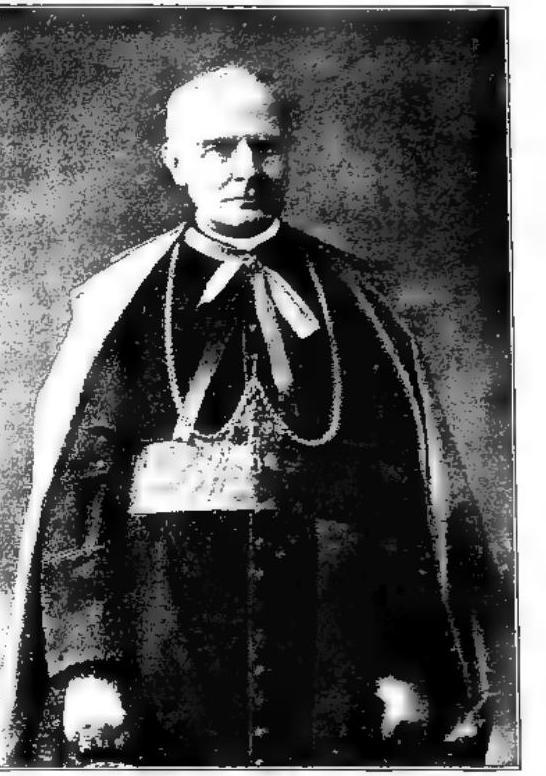
(fot. Felici)
Fu operosissimo e fecondo fino alla più tarda età; tutte le sue opere e contributi sono pregevoli tanto per contenuto quanto pel metodo e per la ponderazione dei giudizi. Tra le principali vanno ricordate: Bibliotheca theologiae et philosophiae scholasticae selecta, in collaborazione con altri (Parigi 1885-94, 5 voll.); Historia Bibliothecae Romanorum Pontificum tum Bonifatiiune tum Acenionensis (Roma 1890); Gli affreschi del Pinturicchio nell'appartamento Borgia nel Palazzo Apostolico Vaticano, in collaborazione con E. Stevenson (ivi 1887); I più antichi statuti della Facoltà teologica di Bologna (ivi 1932). A lui si deve anche la redazione della «Forma di regolamento per la custodia e l'uso degli archivi e delle biblioteche ecclesiastiche» inviata dalla Segreteria di Stato ai vescovi d'Italia il 30 sett. 1902 (Roma 1902). Fu collaboratore per moltissimi anni delle Stimmen der Zeit; notevoli sono tra gli altri i suoi articoli sulla questione romana: Benedikt XV. und die Lösung der römischen Frage, 91 (1916), pp. 505-35; Die römische Frage, 92 (1916), pp. 79-94; Weitere Erörterungen zur römischen Frage, ibid., pp. 481-94. Prezioso soprattutto il contributo apportato dall'E. per la topografia della zona del Vaticano. Un primo
studio topografico è quello dal titolo Ricerche su alcune antiche chiese del Borgo di S. Pietro, in Atti della Pont. accad. rom. di archeologia (2ª serie, 10 [1910], pp. 1-43); più tardi seguito da L'oratorio di S. Pietro sul sito della antica «Scuola dei Franchi», in Oratorio di S. Pietro (Roma 1924, pp. 25-34); segue poi la trattazione Dalle carte e dai disegni di Virgilio Spada dai cond. Vaticani latini 11257-58, in Memorie (ibid., 1 [1928], pp. 1-97).
Per la storia della città di Roma e delle sue trasformazioni dal Rinascimento in poi le sue introduzioni alle piante maggiori di Roma dei secc. XVI-XVII riprodotte a cura della Biblioteca Vaticana, cioè Roma al tempo di Giulio III, La pianta di Roma di Leonardo Bufalini del 1551 (Roma 1911); Roma prima di Sisto V, La pianta di Roma Du Pérac-Lefrény del 1577 (ivi 1908); Roma al tempo di Clemente VIII, La pianta di Roma di Antonio Tempesta del 1593 (Città del Vaticano 1932); Roma al tempo di Urbano VIII, La pianta di Roma Maggi-Maupin-Losi del 1625 (Roma 1915); Roma al tempo di Clemente X, La pianta di Roma di Giambattista Valda del 1676 (Città del Vaticano 1931); Roma al tempo di Benedetto XIV, La pianta di Roma di Giambattista Nolli del 1742 (ivi 1932); La grande veduta Maggi Mascardi (1615) del tempo di Palazzo Vaticano (Roma 1911).
Inizio infine, in collaborazione con H. Eager, la storia del Palazzo Vaticano: «Der vaticanische Palast in seiner Entwicklung bis zur Mitte des XV. Jahrhunderts», I, Città del Vaticano 1935.