
FELICE WILCHES
III. HISTORY OF THE RELATIONS BETWEEN CHURCH AND STATE
From the earliest days of Argentina’s independence (Assembly of 1813), the new government manifested its intention to establish stable relations with the Holy See. This desire was again expressed in the Congress of Tucumán in 1817 and in the first Constitutional Assembly of 1824. However, no concrete negotiations ensued.Of capital importance in the history of Church-State relations in Argentina is the year 1834, when Pedro J. Agrelo, procurator of the Republic, published his *Memorial ajustado* (Buenos Aires, 1886): a draft concordat to be proposed to the Holy See, thoroughly imbued with regalism. In this climate (concordatory tendency and regalism) the Constitution of 1853 was sanctioned, which remains in force to this day.
In it explicit mention was made of the concordat, which was recommended to parliament (art. 67, sec. 19) and to the executive power (art. 86, sec. 14). As a result, negotiations were immediately begun. During the year
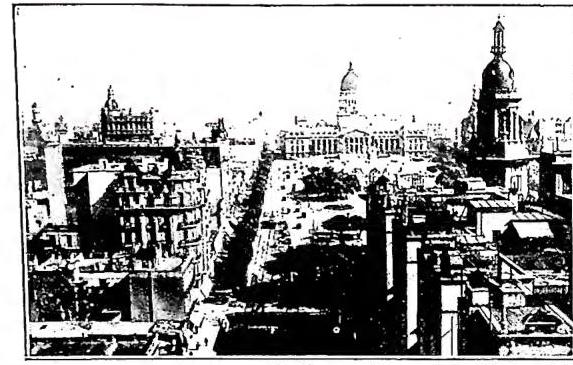
Argentina — View of Buenos Aires.
1854 an Argentine agent had several contacts with Cardinal Antonelli and even received a draft concordat proposed by him, but the matter came to nothing. The missions of Juan Bautista Alberdi (1857) and Juan del Campillo (1858) likewise failed. The last official attempt was that of 1884, after a long period of near-hostility (mission of Vicente Quesada), which failed like all its predecessors because of the Argentine government’s firm resolve to preserve the regalistic content of the constitution.
The Argentine constitution, in fact, although it admits the Catholic religion as the religion of the State and as such supports it (art. 2), reserves to Parliament and the President of the Republic the right of patronage (art. 67, sec. 19; art. 86, sec. 8) and the executive power over art, in particular religious culture and the Catholic religion. The Argentine constitution, in fact, although it admits the Catholic religion as the religion of the State and as such supports it (art. 2), reserves to Parliament and the President of the Republic the right of patronage (art. 67, sec. 19; art. 86, sec. 8) and the executive power over art, in particular religious culture and the Catholic religion. The Argentine constitution, in fact, although it admits the Catholic religion as the religion of the State and as such supports it (art. 2), reserves to Parliament and the President of the Republic the right of patronage (art. 67, sec. 19; art. 86, sec. 8) and the executive power over art, in particular religious culture and the Catholic religion. The Argentine constitution, in fact, although it admits the Catholic religion as the religion of the State and as such supports it (art. 2), reserves to Parliament and the President of the Republic the right of patronage (art. 67, sec. 19; art. 86, sec. 8) and theand the executive power over art, in particular religious culture and the Catholic religion. The Argentine Constitution, in fact, although it admits the Catholic religion as the religion of the State and supports it as such (art. 2), reserves to Parliament and the President of the Republic the right of patronage (art. 67, sec. 19; art. 86, sec. 8) and the executive power over art, in particular religious culture and the Catholic religion. The Argentine Constitution, in fact, although it admits the Catholic religion as the religion of the State and supports it as such (art. 2), reserves to Parliament and the President of the Republic the right of patronage (art. 67, sec. 19; art. 86, sec. 8) and the executive power over art, in particular religious culture and the Catholic religion. The Argentine Constitution, in fact, although it admits the Catholic religion as the religion of the State and supports it as such (art. 2), reserves to Parliament and the President of the Republic the right of patronage (art. 67, sec. 19; art. 86, sec. 8) and the executive power over art, in particular religious culture and the Catholic religion. The Argentine Constitution, in fact, although it admits the Catholic religion as the religion of the State and supports it as such (art. 2), reserves to Parliament and the President of the Republic the right of patronage (art. 67, sec. 19; art. 86, sec. 8) and the executive power over art, in particular religious culture and the Catholic religion. The Argentine Constitution, in fact, although it admits the Catholic religion as the religion of the State and supports it as such (art. 2), reserves to Parliament and the President of the Republic the right of patronage (art. 67, sec. 19;However, it reserves to Parliament and the President of the Republic the right of patronage (art. 67, inc. 19; art. 86, inc. 8) and the executive power over art, in particular religious culture and the Catholic religion. The Argentine Constitution, in fact, although it admits the Catholic religion as the religion of the State and supports it as such (art. 2), reserves to Parliament and the President of the Republic the right of patronage (art. 67, inc. 19; art. 86, inc. 8) and the executive power over art, in particular religious culture and the Catholic religion. The Argentine Constitution, in fact, although it admits the Catholic religion as the religion of the State and supports it as such (art. 2), reserves to Parliament and the President of the Republic the right of patronage (art. 67, inc. 19; art. 86, inc. 8) and the executive power over art, in particular religious culture and the Catholic religion. The Argentine Constitution, in fact, although it admits the Catholic religion as the religion of the State and supports it as such (art. 2), reserves to Parliament and the President of the Republic the right of patronage (art. 67, inc. 19; art. 86, inc. 8) and the executive power over art, in particular religious culture and the Catholic religion. The Argentine Constitution, in fact, although it admits the Catholic religion as the religion of the State and supports it as such (art. 2), reserves to Parliament and the President of the Republic the right of patronage (art. 67, inc. 19; art. 86, inc. 8) and the executive power over art, in particular religious culture and the Catholic religion. The Argentine Constitution, in fact, although it admits the Catholic religion as the religion of the State and supports it as such (art. 2), reserves to Parliament and the President of the Republic the right of patronage (art. 67, inc. 19; art. 86, inc. 8) and the executive power over art, in particular religious culture and the Catholic religion.The Argentine constitution, in fact, although it admits the Catholic religion as the religion of the State and as such supports it (art. 2), reserves to Parliament and the President of the Republic the right of patronage (art. 67, sec. 19; art. 86, sec. 8) and executive power over art, in particular religious culture and the Catholic religion. The Argentine constitution, in fact, although it admits the Catholic religion as the religion of the State and as such supports it (art. 2), reserves to Parliament and the President of the Republic the right of patronage (art. 67, sec. 19; art. 86, sec. 8) and executive power over art, in particular religious culture and the Catholic religion. The Argentine constitution, in fact, although it admits the Catholic religion as the religion of the State and as such supports it (art. 2), reserves to Parliament and the President of the Republic the right of patronage (art. 67, sec. 19; art. 86, sec. 8) and executive power over art, in particular religious culture and the Catholic religion. The Argentine constitution, in fact, although it admits the Catholic religion as the religion of the State and as such supports it (art. 2), reserves to Parliament and the President of the Republic the right of patronage (art. 67, sec. 19; art. 86, sec. 8) and executive power over art, in particular religious culture and the Catholic religion. The Argentine constitution, in fact, although it admits the Catholic religion as the religion of the State and as such supports it (art. 2), reserves to Parliament and the President of the Republic the right of patronage (art. 67, sec. 19; art. 86, sec. 8) and executive power over art, in particular religious culture and theand the executive power over art, in particular religious culture and the Catholic religion. The Argentine Constitution, in fact, although it admits the Catholic religion as the religion of the State and as such supports it (art. 2), reserves to Parliament and the President of the Republic the right of patronage (art. 67, sec. 19; art. 86, sec. 8) and the executive power over art, in particular religious culture and the Catholic religion. The Argentine Constitution, in fact, although it admits the Catholic religion as the religion of the State and as such supports it (art. 2), reserves to Parliament and the President of the Republic the right of patronage (art. 67, sec. 19; art. 86, sec. 8) and the executive power over art, in particular religious culture and the Catholic religion. The Argentine Constitution, in fact, although it admits the Catholic religion as the religion of the State and as such supports it (art. 2), reserves to Parliament and the President of the Republic the right of patronage (art. 67, sec. 19; art. 86, sec. 8) and the executive power over art, in particular religious culture and the Catholic religion. The Argentine Constitution, in fact, although it admits the Catholic religion as the religion of the State and as such supports it (art. 2), reserves to Parliament and the President of the Republic the right of patronage (art. 67, sec. 19; art. 86, sec. 8) and the executive power over art, in particular religious culture and the Catholic religion. The Argentine Constitution, in fact, although it admits the Catholic religion as the religion of the State and as such supports it (art. 2), reserves to Parliament and the President of the Republic the right of patronage (art. 67, sec. 19; art. 86, sec. 8) and the2), however, reserves to Parliament and the President of the Republic the right of patronage (art. 67, sec. 19; art. 86, sec. 8) and the executive power over art, particularly religious culture and the Catholic religion. The Argentine Constitution, in fact, although it admits the Catholic religion as the religion of the State and supports it as such (art. 2), nevertheless reserves to Parliament and the President of the Republic the right of patronage (art. 67, sec. 19; art. 86, sec. 8) and the executive power over art, particularly religious culture and the Catholic religion. The Argentine Constitution, in fact, although it admits the Catholic religion as the religion of the State and supports it as such (art. 2), nevertheless reserves to Parliament and the President of the Republic the right of patronage (art. 67, sec. 19; art. 86, sec. 8) and the executive power over art, particularly religious culture and the Catholic religion. The Argentine Constitution, in fact, although it admits the Catholic religion as the religion of the State and supports it as such (art. 2), nevertheless reserves to Parliament and the President of the Republic the right of patronage (art. 67, sec. 19; art. 86, sec. 8) and the executive power over art, particularly religious culture and the Catholic religion. The Argentine Constitution, in fact, although it admits the Catholic religion as the religion of the State and supports it as such (art. 2), nevertheless reserves to Parliament and the President of the Republic the right of patronage (art. 67, sec. 19; art. 86, sec. 8) and the executive power over art, particularly religious culture and the Catholic religion. The Argentine Constitution, in fact, although it admits the Catholic religion as the religion of the State and supports it as such (art. 2), nevertheless reserves to Parliament and the President of the Republic the right of patronage (art. 67, sec. 19; art. 86, sec. 8) and the executive power over art, particularly religious culture and the Catholic religion. The Argentine Constitution, in fact, although it admits the Catholic religion as the religion of the State and supports it as such (art. 2), nevertheless reserves to Parliament and the President of the Republic the right of patronage (art. 67, sec. 19; art. 86, sec. 8) and the executive power over art, particularly religious culture and the Catholic religion.The Argentine Constitution, in fact, although it admits the Catholic religion as the religion of the State and as such supports it (art. 2), reserves to Parliament and the President of the Republic the right of patronage (art. 67, sec. 19; art. 86, sec. 8) and the executive power over art, in particular religious culture and the Catholic religion. The Argentine Constitution, in fact, although it admits the Catholic religion as the religion of the State and as such supports it (art. 2), reserves to Parliament and the President of the Republic the right of patronage (art. 67, sec. 19; art. 86, sec. 8) and the executive power over art, in particular religious culture and the Catholic religion. The Argentine Constitution, in fact, although it admits the Catholic religion as the religion of the State and as such supports it (art. 2), reserves to Parliament and the President of the Republic the right of patronage (art. 67, sec. 19; art. 86, sec. 8) and the executive power over art, in particular religious culture and the Catholic religion. The Argentine Constitution, in fact, although it admits the Catholic religion as the religion of the State and as such supports it (art. 2), reserves to Parliament and the President of the Republic the right of patronage (art. 67, sec. 19; art. 86, sec. 8) and the executive power over art, in particular religious culture and the Catholic religion. The Argentine Constitution, in fact, although it admits the Catholic religion as the religion of the State and as such supports it (art. 2), reserves to Parliament and the President of the Republic the right of patronage (art. 67, sec. 19; art. 86, sec. 8) and the executive power over art, in particular religious culture and the Catholic religion. The Argentine Constitution, in fact, although it admits the Catholic religion as the religion of the State and as such supports it (art. 2), reserves to Parliament and the President of the Republic the right of patronage (art. 67, sec.and the executive power over art, in particular religious culture and the Catholic religion. The Argentine constitution, in fact, although it admits the Catholic religion as the religion of the State and as such supports it (art. 2), reserves to Parliament and the President of the Republic the right of patronage (art. 67, sec. 19; art. 86, sec. 8) and the executive power over art, in particular religious culture and the Catholic religion. The Argentine constitution, in fact, although it admits the Catholic religion as the religion of the State and as such supports it (art. 2), reserves to Parliament and the President of the Republic the right of patronage (art. 67, sec. 19; art. 86, sec. 8) and the executive power over art, in particular religious culture and the Catholic religion. The Argentine constitution, in fact, although it admits the Catholic religion as the religion of the State and as such supports it (art. 2), reserves to Parliament and the President of the Republic the right of patronage (art. 67, sec. 19; art. 86, sec. 8) and the executive power over art, in particular religious culture and the Catholic religion. The Argentine constitution, in fact, although it admits the Catholic religion as the religion of the State and as such supports it (art. 2), reserves to Parliament and the President of the Republic the right of patronage (art. 67, sec. 19; art. 86, sec. 8) and the executive power over art, in particular religious culture and the Catholic religion. The Argentine constitution, in fact, although it admits the Catholic religion as the religion of the State and as such supports it (art. 2), reserves to Parliament and the President of the Republic the right of patronage (art. 67, sec. 19; art. 86, sec. 8) and the executive power over art, in particular religious culture and the Catholic religion. The Argentine constitution, in fact, although it admits the Catholic religion as the religion of the State and as such supports it (art. 2), reserves to Parliament and the President of the Republic the right of patronage (art. 67, sec. 19; art.
1889
ARGENTINA - ARGIRÒPOLO GIOVANNI
1880
This period will culminate in the Nexus, which, especially in painting, aims to enhance Argentine art by aligning it more directly than in previous periods with the sentiments and styles of the era. This trend, already initiated by Pio Collivadino (b. 1869 in Buenos Aires to Italian ancestors and trained in Italy with Sivori), included the participation of painters Justo Lynch, Carlos P. Ripamonte, Alberto M. Rossi, Cesareo, Bernardo de Quiros, Fernando Fader, and a sculptor, Arturo Dresco. It closes the historical framework of Argentine art and ushers in the current period, in which avant-garde currents common to European nations and North America are decisively followed.
Giorgio Luigi Bernucci
For the literature on the author, see: ISPANO-AMERICANA, LETTERATURA.