
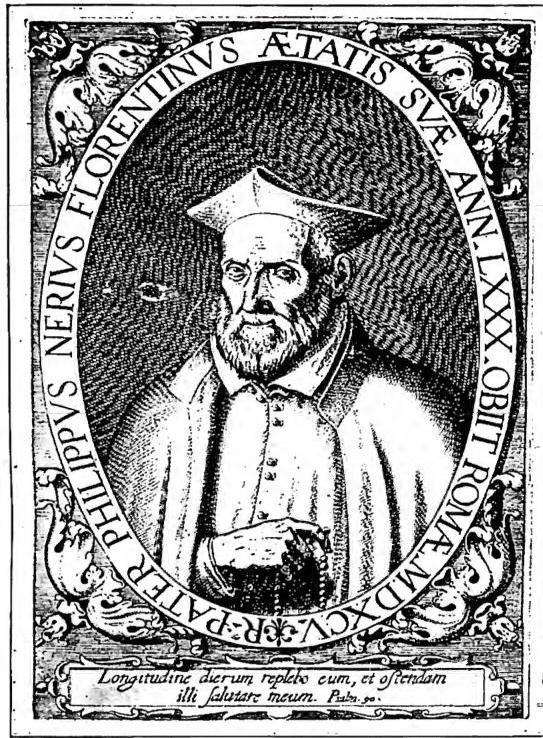
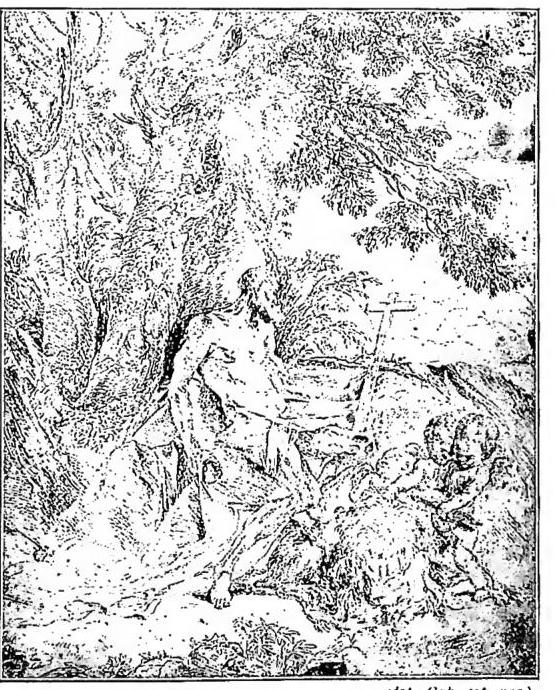
These engravings display a notable softness through the use of a stippling system. Among the Lombard artists, the name of Bramante has been suggested, but in recent times the very activity of an engraver on his part has been called into question. In Bologna, where he engraved nielli by F. Francia, M. A. Raimondi stands out, a personal interpreter of works by the greatest masters: initially influenced by F. Francia, under whom he studied, he later succumbed to the influence of German engravings (especially during his Venetian sojourn of 1506), while visible in his works are then the passages through Florence (1508) and his stay in Rome, where he came into close contact with Raphael and was captivated by ancient art. Among the disciples of Marc'Antonio are remembered Marco Dante da Ravenna and Agostino de' Musis of Venice, the so-called master B in the die. On drawings by mannerist artists Rosso Fiorentino and Perin del Vaga, as well as by Raphael, Titian, and Michelangelo, engraved G. J. Caraglio and the Parmesan Enea Vico. In the orbit of Giulio Romano worked the Mantuans G. B. Scultore with his children Adamo and Diana,
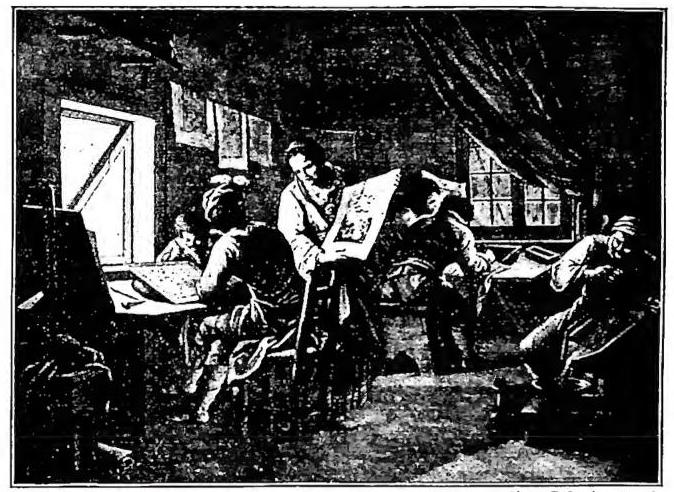
Engraving - Workshop of engravers. Pellegrino Del Colle (17th cent.) - Rome, Gabinetto Nazionale delle Stampe.
while another Mantuan, Giorgio Ghisi, devoted himself mainly to reproducing Michelangelo’s Sistine works. Among the other most famous engravers of the 1500s are remembered Parmigianino, important above all as a precursor of a more rapid and spontaneous manner of engraving that would develop widely in the following century; his follower A. Meldolla, known as lo Schiavone, who was among the first to use drypoint, and, toward the end of the century, the Carracci. In the 1600s notable engravings were produced by O. Borgianni, by Barocci (notably the Annunciation in multiple techniques), by the Florentine A. Tempesta, who especially influenced Callot and Stefano della Bella. Among the Emilian painters who were engravers are Guercino, G. Reni, and his finest follower S. Cantarini of Pesaro; among the Neapolitans, Ribera and S. Rosa; among the Genoese, il Grechetto; while of the other schools it will at least be necessary to recall the Veronese G. Carpioni, the Pisan G. B. Vanni, and the Lucchese P. Testa. But it is in the 1700s, above all through the work of the Venetians, that Italian engraving (*incisione*) was to reach its highest peaks. G. B. Tiepolo (v.) Piranesi (v.) gave rise to a most flourishing school. Among the most celebrated Venetian engravers are also remembered Carlevaris, Bellotto, Canaletto, Marco Pitteri (who engraved especially from drawings by Piazzetta), and F. Bartolozzi (engravings after M. Ricci and Zuccarelli). Toward the end of the 1700s and the early 1800s, engraving was almost exclusively reduced to the reproduction of pictorial works, and among the numerous engravers who engaged in this practical activity are cited G. Volpato and R. Morghen. The invention of photomechanical processes was decisive in restoring to engraving its original character as an autonomous creation, and in the second half of the 1800s notable in this sense is the work of M. Fortuny, G. Fattori, T. Signorini, F. Faruffini, and A. Fontanesi. Great favor is again being enjoyed by engraving on metal, in its various techniques, in our own day, as the principal activity of very many artists. See plates CV-CVI.