
MAGISTRATO. – Magistratus, from magister, etymologically means a chief, one placed in charge. In ordinary usage, the concept of magistracy was customarily confused with that of a public office, entrusted to specific persons by election or lot. Among the Romans, during the republican period, the m. were the consuls, censors, praetors, aediles, etc.; but at that time the institution of jurisdiction was unknown, although it is of such importance in the modern legal system for the concept of m.; it developed during the Imperial period.
In the present political-administrative system, the term m. has two meanings: a) a representative of the authority of the State, which is in itself continuous, such as the prefect, the mayor, etc.; b) one who performs the office of judge
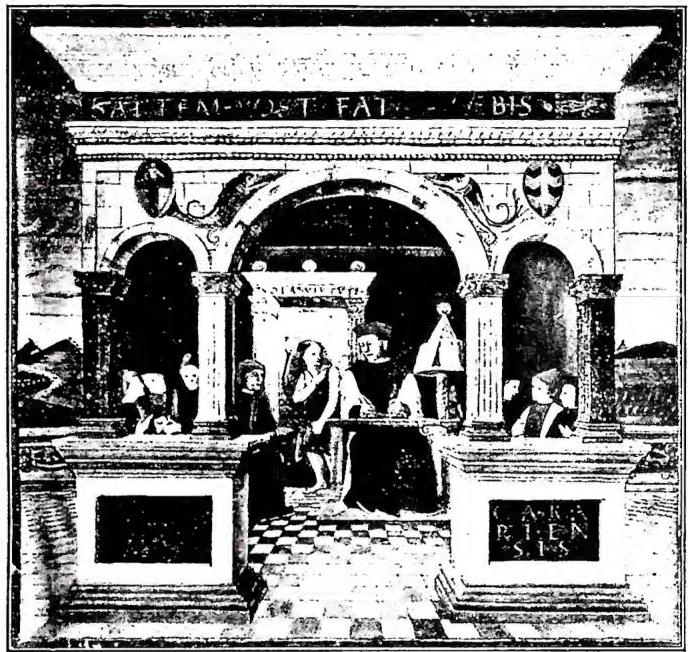
The powers and functions of the m. may vary according to constitutions and forms of government. Certain fundamental obligations, however, must be common to all and constant. 1) First of all, anyone invested with authority must uphold the majesty of the laws through the wisdom of his decisions, and must cause the authority of the State, which entrusted him with such office, to be respected in his own person. 2) Moreover, he has the obligation to make himself useful to the State and, at the same time, to the citizens. Anyone who is called to public office, if he recognizes that he possesses the necessary qualities—and the common good requires that service—is bound in legal justice to accept II. For this is one of the ways in which the citizen contributes his work to the common good. 3) As guardian of the laws, the m. may not abuse his mandate, but must pursue the public good with attention and vigilance, a sense of justice, and complete disinterestedness. 4) As regards knowledge, a general and remote preparation is not sufficient in the m.; what is required is that proximate and immediate knowledge pertaining to the office to be carried out. 5) It is scarcely necessary to mention the question of the moral excellence required of the m. What Moses did may serve as an example (Ex. 18): when choosing the first m. of the Jewish people, he appointed to this office men who were wise and God-fearing, of recognized probity, and enemies of falsehood and avarice. 6) Regarding the conduct of the m. faced with an unjust law, which he is obliged to apply, what has been said concerning the judge applies.