
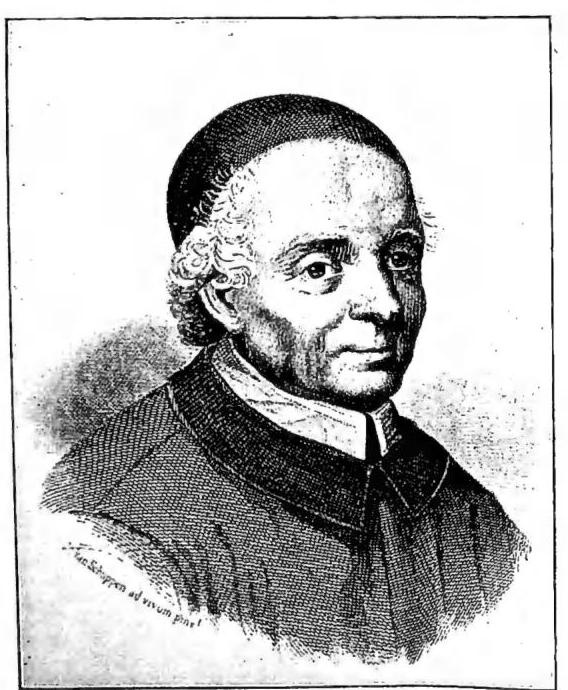
Under the protection of Frederick III (1690), he was first professor at the Ritter Academy in Halle, then, from 1694, professor of the science of law at the new university which he himself had organized, and finally, from 1710 until his death, dean. He was a tenacious and profound innovator of German culture: he used the German language instead of Latin, rigorously applied the Lutheran formula of the division between morality and law, devised the territorial system, anticipating Josephinism, while at the same time advocating the secularization of social life, fought against witch trials and torture, and worked for the formation of a German national law free from Romanist influences. For all this he was called the second reformer of Germany after Luther.
Among his works are to be noted: *De jure principis circa adiaphora* (Halle 1695); *Das Recht evangelischer Fürsten in theol. Streitigkeiten* (ibid. 1696); *De jure principis circa haereticos* (ibid. 1697); *De fundamentorum definienda causas matrimoniales hactenus receptorum insufficientia* (ibid. 1698); *Vindiciae juris majestatis circa sacra*, etc. (ibid. 1699); *Theses de crimine magiae* (ibid. 1701); *De tortura e foris christianiarum proscribenda* (Leipzig 1705); *De translatione ministerium Ecclesiae* (ibid. 1706); *De foro competente et subjicione clericorum sub potestate civili* (ibid. 1709); *De originibus processus inquisitorii contra sagas* (Halle 1712); *Historia contentionis inter Imperium et sacerdotium usque ad saec. XVI*, etc. (ibid. 1722).