
ARCHAEOLOGY. — From the time of Tertullian, the patriarch J. has been seen as a prefiguration of Jesus Christ, because he was sold by his brothers, just as Jesus Christ was betrayed by one of His disciples (Adversus Marcionem, III, 18: PL 2, 374). The same will be repeated by St Ambrose in his treatise De Ioseph Patriarcha: «venditi eum Iudas, emerunt Ismaelitae qui significantur, latina interpretatione, odio habentes Deum suum» (PL 14, 678). Other scenes relating to the patriarch J. were represented in Milan at St Ambrose (v. Forcella, Le iscrizioni di Milano, Codogno 1897, n. 518), in Nola at the basilica of St Felix (Paoline di Nola, Carmen, 62, 28), in Spain, probably at Saragossa, with distichs by Prudentius (Dytthochaeum, n. 7, 8). Rusticus Elpidius has preserved the titles relating to the illustrations of a lost pictorial cycle, which reproduced the scenes concerning the patriarch J. (PL 62, 545). This explains how Christian iconography spread the scenes relating to the episodes of the patriarch’s life from the dream onwards, i.e., almost all those listed in a singular preface discovered by J. Mabillon in a missal from Bobbio (J. Mabillon, Musaeum Italicum, I, Paris 1689, p. 303). In sepulchral art, the scene of J. being pulled from the well and sold to the Ishmaelite merchants appears only once, on a sarcophagus dating to c. 340, discovered in the confessio of St Peter in the Vatican in 1941 (L. De Bruyne, Importante coperchio di sarcofago, in Riv. di arch. crist., 20 [1945], pp. 249-80). This is the most frequently represented episode and is also found in two gold-glass vessels in the Christian Museum of the Vatican Library (R. Garrucci, Storia dell'arte cristiana, III, Prato 1876, tavv. 3, 3 and 9, 4). The cycle is represented in manuscripts, such as the Vienna Genesis, the Cotton Bible, the Ashburnham Pentateuch, the Vatican Greek Octateuchs 846 and 847, and the Greek manuscript 510 of the Bibliothèque nationale de Paris; in ivory, among which the most notable example for the number of scenes and refinement of composition is the ivory chair of Maximian in Ravenna; also in an ivory casket of the Basilewsky collection (R. Garrucci, op. cit., VII, Prato 1880, tav. 439); in a casket in the treasury of the cathedral of Sens; in ivory at the British Museum (A. Goldschmidt-K. Weitzmann, Die byzantinischen Elfenbeinkulturen des X.-XII. Jahrhunderts, Berlin, 1930, tavv. 96-97); in an ivory at the Berlin Museum (W. Wöge, Beschreibung der Bildwerke der christlichen Epochen, 1900, p. 4, tav. 3, n. 4). In textiles, such as the Coptic fabric of Golenischeff (J. Strzygowski, Orient oder Rom, Leipzig 1901, pp. 113-14 and fig. 44); in a silk fragment from the treasury of the cathedral of Sens with three scenes (E. Chartraire, Le trésor de la cathédrale de Sens, Paris 1931, p. 45); in music, such as the cycle in St Mark’s, Venice (W. de Grüneisen, Ste Marie Antique, Rome 1911, figg. 290-98); in fresco cycles in S. Maria Antiqua (Wilpert, Mosaiken, pp. 706-707), St Paul’s Outside the Walls (pp. 609-12), at St John’s “ad portam Latinam”; in the church of the abbey of St Peter in Valle near Ferentillo; and in the church of the Benedictine abbey of St-Savin-sur-Gartempe in the diocese of Poitiers (P. Deschamps, Les peintures de St-Savin-sur-Gartempe, in Comptes-rendus de l'Académie des Inscriptions et belles lettres, 1949, p. 13 ff.). See pl. LVII.
---
SAINT JOSEPH. — Spouse of the Blessed Virgin Mary and putative father of Jesus (Heb. Jóseph, apocopated form of Jéhóseph, “May Yahweh add”; Gr. Ἰωσήφ, Lat. Ioseph, Iosephus), a prominent figure in the history of Jesus’ infancy, which revolves around him. The few certain details about him are found in the first two chapters of Matthew and Luke, with a few fleeting mentions elsewhere in the Gospels. The accounts in the Apocrypha are of much lesser importance due to their markedly legendary character, though they have had a broad influence on tradition and art.
SUMMARY:
I. In Holy Scripture
II. In the Apocrypha
III. In theology
IV. In liturgy
V. In iconography
VI. In folklore.I. IN HOLY SCRIPTURE
The name of St J. appears in the genealogy of Christ as a direct descendant of David (Mt 1:16), thus “son of David” (Mt 1:20; cf. Lk 2:4; 3:23 ff.), a messianic title legitimately transmitted by him to his legal Son, Jesus (v. JESUS CHRIST, genealogy). Among the circumstances mentioned by Luke in the account of the Annunciation, the most important is that Mary, at the moment of the angelic message, was a virgin and at the same time betrothed to Joseph, desponsata (Lk 1:27). The same is attested by Matthew (1:18), when he reports Joseph’s distress at the signs of his wife’s maternity. Up to that point, was the Virgin “married” or only “betrothed” to Joseph? (The term desponsata, like the corresponding Italian “sposata,” can easily bear both meanings). The answer of tradition is not unanimous: the Greeks, for the most part, speak of betrothal; whereas the Latins, almost all, admit that the marriage had already been celebrated, with cohabitation in progress. But a careful exegesis of the evangelical text (Mt 1:18-23) allows us to exclude this second interpretation. Joseph, unaware of the mystery and distressed by the sight of his wife become a mother, considers sending her away secretly (i.e., giving her a regular bill of divorce, but without publicity, cf. ibid. 1:19): at this point the angel appears, revealing the mystery of the virginal conception and commanding him to “take Mary as his wife” (Mt 1:20, 24). With these words, the concluding act of the Jewish marriage contract is indicated, which comprised two distinct moments: the promise (betrothal) and the introduction of the bride into the groom’s house, which ordinarily took place after a year from the promise and was celebrated solemnly (cf. Jn 2:1). At the time of the Annunciation, and up to this moment, the two spouses did not cohabit (Mt 1:18 “antequam convenirent”): thus they were only betrothed. Nevertheless, it must be noted that betrothal, according to Jewish custom, was a “promissio de praesenti” and constituted the essential bond of marriage, making the spouses true husband and wife even before cohabitation, which was the solemn and definitive seal of the marriage contract. In this way, the honour of the Virgin and of her Son (for whom the Latin Fathers, ignorant of Jewish customs, believed it indispensable to have the wedding celebration precede the Annunciation) was sufficiently safeguarded.At the birth of Jesus (Lk 2:1 ff.), in obedience to the decree of the census of Augustus, J. travelled from Nazareth, where he lived, to Bethlehem, the city of David his father. This does not necessarily imply that he was a native of Bethlehem: the reason for the journey indicated by the evangelist is his Davidic descent (ibid. 2:4). But the tradition of his Bethlehemite origin is authoritatively confirmed by St Justin (Dial., 78, 10: PG 6, 657). In Bethlehem Jesus was born and laid in a manger, as there was no place for them in the “inn” (Lk 2:7). Joseph was present with Mary at the adoration of the shepherds (ibid. 2:16), and after eight days, at the rite of circumcision (which was performed by the mōhēl, and not by St J.; V. CIRCUMCISION), he imposed the name Jesus on the Child, revealed by the angel (Mt 1:21, 25), thus inaugurating his paternal mission.
At the Presentation in the Temple, it was G. who, in his capacity as head of the Holy Family, ensured the observance of the legal prescriptions: he went to Jerusalem with his Spouse and attended the rite of Purification, also offering for the redemption of the Child a pair of turtledoves, the offering of the poor (Lk. 2:22, 23, 24). He was present at the meeting with the pious old Simeon, by whom he was “blessed” together with Mary, and listened to the fateful prophecy regarding the Son and the Mother (ibid. 2:34, 35, 36, 37, 38, 39). After this event he probably returned to Nazareth, perhaps to settle his affairs (ibid. 2:39). After several months he is again in Bethlehem, at the time of the coming of the Magi: although the Gospel narrative (Mt. 2:1, 2, 3, 4, 5, 6, 7, 8, 9, 10, 11, 12, 13, 14, 15, 16, 17, 18, 19, 20, 21, 22, 23, 24, 25, 26, 27, 28, 29, 30, 31, 32, 33, 34, 35, 36, 37, 38, 39, 40, 41, 42, 43, 44, 45, 46, 47, 48, 49, 50, 51, 52, 53, 54, 55, 56, 57, 58, 59, 60, 61, 62, 63, 64, 65, 66, 67, 68, 69, 70, 71, 72, 73, 74, 75, 76, 77, 78, 79, 80, 81, 82, 83, 84, 85, 86, 87, 88, 89, 90, 91, 92, 93, 94, 95, 96, 97, 98, 99, 100, 101, 102, 103, 104, 105, 106, 107, 108, 109, 110, 111, 112, 113, 114, 115, 116, 117, 118, 119, 120, 121, 122, 123, 124, 125, 126, 127, 128, 129, 130, 131, 132, 133, 134, 135, 136, 137, 138, 139, 140, 141, 142, 143, 144, 145, 146, 147, 148, 149, 150, 151, 152, 153, 154, 155, 156, 157, 158, 159, 160, 161, 162, 163, 164, 165, 166, 167, 168, 169, 170, 171, 172, 173, 174, 175, 176, 177, 178, 179, 180, 181, 182, 183, 184, 185, 186, 187, 188, 189, 190, 191, 192, 193, 194, 195, 196, 197, 198, 199, 200, 201, 202, 203, 204, 205, 206, 207, 208, 209, 210, 211, 212, 213, 214, 215, 216, 217, 218, 219, 220, 221, 222, 223, 224, 225, 226, 227, 228, 229, 230, 231, 232, 233, 234, 235, 236, 237, 238, 239, 240, 241, 242, 243, 244, 245, 246, 247, 248, 249, 250, 251, 252, 253, 254, 255, 256, 257, 258, 259, 260, 261, 262, 263, 264, 265, 266, 267, 268, 269, 270, 271, 272445, 446, 447, 448, 449, 450, 451, 452, 453, 454, 455, 456, 457, 458, 459, 460, 461, 462, 463, 464, 465, 466, 467, 468, 469, 470, 471, 472, 473, 474, 475, 476, 477, 478, 479, 480, 481, 482, 483, 484, 485, 486, 487, 488, 489, 490, 491, 492, 493, 494, 495, 496, 497, 498, 499, 500, 501, 502, 503, 504, 505, 506, 507, 508, 509, 510, 511, 512, 513, 514, 515, 516, 517, 518, 519, 520, 521, 522, 523, 524, 525, 526, 527, 528, 529, 530, 531, 532, 533, 534, 535, 536, 537, 538, 539, 540, 541, 542, 543, 544, 545, 546, 547, 548, 549, 550, 551, 552, 553, 554, 555, 556, 557, 558, 559, 560, 561, 562, 563, 564, 565, 566, 567, 568, 569, 570, 571, 572, 573, 574, 575, 576, 577, 578, 579, 580, 581, 582, 583, 584, 585, 586, 587, 588, 589, 590, 591, 592, 593, 594, 595, 596, 597, 598, 599, 600, 601, 602, 603, 604, 605, 606, 607, 608, 609, 610, 611, 612, 613, 614, 615, 616, 617, 618, 619, 620, 621, 622, 623, 624, 625, 626, 627, 628, 629, 630, 631, 632, 633, 634, 635, 636, 637, 638, 639, 640, 641, 642, 643, 644, 645, 646, 647, 648, 649, 650, 651, 652, 653, 654, 655, 656, 657, 658, 659, 660, 661, 662, 663, 664, 665, 666, 667, 668, 669, 670, 671, 672, 673, 674, 675, 676, 677, 678, 679, 680, 681, 682, 683, 684, 685, 686, 687, 688, 689, 690, 691, 692, 693, 694, 695, 696, 697, 698, 699, 700, 701, 702, 703, 704, 705, 706, 707, 708, 709, 710, 711, 712, 713, 714, 715, 716, 717, 718, 719, 720, 721, 722, 723, 724, 725, 726, 727, 728, 729, 730, 731, 732, 733, 734, 735, 736, 737, 738, 739, 740, 741, 742, 743, 744, 745, 746, 747, 748, 749, 750, 751, 752, 753, 754, 755, 756, 757, 758, 759, 760, 761, 762, 763, 764, 765, 766, 767, 768, 769, 770, 771, 772, 773, 774, 775, 776, 777, 778, 779, 780, 781, 782, 783, 784, 785, 786, 787, 788, 789, 790, 791, 792, 793, 794, 795, 796, 797, 798, 799, 800, 801, 802, 803, 804, 805, 806, 807, 808, 809, 810, 811, 812, 813, 814, 815, 816, 817, 818, 819, 820, 821, 822, 823, 824, 825, 826, 827, 828, 829, 830, 831, 832, 833, 834, 835, 836, 837, 838, 839, 840, 841, 842, 843, 844, 845, 846, 847, 848, 849, 850, 851, 852, 853, 854, 855, 856, 857, 858, 859, 860, 861, 862, 863, 864, 865, 866, 867, 868, 869, 870, 871, 872, 873, 874, 875, 876, 877, 878, 879, 880, 881, 882, 883, 884, 885, 886, 887, 888, 889, 890, 891, 892, 893, 894, 895, 896, 897, 898, 899, 900, 901, 902, 903, 904, 905, 906, 907, 908, 909, 910, 911, 912, 913, 914, 915, 916, 917, 918, 919, 920, 921, 922, 923, 924, 925, 926, 927, 928, 929, 930, 931, 932, 933, 934, 935, 936, 937, 938, 939, 940, 941, 942, 943, 944, 945, 946, 947, 948, 949, 950, 951, 952, 953, 954, 955, 956, 957, 958, 959, 960, 961, 962, 963, 964, 965, 966, 967, 968, 969, 970, 971, 972, 973, 974, 975, 976, 977, 978, 979, 980, 981, 982, 983, 984, 985, 986, 987, 988, 989, 990, 991, 992, 993, 994, 995, 996, 997, 998, 999, 1000, 1001, 1002, 1003, 1004, 1005, 1006, 1007, 1008, 1009, 1010, 1011, 1012, 1013, 1014, 1015, 1016, 1017, 1018, 1019, 1020, 1021, 1022, 1023, 1024, 1025, 1026, 1027, 1028, 1029, 1030, 1031, 1032, 1033, 1034, 1035, 1036, 1037, 1038, 1039, 1040, 1041, 1042, 1043, 1044, 1045, 1046, 1047, 1048, 1049, 1050, 1051, 1052, 1053, 1054, 1055, 1056, 1057, 1058, 1059, 1060, 1061, 1062, 1063, 1064, 1065, 1066, 1067, 1068, 1069, 1070, 1071, 1072, 1073, 1074, 1075, 1076, 1077, 1078, 1079, 1080, 1081, 1082, 1083, 1084, 1085, 1086, 1087, 1088, 1089, 1090, 1091, 1092, 1093, 1094, 1095, 1096, 1097, 1098, 1099, 1100, 1101, 1102, 1103, 1104, 1105, 1106, 1107, 1108, 1109, 1110, 1111, 1112, 1113, 1114, 1115, 1116, 1117, 1118, 1119, 1120, 1121, 1122, 1123, 1124, 1125, 1126, 1127, 1128, 1129, 1130, 1131, 1132, 1133, 1134, 1135, 1136, 1137, 1138, 1139, 1140, 1141, 1142, 1143, 1144, 1145, 1146, 1147, 1148, 1149, 1150, 1151, 1152, 1153, 1154, 1155, 1156, 1157, 1158, 1159, 1160, 1161, 1162, 1163, 1164, 1165, 1166, 1167, 1168, 1169, 1170, 1171, 1172, 1173, 1174, 1175, 1176, 1177, 1178, 1179, 1180, 1181, 1182, 1183, 1184, 1185, 1186, 1187, 1188, 1189, 1190, 1191, 1192, 1193, 1194, 1195, 1196, 1197, 1198, 1199, 1200, 1201, 1202, 1203, 1204, 1205, 1206, 1207, 1208, 1209, 1210, 1211, 1212, 1213, 1214, 1215, 1216, 1217, 1218, 1219, 1220, 1221, 1222, 1223, 1224, 1225, 1226, 1227, 1228, 1229, 1230, 1231, 1232, 1233, 1234, 1235, 1236, 1237, 1238, 1239, 1240, 1241, 1242, 1243, 1244, 1245, 1246, 1247, 1248, 1249, 1250, 1251, 1252, 1253, 1254, 1255, 1256, 1257, 1258, 1259, 1260, 1261, 1262, 1263, 1264, 1265, 1266, 1267, 1268, 1269, 1270, 1271, 1272, 1273, 1274, 1275, 1276, 1277, 1278, 1279, 1280, 1281, 1282, 1283, 1284, 1285, 1286, 1287, 1288, 1289, 1290, 1291, 1292, 1293, 1294, 1295, 1296, 1297, 1298, 1299, 1300, 1301, 1302, 1303, 1304, 1305, 1306, 1307, 1308, 1309, 1310, 1311, 1312, 1313, 1314, 1315, 1316, 1317, 1318, 1319, 1320, 1321, 1322, 1323, 1324, 1325, 1326, 1327, 1328, 1329, 1330, 1331, 1332, 1333, 1334, 1335, 1336, 1337, 1338, 1339, 1340, 1341, 1342, 1343, 1344, 1345, 1346, 1347, 1348, 1349, 1350, 1351, 1352, 1353, 1354, 1355, 1356, 1357, 1358, 1359, 1360, 1361, 1362, 1363, 1364, 1365, 1366, 1367, 1368, 1369, 1370, 1371, 1372, 1373, 1374, 1375, 1376, 1377, 1378, 1379, 1380, 1381, 1382, 1383, 1384, 1385, 1386, 1387, 1388, 1389, 1390, 1391, 1392, 1393, 1394, 1395, 1396, 1397, 1398, 1399, 1400, 1401, 1402, 1403, 1404, 1405, 1406, 1407, 1408, 1409, 1410, 1411, 1412, 1413, 1414, 1415, 1416, 1417, 1418, 1419, 1420, 1421, 1422, 1423, 1424, 1425, 1426, 1427, 1428, 1429, 1430, 1431, 1432, 1433, 1434, 1435, 1436, 1437, 1438, 1439, 1440, 1441, 1442, 1443, 1444, 1445, 1446, 1447, 1448, 1449, 1450, 1451, 1452, 1453, 1454, 1455, 1456, 1457, 1458, 1459, 1460, 1461, 1462, 1463, 1464, 1465, 1466, 1467, 1468, 1469, 1470, 1471, 1472, 1473, 1474, 1475, 1476, 1477, 1478, 1479, 1480, 1481, 1482, 1483, 1484, 1485, 1486, 1487, 1488, 1489, 1490, 1491, 1492, 1493, 1494, 1495, 1496, 1497, 1498, 1499, 1500, 1501, 1502, 1503, 1504, 1505, 1506, 1507, 1508, 1509, 1510, 1511, 1512, 1513, 1514, 1515, 1516, 1517, 1518, 1519, 1520, 1521, 1522, 1523, 1524, 1525, 1526, 1527, 1528, 1529, 1530, 1531, 1532, 1533, 1534, 1535, 1536, 1537, 1538, 1539, 1540, 1541, 1542, 1543, 1544, 1545, 1546, 1547, 1548, 1549, 1550, 1551, 1552, 1553, 1554, 1555, 1556, 1557, 1558, 1559, 1560, 1561, 1562, 1563, 1564, 1565, 1566, 1567, 1568, 1569, 1570, 1571, 1572, 1573, 1574, 1575, 1576, 1577, 1578, 1579, 1580, 1581, 1582, 1583, 1584, 1585, 1586, 1587, 1588, 1589, 1590, 1591, 1592, 1593, 1594, 1595, 1596, 1597, 1598, 1599, 1600, 1601, 1602, 1603, 1604, 1605, 1606, 1607, 1608, 1609, 1610, 1611, 1612, 1613, 1614, 1615, 1616, 1617, 1618, 1619, 1620, 1621, 1622, 1623, 1624, 1625, 1626, 1627, 1628, 1629, 1630, 1631, 1632, 1633, 1634, 1635, 1636, 1637, 1638, 1639, 1640, 1641, 1642, 1643, 1644, 1645, 1646, 1647, 1648, 1649, 1650, 1651, 1652, 1653, 1654, 1655, 1656, 1657, 1658, 1659, 1660, 1661, 1662, 1663, 1664, 1665, 1666, 1667, 1668, 1669, 1670, 1671, 1672, 1673, 1674, 1675, 1676, 1677, 1678, 1679, 1680, 1681, 1682, 1683, 1684, 1685, 1686, 1687, 1688, 1689, 1690, 1691, 1692, 1693, 1694, 1695, 1696, 1697, 1698, 1699, 1700, 1701, 1702, 1703, 1704, 1705, 1706, 1707, 1708, 1709, 1710, 1711, 1712, 1713, 1714, 1715, 1716, 1717, 1718, 1719, 1720, 1721, 1722, 1723, 1724, 1725, 1726, 1727, 1728, 1729, 1730, 1731, 1732, 1733, 1734, 1735, 1736, 1737, 1738, 1739, 1740, 1741, 1742, 1743, 1744, 1745, 1746, 1747, 1748, 1749, 1750, 1751, 1752, 1753, 1754, 1755, 1756, 1757, 1758, 1759, 1760, 1761, 1762, 1763, 1764, 1765, 1766, 1767, 1768, 1769, 1770, 1771, 1772, 1773, 1774, 1775, 1776, 1777, 1778, 1779, 1780, 1781, 1782, 1783, 1784, 1785, 1786, 1787, 1788, 1789, 1790, 1791, 1792, 1793, 1794, 1795, 1796, 1797, 1798, 1799, 1800, 1801, 1802, 1803, 1804, 1805, 1806, 1807, 1808, 1809, 1810, 1811, 1812, 1813, 1814, 1815, 1816, 1817, 1818, 1819, 1820, 1821, 1822, 1823, 1824, 1825, 1826, 1827, 1828, 1829, 1830, 1831, 1832, 1833, 1834, 1835, 1836, 1837, 1838, 1839, 1840, 1841, 1842, 1843, 1844, 1845, 1846, 1847, 1848, 1849, 1850, 1851, 1852, 1853, 1854, 1855, 1856, 1857, 1858, 1859, 1860, 1861, 1862, 1863, 1864, 1865, 1866, 1867, 1868, 1869, 1870, 1871, 1872, 1873, 1874, 1875, 1876, 1877, 1878, 1879, 1880, 1881, 1882, 1883, 1884, 1885, 1886, 1887, 1888, 1889, 1890, 1891, 1892, 1893, 1894, 1895, 1896, 1897, 1898, 1899, 1900, 1901, 1902, 1903, 1904, 1905, 1906, 1907, 1908, 1909, 1910, 1911, 1912, 1913, 1914, 1915, 1916, 1917, 1918, 1919, 1920, 1921, 1922, 1923, 1924, 1925, 1926, 1927, 1928, 1929, 1930, 1931, 1932, 1933, 1934, 1935, 1936, 1937, 1938, 1939, 1940, 1941, 1942, 1943, 1944, 1945, 1946, 1947, 1948, 1949, 1950, 1951, 1952, 1953
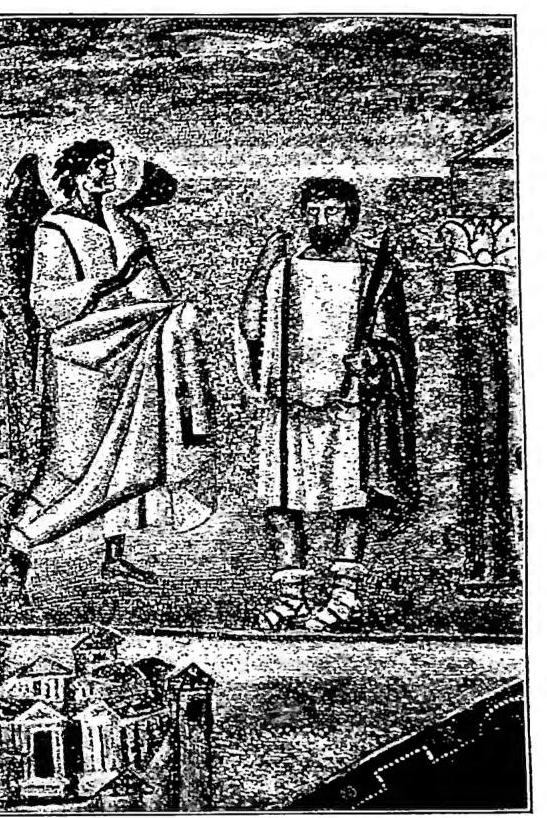
Giuseppe, santo - St. JOSEPH and the angel who dispels his doubt (Mt. 1:20). Detail from the mosaic of the triumphal arch of S. Maria Maggiore (432-40) - Rome.
and in art. The principal Apocrypha that deal with the Saint are: the Protoevangelium of James (11th century); Pseudo-Thomas (probably 11th century); Pseudo-Matthew (1st century); the De nativitate Mariae; the Arabic Gospel of the Infancy; and particularly the History of J. the Carpenter (4th or 5th century; ed. C. Tischendorf, Evangelia apocrypha, Leipzig 1876, pp. 122–39; Latin version from the Arabic text; Coptic and Armenian versions also survive). The first five Apocrypha cover only the period of Jesus’ infancy. The last purports to recount the story of J. in Jesus’ own words during a conversation with the Apostles; for the story of his infancy it largely follows the Protoevangelium of James and the canonical Gospels; it adds its own account of the last days and death of J., and is noteworthy for its ideas on the afterlife. According to these narratives, J. was first married at the age of forty to a woman named Melcha or Escha, with whom he lived for forty-nine years and by whom he had four sons, later called the “brethren of the Lord” (some apocrypha add two daughters); the youngest was James, presumed author of the Protoevangelium that bears his name and a witness to the events of Jesus’ infancy. After becoming a widower at the age of eighty-nine, J. continued to ply his trade as a carpenter in his native Bethlehem when the priests sought him out to be betrothed to a fourteen-year-old girl named Mary. As there were other suitors, the high priest entrusted the choice to divine will, which was manifested by the miracle of the flowering rod, and, according to Pseudo-Thomas, by the appearance of a dove over J.’s head. The influence of this episode—especially the flowering rod, which is highly suggestive in its symbolism—on the iconography of the Saint and Christian art is well known; one need only recall Raphael’s famous painting Lo Sposalizio (Milan, Pinacoteca di Brera). Two years later came the Annunciation, during which J. was absent. When he returned, signs of maternity were evident in his betrothed. Besides the Saint’s distress, the Apocrypha relate the episode of the ordeal of the bitter water (cf. Num.5, 11, 11, 11, 11, 11, 11, 11, 11, 11, 11, 12, 12, 12, 12, 12, 12, 12, 12, 13, 13, 13, 13, 13, 13, 13, 13, 14, 14, 14, 14, 14, 14, 14, 14, 15, 15, 15, 15, 15, 15, 15, 16, 16, 16, 16, 16, 16, 16, 17, 17, 17, 17, 17, 17, 17, 18, 18, 18, 18, 18, 18, 19, 19, 19, 19, 19, 19, 19, 20, 20, 20, 20, 20, 20, 20, 21, 21, 21, 21, 21, 21, 22, 22, 22, 22, 22, 22, 23, 23, 23, 23, 23, 23, 24, 24, 24, 24, 24, 24, 25, 25, 25, 25, 25, 25, 26, 26, 26, 26, 26, 26, 27, 27, 27, 27, 27, 28, 28, 28, 28, 28, 29, 29, 29, 29, 29, 30, 30, 30, 30, 30, 31, 31, 31, 31, 31, 32, 32, 32, 32, 32, 33, 33, 33, 33, 33, 34, 34, 34, 34, 34, 35, 35, 35, 35, 35, 36, 36, 36, 36, 36, 37, 37, 37, 37, 37, 38, 38, 38, 38, 38, 39, 39, 39, 39, 39, 40, 40, 40, 40, 40, 41, 41, 41, 41, 41, 42, 42, 42, 42, 42, 43, 43, 43, 43, 43, 44, 44, 44, 44, 44, 45, 45, 45, 45, 45, 46, 46, 46, 46, 46, 47, 47, 47, 47, 47, 48, 48, 48, 48, 48, 49, 49, 49, 49, 49, 50, 50, 50, 50, 50, 51, 51, 51, 51, 51, 52, 52, 52, 52, 52, 53, 53, 53, 53, 53, 54, 54, 54, 54, 54, 55, 55, 55, 55, 55, 56, 56, 56, 56, 56, 57, 57, 57, 57, 57, 58, 58, 58, 58, 58, 59, 59, 59, 59, 59, 60, 60, 60, 60, 60, 61, 61, 61, 61, 61, 62, 62, 62, 62, 62, 63, 63, 63, 63, 63, 64, 64, 64, 64, 64, 65, 65, 65, 65, 65, 66, 66, 66, 66, 66, 67, 67, 67, 67, 67, 68, 68, 68, 68, 68, 69, 69, 69, 69, 69, 70, 70, 70, 70, 70, 71, 71, 71, 71, 71, 72, 72, 72, 72, 72, 73, 73, 73, 73, 73, 74, 74, 74, 74, 74, 75, 75, 75, 75, 75, 76, 76, 76, 76, 76, 77, 77, 77, 77, 77, 78, 78, 78, 78, 78, 79, 79, 79, 79, 79, 80, 80, 80, 80, 80, 81, 81, 81, 81, 81, 82, 82, 82, 82, 82, 83, 83, 83, 83, 83, 84, 84, 84, 84, 84, 85, 85, 85, 85, 85, 86, 86, 86, 86, 86, 87, 87, 87, 87, 87, 88, 88, 88, 88, 88, 89, 89, 89, 89, 89, 90, 90, 90, 90, 90, 91, 91, 91, 91, 91, 92, 92, 92, 92, 92, 93, 93, 93, 93, 93, 94, 94, 94, 94, 94, 95, 95, 95, 95, 95, 96, 96, 96, 96, 96, 97, 97, 97, 97, 97, 98, 98, 98, 98, 98, 99, 99, 99, 99, 99, 100, 100, 100, 100, 100, 101, 101, 101, 101, 102, 102, 102, 102, 102, 103, 103, 103, 103, 104, 104, 104, 104, 105, 105, 105, 105, 106, 106, 106, 106, 107, 107, 107, 107, 108, 108, 108, 108, 109, 109, 109, 109, 110, 110, 110, 110, 110, 111, 111, 111, 111, 111, 112, 112, 112, 112, 112, 113, 113, 113, 113, 114, 114, 114, 114, 114, 115, 115, 115, 115, 116, 116, 116, 116, 116, 117, 117, 117, 117, 118, 118, 118, 118, 119, 119, 119, 119, 120, 120, 120, 120, 121, 121, 121, 121, 121, 122, 122, 122, 122, 122, 123, 123, 123, 123, 124, 124, 124, 124, 125, 125, 125, 125, 126, 126, 126, 126, 127, 127, 127, 127, 128, 128, 128, 128, 129, 129, 129, 129, 130, 130, 130, 130, 131, 131, 131, 131, 132, 132, 132, 132, 133, 133, 133, 133, 134, 134, 134, 134, 135, 135, 135, 135, 136, 136, 136, 136, 137, 137, 137, 137, 138, 138, 138, 138, 139, 139, 139, 139, 140, 140, 140, 140, 141, 141, 141, 141, 142, 142, 142, 142, 143, 143, 143, 143, 144, 144, 144, 144, 145, 145, 145, 145, 146, 146, 146, 146, 147, 147, 147, 148, 148, 148, 149, 149, 149, 150, 150, 150, 150, 151, 151, 151, 151, 152, 152, 152, 152, 153, 153, 153, 154, 154, 154, 154, 155, 155, 155, 156, 156, 156, 156, 157, 157, 157, 157, 158, 158, 158, 158, 159, 159, 159, 160, 160, 160, 160, 161, 161, 161, 161, 162, 162, 162, 162, 163, 163, 163, 163, 164, 164, 164, 164, 165, 165, 165, 166, 166, 166, 166, 167, 167, 167, 168, 168, 168, 169, 169, 169, 170, 170, 170, 170, 171, 171, 171, 171, 172, 172, 172, 172, 173, 173, 173, 174, 174, 174, 174, 175, 175, 175, 176, 176, 176, 177, 177, 177, 178, 178, 178, 179, 179, 179, 180, 180, 180, 180, 181, 181, 181, 181, 182, 182, 182, 182, 183, 183, 183, 184, 184, 184, 185, 185, 185, 186, 186, 186, 186, 187, 187, 187, 188, 188, 188, 189, 189, 189, 190, 190, 190, 191, 191, 191, 192, 192, 192, 193, 193, 193, 194, 194, 194, 195, 195, 195, 196, 196, 196, 197, 197, 197, 198, 198, 198, 199, 199, 199, 200, 200, 200, 201, 201, 201, 202, 202, 202, 203, 203, 203, 204, 204, 204, 205, 205, 205, 206, 206, 206, 207, 207, 207, 208, 208, 208, 209, 209, 209, 210, 210, 210, 211, 211, 211, 212, 212, 212, 213, 213, 213, 214, 214, 214, 215, 215, 215, 216, 216, 216, 217, 217, 217, 218, 218, 218, 219, 219, 219, 220, 220, 220, 221, 221, 221, 222, 222, 222, 223, 223, 223, 224, 224, 224, 225, 225, 225, 226, 226, 226, 227, 227, 227, 228, 228, 228, 229, 229, 229, 230, 230, 230, 231, 231, 231, 232, 232, 232, 233, 233, 233, 234, 234, 234, 235, 235, 235, 236, 236, 236, 237, 237, 237, 238, 238, 238, 239, 239, 239, 240, 240, 240, 241, 241, 241, 242, 242, 242, 243, 243, 243, 244, 244, 244, 245, 245, 245, 246, 246, 246, 247, 247, 247, 248, 248, 248, 249, 249, 249, 250, 250, 250, 251, 251, 251, 252, 252, 252, 253, 253, 253, 254, 254, 254, 255, 255, 255, 256, 256, 256, 257, 257, 257, 258, 258, 258, 259, 259, 259, 260, 260, 260, 261, 261, 261, 262, 262, 262, 263, 263, 263, 264, 264, 264, 265, 265, 265, 266, 266, 266, 267, 267, 267, 268, 268, 268, 269, 269, 269, 270, 270, 270, 271, 271, 271, 272, 272, 272, 273, 273, 273, 274, 274, 274, 275, 275, 275, 276, 276, 276, 277, 277, 277, 278, 278, 278, 279, 279, 279, 280, 280, 280, 281, 281, 281, 282, 282, 282, 283, 283, 283, 284, 284, 284, 285, 285, 285, 286, 286, 286, 287, 287, 287, 288, 288, 288, 289, 289, 290, 290, 290, 291, 291, 291, 292, 292, 292, 293, 293, 294, 294, 294, 295, 295, 295, 296, 296, 296, 297, 297, 297, 298, 298, 298, 299, 299, 299, 300, 300, 300, 301, 301, 301, 302, 302, 302, 303, 303, 303, 304, 304, 304, 305, 305, 305, 306, 306, 306, 307, 307, 307, 308, 308, 308, 309, 309, 309, 310, 310, 310, 311, 311, 311, 312, 312, 312, 313, 313, 313, 314, 314, 314, 315, 315, 315, 316, 316, 316, 317, 317, 317, 318, 318, 318, 319, 319, 319, 320, 320, 320, 321, 321, 321, 322, 322, 322, 323, 323, 323, 324, 324, 324, 325, 325, 325, 326, 326, 326, 327, 327, 327, 328, 328, 328, 329, 329, 329, 330, 330, 330, 331, 331, 331, 332, 332, 332, 333, 333, 333, 334, 334, 334, 335, 335, 335, 336, 336, 336, 337, 337, 337, 338, 338, 338, 339, 339, 339, 340, 340, 340, 341, 341, 341, 342, 342, 342, 343, 343, 343, 344, 344, 344, 345, 345, 345, 346, 346, 346, 347, 347, 347, 348, 348, 348, 349, 349, 349, 350, 350, 350, 351, 351, 351, 352, 352, 352, 353, 353, 353, 354, 354, 354, 355, 355, 355, 356, 356, 356, 357, 357, 357, 358, 358, 358, 359, 359, 360, 360, 360, 361, 361, 361, 362, 362, 362, 363, 363, 364, 364, 364, 365, 365, 365, 366, 366, 366, 367, 367, 367, 368, 368, 368, 369, 369, 370, 370, 370, 371, 371, 371, 372, 372, 372, 373, 373, 373, 374, 374, 374, 375, 375, 375, 376, 376, 376, 377, 377, 377, 378, 378, 378, 379, 379, 379, 380, 380, 380, 381, 381, 381, 382, 382, 382, 383, 383, 383, 384, 384, 384, 385, 385, 385, 386, 386, 386, 387, 387, 387, 388, 388, 388, 389, 389, 389, 390, 390, 390, 391, 391, 391, 392, 392, 392, 393, 393, 394, 394, 394, 395, 395, 395, 396, 396, 396, 397, 397, 397, 398, 398, 398, 399, 399, 400, 400, 400, 401, 401, 401, 402, 402, 402, 403, 403, 403, 404, 404, 404, 405, 405, 405, 406, 406, 406, 407, 407, 407, 408, 408, 408, 409, 409, 409, 410, 410, 410, 411, 411, 411, 412, 412, 412, 413, 413, 413, 414, 414, 414, 415, 415, 415, 416, 416, 416, 417, 417, 417, 418, 418, 418, 419, 419, 419, 420, 420, 420, 421, 421, 421, 422, 422, 422, 423, 423, 423, 424, 424, 424, 425, 425, 425, 426, 426, 426, 427, 427, 427, 428, 428, 428, 429, 429, 429, 430, 430, 430, 431, 431, 431, 432, 432, 432, 433, 433, 433, 434, 434, 434, 435, 435, 435, 436, 436, 436, 437, 437, 437, 438, 438, 438, 439, 439, 439, 440, 440, 440, 441, 441, 441, 442, 442, 442, 443, 443, 443, 444, 444, 444, 445, 445, 445, 446, 446, 446, 447, 447, 447, 448, 448, 448, 449, 449, 449, 450, 450, 450, 451, 451, 451, 452, 452, 452, 453, 453, 453, 454, 454, 454, 455, 455, 455, 456, 456, 456, 457, 457, 457, 458, 458, 458, 459, 459, 459, 460, 460, 460, 461, 461, 461, 462, 462, 462, 463, 463, 463, 464, 464, 464, 465, 465, 465, 466, 466, 466, 467, 467, 467, 468, 468, 468, 469, 469, 469, 470, 470, 470, 471, 471, 471, 472, 472, 472, 473, 473, 473, 474, 474, 474, 475, 475, 475, 476, 476, 476, 477, 477, 477, 478, 478, 478, 479, 479, 479, 480, 480, 480, 481, 481, 481, 482, 482, 482, 483, 483, 483, 484, 484, 484, 485, 485, 485, 486, 486, 486, 487, 487, 487, 488, 488, 488, 489, 489, 490, 490, 490, 491, 491, 491, 492, 492, 492, 493, 493, 493, 494, 494, 494, 495, 495, 495, 496, 496, 496, 497, 497, 497, 498, 498, 498, 499, 499, 499, 500, 500, 500, 501, 501, 501, 502, 502, 502, 503, 503, 503, 504, 504, 504, 505, 505, 505, 506, 506, 506, 507, 507, 507, 508, 508, 508, 509, 509, 509, 510, 510, 510, 511, 511, 511, 512, 512, 512, 513, 513, 513, 514, 514, 514, 515, 515, 515, 516, 516, 516, 517, 517, 517, 518, 518, 518, 519, 519, 519, 520, 520, 520, 521, 521, 521, 522, 522, 522, 523, 523, 523, 524, 524, 524, 525, 525, 525, 526, 526, 526, 527, 527, 527, 528, 528, 528, 529, 529, 529, 530, 530, 530, 531, 531, 531, 532, 532, 532, 533, 533, 533, 534, 534, 534, 535, 535, 535, 536, 536, 536, 537, 537, 537, 538, 538, 538, 539, 539, 539, 540, 540, 540, 541, 541, 541, 542, 542, 542, 543, 543, 543, 544, 544, 544, 545, 545, 545, 546, 546, 546, 547, 547, 547, 548, 548, 548, 549, 549, 549, 550, 550, 550, 551, 551, 551, 552, 552, 552, 553, 553, 553, 554, 554, 554, 555, 555, 555, 556, 556, 556, 557, 557, 557, 558, 558, 558, 559, 559, 559, 560, 560, 560, 561, 561, 561, 562, 562, 562, 563, 563, 563, 564, 564, 564, 565, 565, 565, 566, 566, 566, 567, 567, 567, 568, 568, 568, 569, 569, 570, 570, 570, 571, 571, 571, 572, 572, 572, 573, 573, 573, 574, 574, 574, 575, 575, 575, 576, 576, 576, 577, 577, 577, 578, 578, 578, 579, 579, 579, 580, 580, 580, 581, 581, 581, 582, 582, 582, 583, 583, 583, 584, 584, 584, 585, 585, 585, 586, 586, 586, 587, 587, 587, 588, 588, 589, 589, 590, 590, 591, 591, 592, 592, 592, 593, 593, 594, 594, 595, 595, 596, 596, 597, 597, 597, 598, 598, 599, 599, 600, 600, 600, 601, 601, 602, 602, 602, 603, 603, 604, 604, 604, 605, 605, 606, 606, 607, 607, 607, 608, 608, 609, 609, 610, 610, 611, 611, 612, 612, 612, 613, 613, 614, 614, 615, 615, 616, 616, 617, 617, 617, 618, 618, 618, 619, 619, 620, 620, 620, 621, 621, 621, 622, 622, 622, 623, 623, 624, 624, 625, 625, 625, 626, 626, 627, 627, 627, 628, 628, 628, 629, 629, 630, 630, 631, 631, 632, 632, 633, 633, 634, 634, 635, 635, 636, 636, 637, 637, 637, 638, 638, 639, 639, 640, 640, 640, 641, 641, 642, 642, 643, 643, 644, 644, 645, 645, 646, 646, 647, 647, 648, 648, 649, 649, 650, 650, 651, 651, 652, 652, 653, 653, 654, 654, 655, 655, 656, 656, 657, 657, 658, 658, 659, 659, 660, 660, 661, 661, 662, 662, 663, 663, 664, 664, 665, 665, 666, 666, 667, 667, 668, 668, 669, 669, 670, 670, 670, 671, 671, 672, 672, 673, 673, 674, 674, 675, 675, 676, 676, 677, 677, 678,
Of the commentary on the third part of the Summa. Monographs on the cult of the saint also contain valuable theological considerations. Articles on the prerogatives of the saint, especially on his “paternity” and other particular questions, are increasingly frequent in theological and biblical journals.
The points of greatest theological interest are the mission and the holiness of St JOSEPH. His mission is essentially defined by his position as head of the Holy Family, particularly as spouse of the Virgin Mary and “father” of Jesus; from this there follow special relations to the mystery of the Incarnation. An extension of his mission is his patronage over the universal Church.
1. Spouse of Mary
The title is explicitly contained in the Gospels: “vir Mariae” (Mt 1:16, 19; cf. Lc 2:4); it is the foundation of all the greatness of St JOSEPH. The truth of this marriage is clearly attested in the Gospel, which calls JOSEPH “husband of Mary” (Mt 1:19; cf. Lc 1:27; 2:5). JOSEPH and Mary, already betrothed at the time of the Annunciation, then began to live together (Mt 1:24) and continued to do so forever (betrothal and the leading of the bride into the house of the groom: the two constitutive acts of marriage, with full effect, according to Jewish custom); they were therefore true spouses. No doubt would ever have been raised about this truth had it not been for the virginal character of this marriage itself. It was indeed ordained by God and accepted as such by the two spouses for the safeguarding and honor of Mary’s virginity and divine motherhood; hence the use of marriage was excluded. For this reason some Fathers sometimes used expressions that might cause difficulty: for example, St MAXIMUS OF TURIN: “JOSEPH was always the spouse of Mary, but not her husband” (PL 57, 639); likewise St JEROME, St HILARY, St AMBROSE, St GREGORY THE GREAT, and St BERNARD.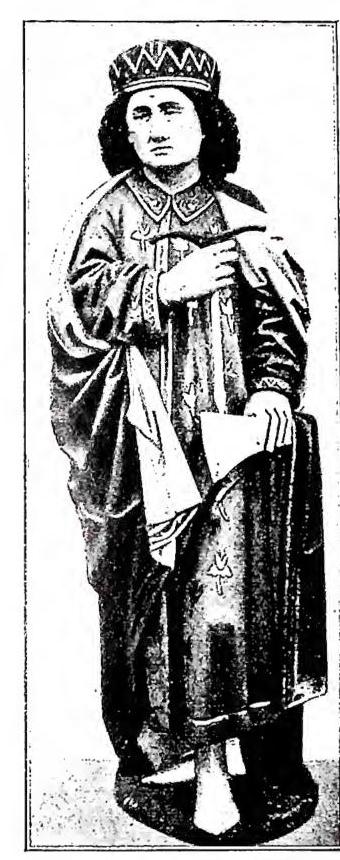
But their words can easily be understood in the proper sense, inasmuch as they had chiefly in view the perpetual virginity of Mary, and therefore, instead of the terms “husband,” “wife,” “marriage” (which ordinarily suggest the use of marriage), they preferred to use the more generic and still true terms “spouse,” “bride,” “espousal.” Among the explicit deniers in antiquity was the Pelagian Julian of Eclanum, refuted by St AUGUSTINE (PL 42, 810 ff.), and in the Middle Ages Gratian, whose erroneous opinion gave occasion to the scholastics to clarify the distinction between the consent of the spouses in the ius ad corpora, which constitutes the marriage contract, and the use of that right, which is not essential, since the spouses may renounce it for one reason or another, for a time or permanently (Peter Lombard, Lib. Sent., IV, dist. 30, 2 ff.; St THOMAS, Sum. Theol., 3a, q. 29, a. 2; cf. J. Seitz [V. BIBLICA.], pp. 134–49).
As to the virginal character of the marriage of JOSEPH with Mary, there can be no doubt, since the perpetual virginity of Mary ante partum and post partum is a truth of faith; the biblical difficulties raised to the contrary, still tenaciously repeated by Protestants and rationalist critics (Mt 1:16, 25; Lc 2:7; the “brethren of the Lord”; the genealogies of the Saviour, etc.), are victoriously resolved by Catholic exegesis (U. Holzmeister [V. BIBLICA.], pp. 34–54). Therefore not only must we admit a vow or purpose of virginity in Mary (as is well deduced from Lc 1:34), but also its acceptance by St JOSEPH. It follows that, at least after the marriage with Mary, JOSEPH lived in perfect chastity. As to the period before, opinions are divided. The apocryphal account of a previous marriage of JOSEPH enjoyed wide credence in the Eastern tradition, whose writers readily accepted this information as an easier solution to the biblical difficulty of the “brethren of the Lord”: these would be sons of JOSEPH by a previous marriage. This opinion entered and is still found in the Eastern liturgical books, especially the Greek. The Latins, with few exceptions (St HILARY, Gregory of Tours, the Ambrosiaster), consistently understood the “brethren of the Lord” in the improper sense of “cousins,” following the authoritative testimony of Hegesippus (c. AD 180, in Eusebius: PG 20, 380); hence they rejected outright the legendary apocryphal tale of JOSEPH’s first marriage. Today the thesis of the perpetual virginity of JOSEPH, vigorously defended by St JEROME (Adv. Helvidium, 19; PL 23, 203) and later by many other Fathers and Latin writers, and illustrated by St THOMAS with good theological arguments (In Mt. 12:46; In Gal. 1:19; cf. Verbum Domini, 24 [1944], pp. 97–99), enjoys the common consensus of theologians, who regard it as certain.
Although virginal, and altogether singular and without precedent, the marriage of JOSEPH with Mary lacked none of its essential goods: the most perfect conjugal love, absolute fidelity, and even offspring; this, although conceived virginally by Mary without the participation of her spouse, may well be called the fruit of that virginal marriage, which was essentially ordered to that offspring.
2. Father of Jesus
Not only does the Blessed Virgin address St JOSEPH as “father of Jesus” (Lc 2:48), which might be explained as a delicate act of deference, but the same evangelist Luke (2:33) moreover calls the two holy spouses together “parents of Jesus” (2:27, 41–43). It is clear that, because of the virginal conception of Christ, a true and natural paternity on the part of St JOSEPH is absolutely excluded. The Evangelists clearly exclude any direct part of the spouse of Mary in the generation of Christ (cf. Mt 1:18–25; Lc 1:26–38). In particular, Luke takes care to note that Jesus was “reputed” to be the son of JOSEPH: “ut putabatur” (Lc 3:23); hence properly speaking he was not. But, while true natural paternity is excluded, we must recognize in St JOSEPH a paternity that is not fictitious, founded on a mere colored title (as one might at first glance suppose from the cited text of Luke). It rests on a real foundation, namely, the marriage with Mary, inasmuch as it was ordained by God for that offspring: a paternity improperly so called, but real. The Angel, in enjoining the saint to give the child a name (Mt 1:21), confirmed the office and the rights of this paternity, which was constantly exercised by JOSEPH and acknowledged by Jesus.Various titles have been proposed to describe this singular fatherhood: putative father, nutritive father, adoptive father, legal father, and virgin father. None of them seems specifically appropriate, that is, capable of defining the character of this fatherhood in all its aspects. The most commonly used title, "putative father," is based on Lk 3:23, but it is merely negative, excluding natural paternity without saying anything else. The title "nutritive father" also seems insufficient. G. was more than a mere guardian or provider for Jesus, though this is itself a title of glory for him. Undoubtedly, as Bossuet expresses it, God gave him a father’s heart for Jesus, and his affection for the divine offspring far surpassed that of other fathers for their children. Yet paternal affection and care can also be directed toward a stranger, and Jesus was certainly no stranger to St. Joseph.
The title "adoptive father" is less felicitous. Apart from the absurdity of a creature adopting the Creator as a son, adoption is a positive, secondary act by which a stranger is received into one’s family. But Jesus was not a stranger to the family of which St. Joseph was the head, nor was any juridical act required on Joseph’s part to establish his fatherly relationship with Jesus. This relationship was antecedent and inherent, for Jesus was the "son" of St. Joseph from birth.
The title "legal father" is quite accurate, though it often carries a predominantly juridical sense. Yet when understood in its primary and foundational meaning, and with particular regard to the concrete case, it is fairly appropriate. Legal fatherhood, in general, derives its attributes from a legal prescription and manifests in various forms and designations. Even adoptive fatherhood, like that of a guardian, is a form of legal fatherhood; similarly, the fatherhood of a husband with respect to the children of his wife by another man. But the primary legal fatherhood is based on the explicit recognition of the law in legitimate marriage and is encapsulated in the well-known maxim enshrined in all legal systems: *"pater is est, quem iustae nuptiae demonstrant"* (cf. CIC, can. 1115). The first consequence of this, beyond the father’s rights, is that the offspring is legitimate—that is, until proven otherwise, it has the father whom the law justly recognizes, from whom it derives its name and inheritance.
This is significant in the case of St. Joseph. He is the legitimate spouse of Mary, and from this marriage a son is born. Excluding absolutely any shadow of dishonor, yet with the mystery of the virgin conception veiled in silence, this offspring must have a father for the primary purposes of the law. That father is Joseph, and his paternity confers upon Jesus the honor of legitimacy—and something more: the first and fundamental messianic title, that of "son of David." While other messianic titles may be debated, this one admits no doubt. From whom did Jesus derive it? Not from his mother, though in reality and truth she was indeed a descendant of David according to the flesh (cf. Lk 1:27, 69; Rom 1:3), for juridically, and thus for the purposes of messianic recognition, the mother’s lineage had no legal bearing on the child. Jesus derived this messianic title from his "father." And when the angel revealed Joseph’s paternal mission toward the Messiah, he expressly underscored this title: *"Joseph, son of David"* (Mt 1:20).
For this reason, Joseph’s fatherhood rises to a higher plane: it is not merely a "legitimate" fatherhood but, in a certain sense, a "messianic" one. He was the necessary channel for the transmission of the messianic title "Son of David" to Jesus. This fatherhood far transcends the merely legal fatherhood commonly so called, which implies only a juridical relationship. Its foundation, entirely singular, lies in the divine preordination of the marriage with Mary for the birth and protection of the Incarnate Word, with a real though indirect and moral cooperation on the part of St. Joseph.
Yet he cannot be called the father of Jesus in the obvious and proper sense of the word, as has sometimes been suggested—even by some Catholics—who thereby betray an unconscious denial of the virgin conception. It may seem a matter of words, but in dogmatic matters it is advisable to avoid expressions and terms that lend themselves to misunderstanding. However sublime and excellent this fatherhood may be, it remains within the realm of improperly called fatherhood. True and proper fatherhood, in the full sense of the word, is unique: it is founded on generation (cf. R. Garrigou-Lagrange, in *Angelicum*, 22 [1945], pp. 109ff.).
Some unfortunate attempts, not well reconciled with dogma, have been duly censured (cf. *Monitor ecclesiasticus*, 2nd ser., 19 [1907], p. 361, regarding the opinion of G. Corbato, who advocated a real and proper paternity for St. Joseph; *Divus Thomas* [Piacenza], 5 [1928], pp. 41ff.: R. Petrone spoke of a positive instrumental cooperation by St. Joseph in the virgin conception; the article was condemned by the Holy Office; cf. ibid., p. 361).
Recently, the title "virgin father" has been proposed as more appropriate (J. Renard; G. Breynat, for whom this is the only specific and appropriate title; J. Müller; U. Holzmeister; there is also an indulged prayer approved by Pius X in 1906). This is acceptable insofar as St. Joseph, together with Mary, is part of that virginal marriage in which the divine offspring was miraculously born. Yet it does not seem the most fitting title; its impropriety is evident when compared with the analogous title "Virgin Mother of Jesus." In conclusion, as L. Billot observes (*De Verbo Incarnato*, Rome 1927, p. 400), there is no word in our vocabulary that precisely and specifically describes the singular fatherhood of St. Joseph. Therefore, one may use any of the many titles handed down by tradition or Christian piety. It is advisable to refine, without excluding the others, the most common title of "putative father," despite its negativity and inadequacy; its very indeterminacy makes it preferable, for while it denies natural paternity, it does not exclude any of the real attributes belonging to this singular fatherhood.
---
### 3. The Relationship of St. Joseph to the Mystery of the Incarnation
By the intrinsic preordination of the virginal marriage with Mary for the birth and protection of the Son of God, St. Joseph was a cooperator in the mystery of the Incarnation. Unlike his spouse, however, who cooperated directly and physically by providing the human flesh of the Word from her own substance, Joseph cooperated only indirectly and morally. That is, through his consent to that marriage and his role in the Holy Family, he fulfilled the indispensable condition for the dignity and decorum of the virgin conception and for its providential concealment until the time appointed by God.
In this sense, as many theologians hold (Suárez, Gotti, Lépicier, J. Müller, G. Sinibaldi, R. Garrigou-Lagrange), the mission of St. Joseph is of an "hypostatically terminative" order. Moreover, he cooperated remotely in the Redemption by protecting and nourishing the Son of God, sharing in His sufferings and labors for many years—a prelude to the sacrifice of the Cross.
4. The greatness and holiness of St. JOSEPH — By virtue of his quality as the true Spouse of the Mother of God, his "paternity" toward Jesus, and his relationship to the mystery of the Incarnation, St. Joseph rises to a dignity unparalleled save only that of the Mother of God. "St. Joseph was the Spouse of Mary, the putative father of Jesus; from this derives his dignity, his greatness, his holiness, his glory" (Leo XIII, Encyclical Quamquam pluries, 15 Aug. 1899). His mission surpasses every angelic ministry and every other mission, however sublime, entrusted to men, such as that of the Precursor, the Apostles, the Supreme Pontiffs, and priests. Leo XIII, having first stated that no dignity can be higher than that of the Mother of God, adds that