
COLLODI, CARLO. - Pseudonym of Carlo Lorenzini, born in Florence on Nov. 24, 1826, died there on Oct. [sic] 26
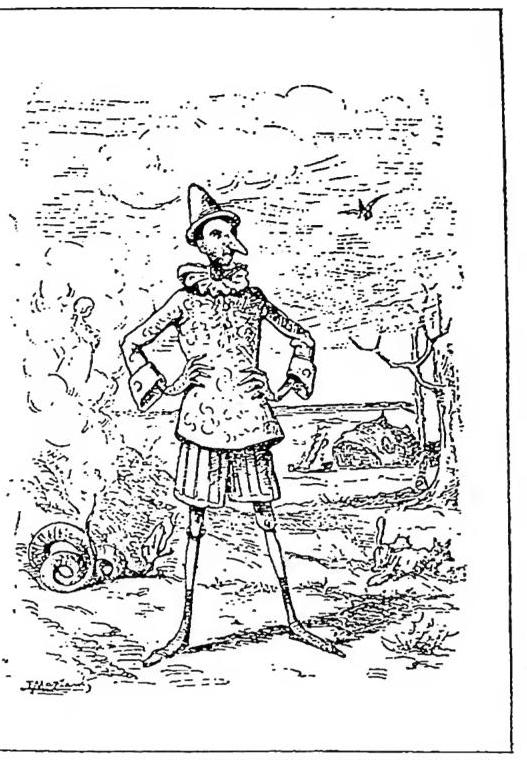
Having turned to journalism, he founded Il Lampione and La scaramuccia. In 1859 he enlisted as a volunteer in the 'Novara' cavalry regiment. After publishing various works for adults: I misteri di Firenze (novel), Macchiette (short stories), Occhi e naso (short stories), Note gaie (articles), etc., he dedicated himself to children's literature. In 1881 he began to publish, in installments in the Giornale dei bambini, Le avventure di Pinocchio, which met with extraordinary success and have been translated into almost all languages. Such widespread fortune, in addition to artistic merits, is due to that sententious and good-natured morality expressed in a tone between skeptical and judicious. The moral lesson of Pinocchio's fable does not degenerate into sterile preceptism, because C. succeeds, almost unconsciously, in inserting his fantasy into the movement and sense of truth. For youth C. also wrote: Giannettino, Minuzzolo, Storie allegre e altri racconti, always with educational aims and a touch of humor. He also adapted the Racconti delle fate by Charles Perrault.