
KLEIST, HEINRICH von. - German playwright, b. at Königsberg on
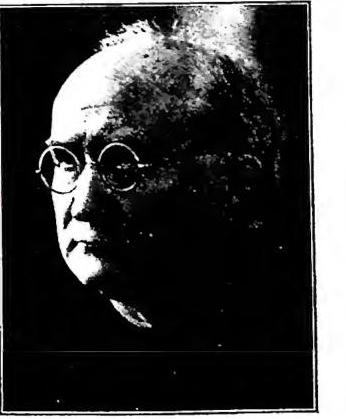
Having discovered within himself a vocation for poetry, he wrote, over a period of time, two comedies: Der zerbrochene Krug, a long-winded farce of little artistic value, and Amphitryon, a reworking of Molière's comedy of the same name; several stories of singular originality and dramatic power, among them Michael Kohlhaas; and six dramas, upon which the poet's fame chiefly rests. Die Familie Schroffenstein is the tragedy of irrational life born from the impossibility for men to understand one another; Robert Guiskard is the tragedy of titanism, in which the man of genius succumbs to the caprice of chance; Penthesilea is the tragedy of shackled love, Kleist's masterpiece in dark and fearful tones, at times marked by dazzlingly brilliant lights; Käthchen von Heilbronn, a dramatized fairy tale; Die Hermannsschlacht, the drama of furor teutonicus; and finally Der Prinz von Homburg, in which the complete dedication of the individual to the supreme needs of the State is exalted during one of the most calamitous periods for the nation's life. K. is the tragic man of Romanticism, driven to clash against insurmountable reality or to delve into the mysterious realm of life to discover new aspects within it, from which tragic and fearful events are generated. His moral conception is a logical consequence of his Weltanschauung: "if nothing stable and objective exists in the world, then neither is there anything that is absolutely evil"; and from this arises his proud presumption to replace divine law with his own morality. It was therefore inevitable that as the poet felt himself sinking into the abyss of his own despair, his tragic vision of life grew ever darker, until he deluded himself into finding peace of mind in suicide.