
LEGAZIONI

LEGAZIONI. - Il sommo pontefice Clemente XI (1701-21), nel riordinamento dello Stato, al quale provvide, malgrado le gravissime vicende da esso
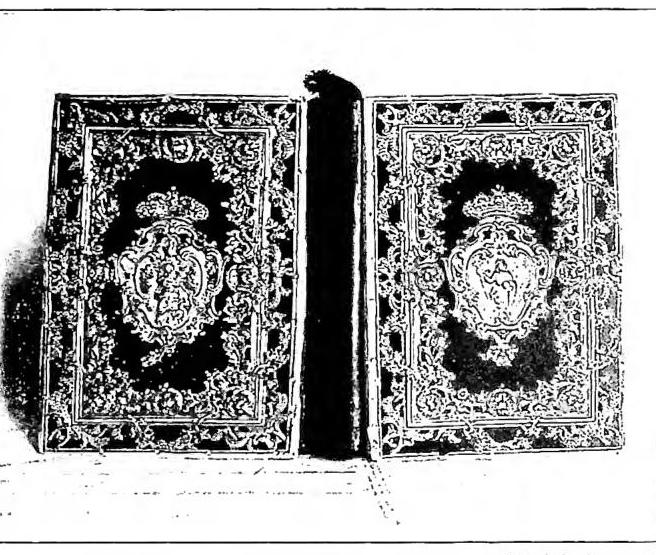
Article illustration
(Int. Gsh. fat. naz)

grande maggioranza, permanentemente, rappresentanti dei vari governi civili (v. CORPO DIPLOMATICO). Ciò ha continuato a verificarsi anche durante il periodo in cui (tra il 1870 ed il 1929) non esisteva, in fatto, il regime temporale; e, malgrado le negazioni di una parte della

1037 LEGAZIONI - LEGER ANTONIO E GIOVANNI

subite, divise il territorio a lui soggetto in 12 province, a capo delle quali stavano, in generale, dei governatori: di queste però le quattro maggiori dovevano essere rette da cardinali-legati: cioè quelle di Bologna, Ferrara, Romagna, Pesaro ed Urbino. Questo ordinamento fu più volte mutato. Così, dopo la restaurazione, avvenuta in seguito al crollo dell'Impero napoleonico, le province, secondo la riforma di Leone XII, crebbero a 21 e alle 1. precedenti si aggiunsero quella di Forlì e quella di Velletri. Dopo il periodo rivoluzionario degli a.a. 1848-1849, invece, il numero delle 1. fu di nuovo ridotto a quattro, ma con diversa estensione, perché quella di Bologna abbracciava anche la Romagna e Ferrara, quella d'Urbino (il cui legato risiedeva però ordinariamente a Pesaro), s'estendeva a tutte le Marche, quella di Perugia all'Umbria, mentre a quella di Velletri era soggetto il Lazio meridionale.

Il titolo di legato aveva, com'è noto, più significati e già il De Luca, nella sua opera Il cardinale pratico, ben chiarì tali diversità. Quanto all'attribuzione di questa qualifica a cardinali inviati dai sommi pontefici nei loro territori con importanti funzioni di governo, ce n'è già esempio nelle Costituzioni Egidiane nel sec. XIV, sicché Clemente XI rinnovò un titolo che era già in uso nella Chiesa. I cardinali-legati ricevevano dal pontefice l'incarico di reggere la loro 1., ad eccezione di quella di Velletri, della quale il relativo presule era legato-nato. Nelle loro mani si raccoglieva la somma dei poteri politico-amministrativi ed in certi casi il papa deferiva loro anche particolari potestà, come, ad es., quella di creare conti palatini e cavalieri della milizia ariata. In linea generale, i cardinali-legati provvedevano alla nomina dei preposti all'amministrazione dei comuni, salvo quei casi nei quali ad essi provvedeva direttamente il pontefice: però era sempre sentito il parere del legato. A quest'ultimo spettava pure la prima nomina dei consigli dei comuni, che poi si rinnovavano per un terzo con elezione fatta dagli stessi consiglieri, secondo l'antica prassi medievale.

La 1., come le altre province pontificali, si divideva in distretti ai quali erano preposti dei governatori. Questa circoscrizione era generalmente assai vasta: così il territorio della 1. di Ferrara era diviso nei soli due distretti di Ferrara e di Lugo. Dal governatore dipendevano i comuni maggiorenni, retti, come preposto, da un gonfaloniere ed i minori retti da un priore e così pure gli appodiati.

Il cardinale-legato era assistito nel suo governo da una «congregazione», composta da quattro consultori laici, nominati dal sommo pontefice, con particolare competenza per la parte finanziaria. Il legato poteva poi consultare la congregazione su qualsiasi altro oggetto. V'era inoltre, dopo la restaurazione, in ogni 1. un consiglio provinciale. I membri di tale consiglio erano nominati dal pontefice che li sceglieva in terne, proposte con una elezione di secondo grado dai consigli comunali. Il consiglio era convocato dal legato una volta l'anno, per una sessione che durava alcuni giorni, con il compito d'esaminare il bilancio provinciale e di determinare il riparto della spesa che gravava sui comuni. Esso nominava poi una commissione amministrativa che soprintendeva alle riscossioni ed alla spesa.

Non di rado i cardinali-legati si facevano assistere, in determinati affari, da persone di loro fiducia. Avvenne così che mons. Braschi, divenuto più tardi papa con il nome di Pio VI, mentre stava a Ravenna ed a Ferrara diede ad Ignazio Boncompagni il compito di promuovere le bonifiche nei relativi territori, e quando poi fu assunto alla porpora e gli fu affidata dal Sommo Pontefice la 1. di Bologna deputò lo stesso Boncompagni a tracciare un piano d'ardire riforme dell'ordinamento amministrativo, assai antiquato, della città: progetto che però non fu attuato.

Il papato perdette le 1. nel periodo napoleonico, ancor prima di perdere tutto lo Stato, ciò che avvenne nel 1809 per un colpo di violenza dell'Imperatore. Con la restaurazione fu ristabilito in gran parte l'antico ordinamento delle province, ma furono tutte le franchigie municipali e si volle imitare il sistema d'accertamento dei poteri, istituito da Napoleone: ciò che, del resto, avvenne anche negli altri Stati italiani. Era inevitabile che questa linea di condotta dovesse generare malcontento e fosse una delle molte cause d'inquietudine di talune regioni dello Stato della Chiesa nel periodo 1825-31. I cardinali-legati si trovavano di frequente in condizioni molto difficili, tanto più che alcuni fra essi non erano, per la stessa loro carriera precedente, preparati ad un così vasto ed arduo compito e lasciarono mano libera a sottoposti, talvolta poco scrupolosi. Non pochi però seppero, al contrario, meritare l'affetto e la gratitudine delle popolazioni da essi amministrate, come i card. Opizzoni, Amat di S. Filippo, Spina, Malvasia, Arezzo ed altri i cui meriti furono riconosciuti anche da scrittori che pur sottoposero a forti critiche il sistema di governo dello Stato della Chiesa nel periodo che precedette la rivoluzione del 1848-49. Alla difficoltà interne s'aggiunsero poi, dopo lo scoppio rivoluzionario del 1831, anche i contrasti fra Austria e Francia che portarono all'occupazione delle 1. di Ferrara e Bologna da parte della prima e delle Marche da parte della seconda. Il memorandum inviato al sommo pontefice Gregorio XVI dalle potenze, dopo quei fatti, denunciava imperfezioni nell'amministrazione e nell'esercizio della giustizia e chiedeva riforme in questi campi e una larga autonomia nell'ordinamento municipale. Parecchie furono attuate e il governo delle 1. fu affidato così per alcuni anni a laici, ma poi si ritornò allo status quo ante che perduò quasi inalterato, malgrado le richieste contenute nel cosiddetto «manifesto di Rimini» steso nel 1845 da L. C. Farini, sino agli sconvolgimenti degli aa. 1848-49; le riforme furono poi riprese e perfezionate da Pio IX fra il 1850 e il 1859, dopo di che le 1. passarono a far parte del nuovo Regno d'Italia (1861).

BIBLIOGRAFIA

BIBLIOGRAFIA

BIBLIOGRAFIA

BIBLIOGRAFIA

BIBLIOGRAFI

BIBLIOGRAFIA

BIBLIOGRAFIA

BIBLIOGRAFIA

BIBLIOGRAPIA

BIBLIOGRAFIA

BIBLIOGRAFIA

BIBLIOGRAFIA

BIBLIOGRAFIA

BIBLIGRAFIA

BIBLIOGRAFIA

BIBLIOGRAFIA

BIBLIOGRAFIA

BIBLIOGRAFIA

BIBLIOGRAFIA

BIBLIOGRAFIA

BIBLIOGRAFIA

BIBLIOGRAFIA

BIBLOGRAFIA

BIBLIOGRAFIA

BIBLIOGRAFIA

BIBLIOGRAFIA

BIOGRAFIA

BIBLIOGRAFIA

BIBLIOGRAFIA

BIBLIOGRAFIA

BIOLOGRAFIA

BIBLIOGRAFIA

BIBLIOGRAFIA

BIBLIOGRAFIA

BIBLIOGRAFIA

BIBLOGRAFIA

BIBLIOGRAFIA

BIBLIOGRAFIA

BIBLIOGRAFIA

BIOGRAFIA

BIBLIOGRAFIA

BIBLIOGRAFIA

BIBLIOGRAFIA

BIOLOGRAFIA

BIBLIOGRAFIA

BIBLIOGRAFIA

BIBLIOGRAFIA

BIBLIOGRAFIA

BIBLOGRAFIA

BIBLIOGRAFIA

BIBLIOGRAFIA

BIBLIOGRAFIA

BIOGRAFIA

BIBLIOGRAFIA

BIBLIOGRAFIA

BIBLIOGRAFIA

BIOLOGRAFIA

BIBLIOGRAFIA

BIBLIOGRAFIA

BIBLIOGRAFIA

BIBLIOGRAFIA

BIBLOGRAFIA

BIBLIOGRAFIA

BIBLIOGRAFIA

BIBLIOGRAFIA

BIOGRAFIA

BIBLIOGRAFIA

BIBLIOGRAFIA

BIBLIOGRAFIA

BIOLOGRAFIA

BIBLIOGRAFIA

BIBLIOGRAFIA

BIBLIOGRAFIA

BIBLIOGRAFIA

BIBLOGRAFIA

BIBLIOGRAFIA

BIBLIOGRAFIA

BIBLIOGRAFIA

BIOGRAFIA

BIBLIOGRAFIA

BIBLIOGRAFIA

BIBLIOGRAFIA

BIOLOGRAFIA

BIBLIOGRAFIA

BIBLIOGRAFIA

BIBLIOGRAFIA

BIBLIOGRAFIA

BIBLOGRAFIA

BIBLIOGRAFIA

BIBLIOGRAFIA

BIBLIOGRAFIA

BIOGRAFIA

BIBLIOGRAFIA

BIBLIOGRAFIA

BIBLIOGRAFIA

BIOLOGRAFIA

BIBLIOGRAFIA

BIBLIOGRAFIA

BIBLIOGRAFIA

BIBLIOGRAFIA

BIBLOGRAFIA

BIBLIOGRAFIA

BIBLIOGRAFIA

BIBLIOGRAFIA

BIOGRAFIA

BIBLIOGRAFIA

BIBLIOGRAFIA

BIBLIOGRAFIA

BIOLOGRAFIA

BIBLIOGRAFIA

BIBLIOGRAFIA

BIBLIOGRAFIA

BIBLIOGRAFIA

BIBLOGRAFIA

BIBLIOGRAFIA

BIBLIOGRAFIA

BIBLIOGRAFIA

BIOGRAFIA

BIBLIOGRAFIA

BIBLIOGRAFIA

BIBLIOGRAFIA

BIOLOGRAFIA

BIBLIOGRAFIA

BIBLIOGRAFIA

BIBLIOGRAFIA

BIBLIOGRAFIA

BIBLOGRAFIA

BIBLIOGRAFIA

BIBLIOGRAFIA

BIBLIOGRAFIA

BIOGRAFIA

BIBLIOGRAFIA

BIBLIOGRAFIA

BIBLIOGRAFIA

BIOLOGRAFIA

BIBLIOGRAFIA

BIBLIOGRAFIA

BIBLIOGRAFIA

BIBLIOGRAFIA

BIBLOGRAFIA

BIBLIOGRAFIA

BIBLIOGRAFIA

BIBLIOGRAFIA

BIOGRAFIA

BIBLIOGRAFIA

BIBLIOGRAFIA

BIBLIOGRAFIA

BIOLOGRAFIA

BIBLIOGRAFIA

BIBLIOGRAFIA

BIBLIOGRAFIA

BIBLIOGRAFIA

BIBLOGRAFIA

BIBLIOGRAFIA

BIBLIOGRAFIA

BIBLIOGRAFIA

BIOGRAFIA

BIBLIOGRAFIA

BIBLIOGRAFIA

BIBLIOGRAFIA

BIOLOGRAFIA

BIBLIOGRAFIA

BIBLIOGRAFIA

BIBLIOGRAFIA

BIBLIOGRAFIA

BIBLOGRAFIA

BIBLIOGRAFIA

BIBLIOGRAFIA

BIBLIOGRAFIA

BIOGRAFIA

BIBLIOGRAFIA

BIBLIOGRAFIA

BIBLIOGRAFIA

BIOLOGRAFIA

BIBLIOGRAFIA

BIBLIOGRAFIA

BIBLIOGRAFIA

BIBLIOGRAFIA

BIBLOGRAFIA

BIBLIOGRAFIA

BIBLIOGRAFIA

BIBLIOGRAFIA

BIOGRAFIA

BIBLIOGRAFIA

BIBLIOGRAFIA

BIBLIOGRAFIA

BIOLOGRAFIA

BIBLIOGRAFIA

BIBLIOGRAFIA

BIBLIOGRAFIA

BIBLIOGRAFIA

BIBLOGRAFIA

BIBLIOGRAFIA

BIBLIOGRAFIA

BIBLIOGRAFIA

BIOGRAFIA

BIBLIOGRAFIA

BIBLIOGRAFIA

BIBLIOGRAFIA

BIOLOGRAFIA

BIBLIOGRAFIA

BIBLIOGRAFIA

BIBLIOGRAFIA

BIBLIOGRAFIA

BIBLOGRAFIA

BIBLIOGRAFIA

BIBLIOGRAFIA

BIBLIOGRAFIA

BIOGRAFIA

BIBLIOGRAFIA

BIBLIOGRAFIA

BIBLIOGRAFIA

BIOLOGRAFIA

BIBLIOGRAFIA

BIBLIOGRAFIA

BIBLIOGRAFIA

BIBLIOGRAFIA

BIBLOGRAFIA

BIBLIOGRAFIA

BIBLIOGRAFIA

BIBLIOGRAFIA

BIOGRAFIA

BIBLIOGRAFIA

BIBLIOGRAFIA

BIBLIOGRAFIA

BIOLOGRAFIA

BIBLIOGRAFIA

BIBLIOGRAFIA

BIBLIOGRAFIA

BIBLIOGRAFIA

BIBLOGRAFIA

BIBLIOGRAFIA

BIBLIOGRAFIA

BIBLIOGRAFIA

BIOGRAFIA

BIBLIOGRAFIA

BIBLIOGRAFIA

BIBLIOGRAFIA

BIOLOGRAFIA

BIBLIOGRAFIA

BIBLIOGRAFIA

BIBLIOGRAFIA

BIBLIOGRAFIA

BIBLOGRAFIA

BIBLIOGRAFIA

BIBLIOGRAFIA

BIBLIOGRAFIA

BIOGRAFIA

BIBLIOGRAFIA

BIBLIOGRAFIA

BIBLIOGRAFIA

BIOLOGRAFIA

BIBLIOGRAFIA

BIBLIOGRAFIA

BIBLIOGRAFIA

BIBLIOGRAFIA

BIBLOGRAFIA

BIBLIOGRAFIA

BIBLIOGRAFIA

BIBLIOGRAFIA

BIOGRAFIA

BIBLIOGRAFIA

BIBLIOGRAFIA

BIBLIOGRAFIA

BIOLOGRAFIA

BIBLIOGRAFIA

BIBLIOGRAFIA

BIBLIOGRAFIA

BIBLIOGRAFIA

BIBLOGRAFIA

BIBLIOGRAFIA

BIBLIOGRAFIA

BIBLIOGRAFIA

BIOGRAFIA

BIBLIOGRAFIA

BIBLIOGRAFIA

BIBLIOGRAFIA

BIOLOGRAFIA

BIBLIOGRAFIA

BIBLIOGRAFIA

BIBLIOGRAFIA

BIBLIOGRAFIA

BIBLOGRAFIA

BIBLIOGRAFIA

BIBLIOGRAFIA

BIBLIOGRAFIA

BIOGRAFIA

BIBLIOGRAFIA

BIBLIOGRAFIA

BIBLIOGRAFIA

BIOLOGRAFIA

BIBLIOGRAFIA

BIBLIOGRAFIA

BIBLIOGRAFIA

BIBLIOGRAFIA

BIBLOGRAFIA

BIBLIOGRAFIA

BIBLIOGRAFIA

BIBLIOGRAFIA

BIOGRAFIA

BIBLIOGRAFIA

BIBLIOGRAFIA

BIBLIOGRAFIA

BIOLOGRAFIA

BIBLIOGRAFIA

BIBLIOGRAFIA

BIBLIOGRAFIA

BIBLIOGRAFIA

BIBLOGRAFIA

BIBLIOGRAFIA

BIBLIOGRAFIA

BIBLIOGRAFIA

BIOGRAFIA

BIBLIOGRAFIA

BIBLIOGRAFIA

BIBLIOGRAFIA

BIOLOGRAFIA

BIBLIOGRAFIA

BIBLIOGRAFIA

BIBLIOGRAFIA

BIBLIOGRAFIA

BIBLOGRAFIA

BIBLIOGRAFIA

BIBLIOGRAFIA

BIBLIOGRAFIA

BIOGRAFIA

BIBLIOGRAFIA

BIBLIOGRAFIA

BIBLIOGRAFIA

BIOLOGRAFIA

BIBLIOGRAFIA

BIBLIOGRAFIA

BIBLIOGRAFIA

BIBLIOGRAFIA

BIBLOGRAFIA

BIBLIOGRAFIA

BIBLIOGRAFIA

BIBLIOGRAFIA

BIOGRAFIA

BIBLIOGRAFIA

BIBLIOGRAFIA

BIBLIOGRAFIA

BIOLOGRAFIA

BIBLIOGRAFIA

BIBLIOGRAFIA

BIBLIOGRAFIA

BIBLIOGRAFIA

BIBLOGRAFIA

BIBLIOGRAFIA

BIBLIOGRAFIA

BIBLIOGRAFIA

BIOGRAFIA

BIBLIOGRAFIA

BIBLIOGRAFIA

BIBLIOGRAFIA

BIOLOGRAFIA

BIBLIOGRAFIA

BIBLIOGRAFIA

BIBLIOGRAFIA

BIBLIOGRAFIA

BIBLOGRAFIA

BIBLIOGRAFIA

BIBLIOGRAFIA

BIBLIOGRAFIA

BIOGRAFIA

BIBLIOGRAFIA

BIBLIOGRAFIA

BIBLIOGRAFIA

BIOLOGRAFIA

BIBLIOGRAFIA

BIBLIOGRAFIA

BIBLIOGRAFIA

BIBLIOGRAFIA

BIBLOGRAFIA

BIBLIOGRAFIA

BIBLIOGRAFIA

BIBLIOGRAFIA

BIOGRAFIA

BIBLIOGRAFIA

BIBLIOGRAFIA

BIBLIOGRAFIA

BIOLOGRAFIA

BIBLIOGRAFIA

BIBLIOGRAFIA

BIBLIOGRAFIA

BIBLIOGRAFIA

BIBLOGRAFIA

BIBLIOGRAFIA

BIBLIOGRAFIA

BIBLIOGRAFIA

BIOGRAFIA

BIBLIOGRAFIA

BIBLIOGRAFIA

BIBLIOGRAFIA

BIOLOGRAFIA

BIBLIOGRAFIA

BIBLIOGRAFIA

BIBLIOGRAFIA

BIBLIOGRAFIA

BIBLOGRAFIA

BIBLIOGRAFIA

BIBLIOGRAFIA

BIBLIOGRAFIA

BIOGRAFIA

BIBLIOGRAFIA

BIBLIOGRAFIA

BIBLIOGRAFIA

BIOLOGRAFIA

BIBLIOGRAFIA

BIBLIOGRAFIA

BIBLIOGRAFIA

BIBLIOGRAFIA

BIBLOGRAFIA

BIBLIOGRAFIA

BIBLIOGRAFIA

BIBLIOGRAFIA

BIOGRAFIA

BIBLIOGRAFIA

BIBLIOGRAFIA

BIBLIOGRAFIA

BIOLOGRAFIA

BIBLIOGRAFIA

BIBLIOGRAFIA

BIBLIOGRAFIA

BIBLIOGRAFIA

BIBLOGRAFIA

BIBLIOGRAFIA

BIBLIOGRAFIA

BIBLIOGRAFIA

BIOGRAFIA

BIBLIOGRAFIA

BIBLIOGRAFIA

BIBLIOGRAFIA

BIOLOGRAFIA

BIBLIOGRAFIA

BIBLIOGRAFIA

BIBLIOGRAFIA

BIBLIOGRAFIA

BIBLOGRAFIA

BIBLIOGRAFIA

BIBLIOGRAFIA

BIBLIOGRAFIA

BIOGRAFIA

BIBLIOGRAFIA

BIBLIOGRAFIA

BIBLIOGRAFIA

BIOLOGRAFIA

BIBLIOGRAFIA

BIBLIOGRAFIA

BIBLIOGRAFIA

BIBLIOGRAFIA

BIBLOGRAFIA

BIBLIOGRAFIA

BIBLIOGRAFIA

BIBLIOGRAFIA

BIOGRAFIA

BIBLIOGRAFIA

BIBLIOGRAFIA

BIBLIOGRAFIA

BIOLOGRAFIA

BIBLIOGRAFIA

BIBLIOGRAFIA

BIBLIOGRAFIA

BIBLIOGRAFIA

BIBLOGRAFIA

BIBLIOGRAFIA

BIBLIOGRAFIA

BIBLIOGRAFIA

BIOGRAFIA

BIBLIOGRAFIA

BIBLIOGRAFIA

BIBLIOGRAFIA

BIOLOGRAFIA

BIBLIOGRAFIA

BIBLIOGRAFIA

BIBLIOGRAFIA

BIBLIOGRAFIA

BIBLOGRAFIA

BIBLIOGRAFIA

BIBLIOGRAFIA

BIBLIOGRAFIA

BIOGRAFIA

BIBLIOGRAFIA

BIBLIOGRAFIA

BIBLIOGRAFIA

BIOLOGRAFIA

BIBLIOGRAFIA

BIBLIOGRAFIA

BIBLIOGRAFIA

BIBLIOGRAFIA

BIBLOGRAFIA

BIBLIOGRAFIA

BIBLIOGRAFIA

BIBLIOGRAFIA

BIOGRAFIA

BIBLIOGRAFIA

BIBLIOGRAFIA

BIBLIOGRAFIA

BIOLOGRAFIA

BIBLIOGRAFIA

BIBLIOGRAFIA

BIBLIOGRAFIA

BIBLIOGRAFIA

BIBLOGRAFIA

BIBLIOGRAFIA

BIBLIOGRAFIA

BIBLIOGRAFIA

BIOGRAFIA

BIBLIOGRAFIA

BIBLIOGRAFIA

BIBLIOGRAFIA

BIOLOGRAFIA

BIBLIOGRAFIA

BIBLIOGRAFIA

BIBLIOGRAFIA

BIBLIOGRAFIA

BIBLOGRAFIA

BIBLIOGRAFIA

BIBLIOGRAFIA

BIBLIOGRAFIA

BIOGRAFIA

BIBLIOGRAFIA

BIBLIOGRAFIA

BIBLIOGRAFIA

BIOLOGRAFIA

BIBLIOGRAFIA

BIBLIOGRAFIA

BIBLIOGRAFIA

BIBLIOGRAFIA

BIBLOGRAFIA

BIBLIOGRAFIA

BIBLIOGRAFIA

BIBLIOGRAFIA

BIOGRAFIA

BIBLIOGRAFIA

BIBLIOGRAFIA

BIBLIOGRAFIA

BIOLOGRAFIA

BIBLIOGRAFIA

BIBLIOGRAFIA

BIBLIOGRAFIA

BIBLIOGRAFIA

BIBLOGRAFIA

BIBLIOGRAFIA

BIBLIOGRAFIA

BIBLIOGRAFIA

BIOGRAFIA

BIBLIOGRAFIA

BIBLIOGRAFIA

BIBLIOGRAFIA

BIOLOGRAFIA

BIBLIOGRAFIA

BIBLIOGRAFIA

BIBLIOGRAFIA

BIBLIOGRAFIA

BIBLOGRAFIA

BIBLIOGRAFIA

BIBLIOGRAFIA

BIBLIOGRAFIA

BIOGRAFIA

BIBLIOGRAFIA

BIBLIOGRAFIA

BIBLIOGRAFIA

BIOLOGRAFIA

BIBLIOGRAFIA

BIBLIOGRAFIA

BIBLIOGRAFIA

BIBLIOGRAFIA

BIBLOGRAFIA

BIBLIOGRAFIA

BIBLIOGRAFIA

BIBLIOGRAFIA

BIOGRAFIA

BIBLIOGRAFIA

BIBLIOGRAFIA

BIBLIOGRAFIA

BIOLOGRAFIA

BIBLIOGRAFIA

BIBLIOGRAFIA

BIBLIOGRAFIA

BIBLIOGRAFIA

BIBLOGRAFIA

BIBLIOGRAFIA

BIBLIOGRAFIA

BIBLIOGRAFIA

BIOGRAFIA

BIBLIOGRAFIA

BIBLIOGRAFIA

BIBLIOGRAFIA

BIOLOGRAFIA

BIBLIOGRAFIA

BIBLIOGRAFIA

BIBLIOGRAFIA

BIBLIOGRAFIA

BIBLOGRAFIA

BIBLIOGRAFIA

BIBLIOGRAFIA

BIBLIOGRAFIA

BIOGRAFIA

BIBLIOGRAFIA

BIBLIOGRAFIA

BIBLIOGRAFIA

BIOLOGRAFIA

BIBLIOGRAFIA

BIBLIOGRAFIA

BIBLIOGRAFIA

BIBLIOGRAFIA

BIBLOGRAFIA

BIBLIOGRAFIA

BIBLIOGRAFIA

BIBLIOGRAFIA

BIOGRAFIA

BIBLIOGRAFIA

BIBLIOGRAFIA

BIBLIOGRAFIA

BIOLOGRAFIA

BIBLIOGRAFIA

BIBLIOGRAFIA

BIBLIOGRAFIA

BIBLIOGRAFIA

BIBLOGRAFIA

BIBLIOGRAFIA

BIBLIOGRAFIA

BIBLIOGRAFIA

BIOGRAFIA

BIBLIOGRAFIA

BIBLIOGRAFIA

BIBLIOGRAFIA

BIOLOGRAFIA

BIBLIOGRAFIA

BIBLIOGRAFIA

BIBLIOGRAFIA

BIBLIOGRAFIA

BIBLOGRAFIA

BIBLIOGRAFIA

BIBLIOGRAFIA

BIBLIOGRAFIA

BIOGRAFIA

BIBLIOGRAFIA

BIBLIOGRAFIA

BIBLIOGRAFIA

BIOLOGRAFIA

BIBLIOGRAFIA

BIBLIOGRAFIA

BIBLIOGRAFIA

BIBLIOGRAFIA

BIBLOGRAFIA

BIBLIOGRAFIA

BIBLIOGRAFIA

BIBLIOGRAFIA

BIOGRAFIA

BIBLIOGRAFIA

BIBLIOGRAFIA

BIBLIOGRAFIA

BIOLOGRAFIA

BIBLIOGRAFIA

BIBLIOGRAFIA

BIBLIOGRAFIA

BIBLIOGRAFIA

BIBLOGRAFIA

BIBLIOGRAFIA

BIBLIOGRAFIA

BIBLIOGRAFIA

BIOGRAFIA

BIBLIOGRAFIA

BIBLIOGRAFIA

BIBLIOGRAFIA

BIOLOGRAFIA

BIBLIOGRAFIA

BIBLIOGRAFIA

BIBLIOGRAFIA

BIBLIOGRAFIA

BIBLOGRAFIA

BIBLIOGRAFIA

BIBLIOGRAFIA

BIBLIOGRAFIA

BIOGRAFIA

BIBLIOGRAFIA

BIBLIOGRAFIA

BIBLIOGRAFIA

BIOLOGRAFIA

BIBLIOGRAFIA

BIBLIOGRAFIA

BIBLIOGRAFIA

BIBLIOGRAFIA

BIBLOGRAFIA

BIBLIOGRAFIA

BIBLIOGRAFIA

BIBLIOGRAFIA

BIOGRAFIA

BIBLIOGRAFIA

BIBLIOGRAFIA

BIBLIOGRAFIA

BIOLOGRAFIA

BIBLIOGRAFIA

BIBLIOGRAFIA

BIBLIOGRAFIA

BIBLIOGRAFIA

BIBLOGRAFIA

BIBLIOGRAFIA

BIBLIOGRAFIA

BIBLIOGRAFIA

BIOGRAFIA

BIBLIOGRAFIA

BIBLIOGRAFIA

BIBLIOGRAFIA

BIOLOGRAFIA

BIBLIOGRAFIA

BIBLIOGRAFIA

BIBLIOGRAFIA

BIBLIOGRAFIA

BIBLOGRAFIA

BIBLIOGRAFIA

BIBLIOGRAFIA

BIBLIOGRAFIA

BIOGRAFIA

BIBLIOGRAFIA

BIBLIOGRAFIA

BIBLIOGRAFIA

BIOLOGRAFIA

BIBLIOGRAFIA

BIBLIOGRAFIA

BIBLIOGRAFIA

BIBLIOGRAFIA

BIBLOGRAFIA

BIBLIOGRAFIA

BIBLIOGRAFIA

BIBLIOGRAFIA

BIOGRAFIA

BIBLIOGRAFIA

BIBLIOGRAFIA

BIBLIOGRAFIA

BIOLOGRAFIA

BIBLIOGRAFIA

BIBLIOGRAFIA

BIBLIOGRAFIA

BIBLIOGRAFIA

B

fuggi in Francia il 27 apr. dove, lavorando con attività e audacia, non solo provocò, con le sue esagerazioni, l'indignazione del mondo protestante, ma fece sì che il Cromwell, il carnefice dei cattolici irlandesi, mandasse a Torino come suo commissario straordinario Samuele Moreland, per disporre il Duca in favore dei ribelli valdesi. Giovanni L. poté allora ritornare nelle valli e il 31 luglio del 1655 prese parte all'accordo di Pinerolo abbastanza favorevole ai valdesi. Nonostante tale accordo, il L. riprese in S. Giovanni a preparare una nuova insurrezione, che infatti scoppiò nel 1663-64.

Accusato di gravissimi misfatti e condannato a morte, Giovanni riparò all'estero nel 1661.

Sua opera è la famosa Histoire générale des Eglises évangéliques des vallées de Piémont ou vaudoises. (Leida 1669). Di questa storia, almeno per quanto riguarda le Pasque piemonte-si, gli scrittori protestanti e soprattutto valdesi hanno una stima altissima, ritenendo tutto ciò che vi è narrato verità indiscutibile. Ma il Botta la chiama «narrazione bugiardissima», il Claretta la dice «piena zeppa di fole e menzogne»; ed il celebre e voluminoso manoscritto di Torino Histoire véritable des vallées du Piémont, citato dal Claretta, dal Melia, dal Perrone, ecc., nota che «Giovanni L. ha riempito il suo grosso volume di calunnie e di cose false e di favole astutamente inventate». La storia di Giovanni L. quindi va considerata come una apologia dei valdesi poveramente fatta, scandalosamente esagerata e così unilaterale da far dubitare anche delle poche cose vere che essa può contenere.

Article illustration
Legge - Mosè riceve le tavole della l.; lettura dall'altare al popolo, tabernacolo; Mosè, Giosuè, Aromée, Nadib, Abiu. Ministrura del Pentatricio di Ashburnam (sec. viI) - Parigi, Biblioteca nazionale, Nouv. Acquisit. let. 2334.

ta, scandalosamente esagerata e così unilaterale da far dubitare anche delle poche cose vere che essa può contenere.

BIBL.: S. Moreland, The history of the Evangelical Churches of the Valleys of Piemont, Londra 1658, passim; C. Botta, Storia d'Italia, I, Palermo 1833, p. 522 sgg.; A. Bazzoni, La reggenza di Maria Cristina, Torino 1865, p. 342 sgg.; P. Melia, The origin, persecutions and doctrines of the Waldenses, Londra 1870, pp. 51-83; G. Perrone, I valdesi primitivi, mediani e con-temporanei, Torino 1871, pp. 141-64; G. Claretta, Storia del regno e dei tempi di Carlo Emanuele II, I, Genova 1877, pp. 80-164, 383-434; E. Comba, Storia dei valdesi, Torre Pellice 1930, pp. 191-205; C. Crivelli, I protestanti in Italia, II, Isola del Liri 1938, pp. 12-24.