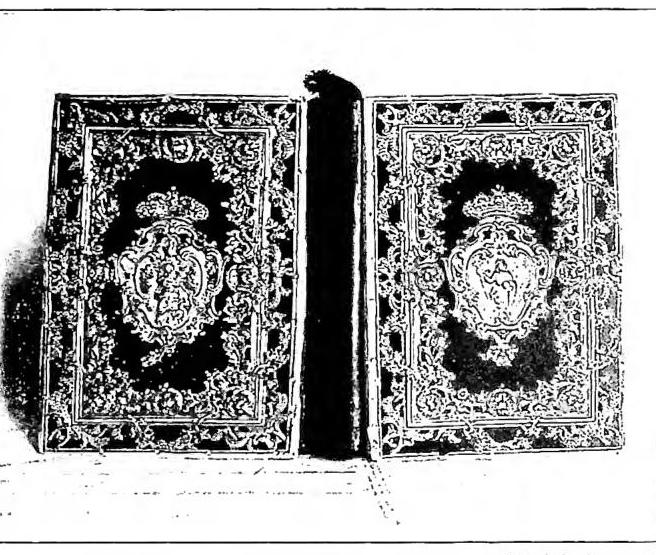
LEGATIONS. – Pope Clement XI (1701–21), in reorganizing the State, to which he devoted himself despite the most serious events it underwent, divided the territory subject to him into twelve provinces, generally headed by governors; however, four of the larger provinces were to be governed by cardinal-legates: namely, those of Bologna, Ferrara, Romagna, and Pesaro with Urbino. This organization was altered several times. Thus, after the restoration following the collapse of the Napoleonic Empire, the provinces, according to the reform of Leo XII, increased to twenty-one, and to the previous ones were added those of Forlì and Velletri. After the revolutionary period of 1848–49, the number of legations was again reduced to four, but with different extensions: that of Bologna included Romagna and Ferrara; that of Urbino (whose legate, however, usually resided in Pesaro) extended to all the Marches; that of Perugia to Umbria; and that of Velletri to southern Lazio.
The title of legate had, as is well known, several meanings, and De Luca already clarified these distinctions in his work *Il cardinale pratico*. As for the attribution of this title to cardinals sent by the Supreme Pontiffs to their territories with important governing functions, there is already an example in the Egidian Constitutions of the fourteenth century, so that Clement XI renewed a title that was already in use in the Church. The cardinal-legates received from the Pope the mandate to govern their legation, except for that of Velletri, whose prelate was a legate *nato*. In their hands was concentrated the sum of political-administrative powers, and in certain cases the Pope delegated to them special powers, such as, for example, the creation of counts palatine and knights of the Equestrian Order of the Golden Spur. In general, the cardinal-legates were responsible for appointing the officials in charge of the administration of the communes, except in cases where the Pope appointed them directly; however, the legate’s opinion was always sought. It was also the legate’s prerogative to make the first appointments to the councils of the communes, which were then renewed by one-third through elections held by the councillors themselves, following the ancient medieval practice.
The legation, like the other Papal provinces, was divided into districts headed by governors. This division was generally quite extensive: thus, the territory of the legation of Ferrara was divided into only two districts, those of Ferrara and Lugo. The governor had authority over the major communes, governed by a *gonfaloniere* as their head, and the smaller ones, governed by a *priore*, as well as the *appodiati*.
The cardinal-legate was assisted in his government by a “congregation” composed of four lay consultants, appointed by the Supreme Pontiff, with particular competence in financial matters. The legate could also consult the congregation on any other matter. Moreover, after the restoration, each legation had a provincial council. The members of this council were appointed by the Pope, who chose them from lists of three candidates proposed through a second-degree election by the communal councils. The council was convened by the legate once a year for a session lasting several days, with the task of examining the provincial budget and determining the apportionment of expenses borne by the communes. It then appointed an administrative commission that oversaw collections and expenditures.
Not infrequently, cardinal-legates were assisted in certain matters by trusted individuals. Thus, Monsignor Braschi, who later became Pope Pius VI, while stationed in Ravenna and Ferrara, entrusted Ignazio Boncompagni with the task of promoting land reclamation in those territories, and when he was later elevated to the purple and entrusted by the Supreme Pontiff with the legation of Bologna, he deputed the same Boncompagni to draw up a bold plan for administrative reforms in the city, which, however, was not implemented.
The Papacy lost the legations during the Napoleonic period, even before losing the entire State, which occurred in 1809 through a violent act by the Emperor. With the restoration, the ancient organization of the provinces was largely reestablished, but all municipal privileges were abolished, and the system of centralized power instituted by Napoleon was imitated—something that also occurred in the other Italian States. It was inevitable that this course of action should generate discontent and be one of the many causes of unrest in certain regions of the Papal State during the period 1825–31. The cardinal-legates often found themselves in very difficult conditions, especially since some of them, due to their previous careers, were not prepared for such a vast and arduous task and left free rein to subordinates, who were sometimes unscrupulous. Many, however, earned the affection and gratitude of the populations they governed, such as Cardinals Opizzoni, Amat di San Filippo, Spina, Malvasia, Arezzo, and others whose merits were recognized even by writers who subjected the system of government of the Papal State in the period preceding the revolution of 1848–49 to strong criticism. To the internal difficulties were then added, after the revolutionary outbreak of 1831, the conflicts between Austria and France, which led to the occupation of the legations of Ferrara and Bologna by the former and the Marches by the latter. The memorandum sent to Pope Gregory XVI by the powers after these events denounced imperfections in administration and the administration of justice and demanded reforms in these areas and broad autonomy in municipal organization. Several were implemented, and the government of the legations was entrusted for some years to laymen, but then the status quo ante was restored, which persisted almost unchanged despite the demands contained in the so-called “Manifesto of Rimini,” drafted in 1845 by L. C. Farini, until the upheavals of 1848–49. Reforms were then resumed and perfected by Pius IX between 1850 and 1859, after which the legations became part of the new Kingdom of Italy (1861).
BIBL.:
BIBLIOGRAFIA
BIBLIOGRAFIA
BIBLIOGRAFIA
BIOGRAFIA
BIBLIOGRAFIA
BIBLIOGRAFIA
BIBLIOGRAFIA
BIOLOGRAFIA
BIBLIOGRAFIA
BIBLIOGRAFIA
BIBLIOGRAFIA
BIBLIOGRAFIA
BIBLOGRAFIA
BIBLIOGRAFIA
BIBLIOGRAFIA
BIBLIOGRAFIA
BIOGRAFIA
BIBLIOGRAFIA
BIBLIOGRAFIA
BIBLIOGRAFIA
BIOLOGRAFIA
BIBLIOGRAFIA
BIBLIOGRAFIA
BIBLIOGRAFIA
BIBLIOGRAFIA
BIBLOGRAFIA
BIBLIOGRAFIA
BIBLIOGRAFIA
BIBLIOGRAFIA
BIOGRAFIA
BIBLIOGRAFIA
BIBLIOGRAFIA
BIBLIOGRAFIA
BIOLOGRAFIA
BIBLIOGRAFIA
BIBLIOGRAFIA
BIBLIOGRAFIA
BIBLIOGRAFIA
BIBLOGRAFIA
BIBLIOGRAFIA
BIBLIOGRAFIA
BIBLIOGRAFIA
BIOGRAFIA
BIBLIOGRAFIA
BIBLIOGRAFIA
BIBLIOGRAFIA
BIOLOGRAFIA
BIBLIOGRAFIA
BIBLIOGRAFIA
BIBLIOGRAFIA
BIBLIOGRAFIA
BIBLOGRAFIA
BIBLIOGRAFIA
BIBLIOGRAFIA
BIBLIOGRAFIA
BIOGRAFIA
BIBLIOGRAFIA
BIBLIOGRAFIA
BIBLIOGRAFIA
BIOLOGRAFIA
BIBLIOGRAFIA
BIBLIOGRAFIA
BIBLIOGRAFIA
BIBLIOGRAFIA
BIBLOGRAFIA
BIBLIOGRAFIA
BIBLIOGRAFIA
BIBLIOGRAFIA
BIOGRAFIA
BIBLIOGRAFIA
BIBLIOGRAFIA
BIBLIOGRAFIA
BIOLOGRAFIA
BIBLIOGRAFIA
BIBLIOGRAFIA
BIBLIOGRAFIA
BIBLIOGRAFIA
BIBLOGRAFIA
BIBLIOGRAFIA
BIBLIOGRAFIA
BIBLIOGRAFIA
BIOGRAFIA
BIBLIOGRAFIA
BIBLIOGRAFIA
BIBLIOGRAFIA
BIOLOGRAFIA
BIBLIOGRAFIA
BIBLIOGRAFIA
BIBLIOGRAFIA
BIBLIOGRAFIA
BIBLOGRAFIA
BIBLIOGRAFIA
BIBLIOGRAFIA
BIBLIOGRAFIA
BIOGRAFIA
BIBLIOGRAFIA
BIBLIOGRAFIA
BIBLIOGRAFIA
BIOLOGRAFIA
BIBLIOGRAFIA
BIBLIOGRAFIA
BIBLIOGRAFIA
BIBLIOGRAFIA
BIBLOGRAFIA
BIBLIOGRAFIA
BIBLIOGRAFIA
BIBLIOGRAFIA
BIOGRAFIA
BIBLIOGRAFIA
BIBLIOGRAFIA
BIBLIOGRAFIA
BIOLOGRAFIA
BIBLIOGRAFIA
BIBLIOGRAFIA
BIBLIOGRAFIA
BIBLIOGRAFIA
BIBLOGRAFIA
BIBLIOGRAFIA
BIBLIOGRAFIA
BIBLIOGRAFIA
BIOGRAFIA
BIBLIOGRAFIA
BIBLIOGRAFIA
BIBLIOGRAFIA
BIOLOGRAFIA
BIBLIOGRAFIA
BIBLIOGRAFIA
BIBLIOGRAFIA
BIBLIOGRAFIA
BIBLOGRAFIA
BIBLIOGRAFIA
BIBLIOGRAFIA
BIBLIOGRAFIA
BIOGRAFIA
BIBLIOGRAFIA
BIBLIOGRAFIA
BIBLIOGRAFIA
BIOLOGRAFIA
BIBLIOGRAFIA
BIBLIOGRAFIA
BIBLIOGRAFIA
BIBLIOGRAFIA
BIBLOGRAFIA
BIBLIOGRAFIA
BIBLIOGRAFIA
BIBLIOGRAFIA
BIOGRAFIA
BIBLIOGRAFIA
BIBLIOGRAFIA
BIBLIOGRAFIA
BIOLOGRAFIA
BIBLIOGRAFIA
BIBLIOGRAFIA
BIBLIOGRAFIA
BIBLIOGRAFIA
BIBLOGRAFIA
BIBLIOGRAFIA
BIBLIOGRAFIA
BIBLIOGRAFIA
BIOGRAFIA
BIBLIOGRAFIA
BIBLIOGRAFIA
BIBLIOGRAFIA
BIOLOGRAFIA
BIBLIOGRAFIA
BIBLIOGRAFIA
BIBLIOGRAFIA
BIBLIOGRAFIA
BIBLOGRAFIA
BIBLIOGRAFIA
BIBLIOGRAFIA
BIBLIOGRAFIA
BIOGRAFIA
BIBLIOGRAFIA
BIBLIOGRAFIA
BIBLIOGRAFIA
BIOLOGRAFIA
BIBLIOGRAFIA
BIBLIOGRAFIA
BIBLIOGRAFIA
BIBLIOGRAFIA
BIBLOGRAFIA
BIBLIOGRAFIA
BIBLIOGRAFIA
BIBLIOGRAFIA
BIOGRAFIA
BIBLIOGRAFIA
BIBLIOGRAFIA
BIBLIOGRAFIA
BIOLOGRAFIA
BIBLIOGRAFIA
BIBLIOGRAFIA
BIBLIOGRAFIA
BIBLIOGRAFIA
BIBLOGRAFIA
BIBLIOGRAFIA
BIBLIOGRAFIA
BIBLIOGRAFIA
BIOGRAFIA
BIBLIOGRAFIA
BIBLIOGRAFIA
BIBLIOGRAFIA
BIOLOGRAFIA
BIBLIOGRAFIA
BIBLIOGRAFIA
BIBLIOGRAFIA
BIBLIOGRAFIA
BIBLOGRAFIA
BIBLIOGRAFIA
BIBLIOGRAFIA
BIBLIOGRAFIA
BIOGRAFIA
BIBLIOGRAFIA
BIBLIOGRAFIA
BIBLIOGRAFIA
BIOLOGRAFIA
BIBLIOGRAFIA
BIBLIOGRAFIA
BIBLIOGRAFIA
BIBLIOGRAFIA
BIBLOGRAFIA
BIBLIOGRAFIA
BIBLIOGRAFIA
BIBLIOGRAFIA
BIOGRAFIA
BIBLIOGRAFIA
BIBLIOGRAFIA
BIBLIOGRAFIA
BIOLOGRAFIA
BIBLIOGRAFIA
BIBLIOGRAFIA
BIBLIOGRAFIA
BIBLIOGRAFIA
BIBLOGRAFIA
BIBLIOGRAFIA
BIBLIOGRAFIA
BIBLIOGRAFIA
BIOGRAFIA
BIBLIOGRAFIA
BIBLIOGRAFIA
BIBLIOGRAFIA
BIOLOGRAFIA
BIBLIOGRAFIA
BIBLIOGRAFIA
BIBLIOGRAFIA
BIBLIOGRAFIA
BIBLOGRAFIA
BIBLIOGRAFIA
BIBLIOGRAFIA
BIBLIOGRAFIA
BIOGRAFIA
BIBLIOGRAFIA
BIBLIOGRAFIA
BIBLIOGRAFIA
BIOLOGRAFIA
BIBLIOGRAFIA
BIBLIOGRAFIA
BIBLIOGRAFIA
BIBLIOGRAFIA
BIBLOGRAFIA
BIBLIOGRAFIA
BIBLIOGRAFIA
BIBLIOGRAFIA
BIOGRAFIA
BIBLIOGRAFIA
BIBLIOGRAFIA
BIBLIOGRAFIA
BIOLOGRAFIA
BIBLIOGRAFIA
BIBLIOGRAFIA
BIBLIOGRAFIA
BIBLIOGRAFIA
BIBLOGRAFIA
BIBLIOGRAFIA
BIBLIOGRAFIA
BIBLIOGRAFIA
BIOGRAFIA
BIBLIOGRAFIA
BIBLIOGRAFIA
BIBLIOGRAFIA
BIOLOGRAFIA
BIBLIOGRAFIA
BIBLIOGRAFIA
BIBLIOGRAFIA
BIBLIOGRAFIA
BIBLOGRAFIA
BIBLIOGRAFIA
BIBLIOGRAFIA
BIBLIOGRAFIA
BIOGRAFIA
BIBLIOGRAFIA
BIBLIOGRAFIA
BIBLIOGRAFIA
BIOLOGRAFIA
BIBLIOGRAFIA
BIBLIOGRAFIA
BIBLIOGRAFIA
BIBLIOGRAFIA
BIBLOGRAFIA
BIBLIOGRAFIA
BIBLIOGRAFIA
BIBLIOGRAFIA
BIOGRAFIA
BIBLIOGRAFIA
BIBLIOGRAFIA
BIBLIOGRAFIA
BIOLOGRAFIA
BIBLIOGRAFIA
BIBLIOGRAFIA
BIBLIOGRAFIA
BIBLIOGRAFIA
BIBLOGRAFIA
BIBLIOGRAFIA
BIBLIOGRAFIA
BIBLIOGRAFIA
BIOGRAFIA
BIBLIOGRAFIA
BIBLIOGRAFIA
BIBLIOGRAFIA
BIOLOGRAFIA
BIBLIOGRAFIA
BIBLIOGRAFIA
BIBLIOGRAFIA
BIBLIOGRAFIA
BIBLOGRAFIA
BIBLIOGRAFIA
BIBLIOGRAFIA
BIBLIOGRAFIA
BIOGRAFIA
BIBLIOGRAFIA
BIBLIOGRAFIA
BIBLIOGRAFIA
BIOLOGRAFIA
BIBLIOGRAFIA
BIBLIOGRAFIA
BIBLIOGRAFIA
BIBLIOGRAFIA
BIBLOGRAFIA
BIBLIOGRAFIA
BIBLIOGRAFIA
BIBLIOGRAFIA
BIOGRAFIA
BIBLIOGRAFIA
BIBLIOGRAFIA
BIBLIOGRAFIA
BIOLOGRAFIA
BIBLIOGRAFIA
BIBLIOGRAFIA
BIBLIOGRAFIA
BIBLIOGRAFIA
BIBLOGRAFIA
BIBLIOGRAFIA
BIBLIOGRAFIA
BIBLIOGRAFIA
BIOGRAFIA
BIBLIOGRAFIA
BIBLIOGRAFIA
BIBLIOGRAFIA
BIOLOGRAFIA
BIBLIOGRAFIA
BIBLIOGRAFIA
BIBLIOGRAFIA
BIBLIOGRAFIA
BIBLOGRAFIA
BIBLIOGRAFIA
BIBLIOGRAFIA
BIBLIOGRAFIA
BIOGRAFIA
BIBLIOGRAFIA
BIBLIOGRAFIA
BIBLIOGRAFIA
BIOLOGRAFIA
BIBLIOGRAFIA
BIBLIOGRAFIA
BIBLIOGRAFIA
BIBLIOGRAFIA
BIBLOGRAFIA
BIBLIOGRAFIA
BIBLIOGRAFIA
BIBLIOGRAFIA
BIOGRAFIA
BIBLIOGRAFIA
BIBLIOGRAFIA
BIBLIOGRAFIA
BIOLOGRAFIA
BIBLIOGRAFIA
BIBLIOGRAFIA
BIBLIOGRAFIA
BIBLIOGRAFIA
BIBLOGRAFIA
BIBLIOGRAFIA
BIBLIOGRAFIA
BIBLIOGRAFIA
BIOGRAFIA
BIBLIOGRAFIA
BIBLIOGRAFIA
BIBLIOGRAFIA
BIOLOGRAFIA
BIBLIOGRAFIA
BIBLIOGRAFIA
BIBLIOGRAFIA
BIBLIOGRAFIA
BIBLOGRAFIA
BIBLIOGRAFIA
BIBLIOGRAFIA
BIBLIOGRAFIA
BIOGRAFIA
BIBLIOGRAFIA
BIBLIOGRAFIA
BIBLIOGRAFIA
BIOLOGRAFIA
BIBLIOGRAFIA
BIBLIOGRAFIA
BIBLIOGRAFIA
BIBLIOGRAFIA
BIBLOGRAFIA
BIBLIOGRAFIA
BIBLIOGRAFIA
BIBLIOGRAFIA
BIOGRAFIA
BIBLIOGRAFIA
BIBLIOGRAFIA
BIBLIOGRAFIA
BIOLOGRAFIA
BIBLIOGRAFIA
BIBLIOGRAFIA
BIBLIOGRAFIA
BIBLIOGRAFIA
BIBLOGRAFIA
BIBLIOGRAFIA
BIBLIOGRAFIA
BIBLIOGRAFIA
BIOGRAFIA
BIBLIOGRAFIA
BIBLIOGRAFIA
BIBLIOGRAFIA
BIOLOGRAFIA
BIBLIOGRAFIA
BIBLIOGRAFIA
BIBLIOGRAFIA
BIBLIOGRAFIA
BIBLOGRAFIA
BIBLIOGRAFIA
BIBLIOGRAFIA
BIBLIOGRAFIA
BIOGRAFIA
BIBLIOGRAFIA
BIBLIOGRAFIA
BIBLIOGRAFIA
BIOLOGRAFIA
BIBLIOGRAFIA
BIBLIOGRAFIA
BIBLIOGRAFIA
BIBLIOGRAFIA
BIBLOGRAFIA
BIBLIOGRAFIA
BIBLIOGRAFIA
BIBLIOGRAFIA
BIOGRAFIA
BIBLIOGRAFIA
BIBLIOGRAFIA
BIBLIOGRAFIA
BIOLOGRAFIA
BIBLIOGRAFIA
BIBLIOGRAFIA
BIBLIOGRAFIA
BIBLIOGRAFIA
BIBLOGRAFIA
BIBLIOGRAFIA
BIBLIOGRAFIA
BIBLIOGRAFIA
BIOGRAFIA
BIBLIOGRAFIA
BIBLIOGRAFIA
BIBLIOGRAFIA
BIOLOGRAFIA
BIBLIOGRAFIA
BIBLIOGRAFIA
BIBLIOGRAFIA
BIBLIOGRAFIA
BIBLOGRAFIA
BIBLIOGRAFIA
BIBLIOGRAFIA
BIBLIOGRAFIA
BIOGRAFIA
BIBLIOGRAFIA
BIBLIOGRAFIA
BIBLIOGRAFIA
BIOLOGRAFIA
BIBLIOGRAFIA
BIBLIOGRAFIA
BIBLIOGRAFIA
BIBLIOGRAFIA
BIBLOGRAFIA
BIBLIOGRAFIA
BIBLIOGRAFIA
BIBLIOGRAFIA
BIOGRAFIA
BIBLIOGRAFIA
BIBLIOGRAFIA
BIBLIOGRAFIA
BIOLOGRAFIA
BIBLIOGRAFIA
BIBLIOGRAFIA
BIBLIOGRAFIA
BIBLIOGRAFIA
BIBLOGRAFIA
BIBLIOGRAFIA
BIBLIOGRAFIA
BIBLIOGRAFIA
BIOGRAFIA
BIBLIOGRAFIA
BIBLIOGRAFIA
BIBLIOGRAFIA
BIOLOGRAFIA
BIBLIOGRAFIA
BIBLIOGRAFIA
BIBLIOGRAFIA
BIBLIOGRAFIA
BIBLOGRAFIA
BIBLIOGRAFIA
BIBLIOGRAFIA
BIBLIOGRAFIA
BIOGRAFIA
BIBLIOGRAFIA
BIBLIOGRAFIA
BIBLIOGRAFIA
BIOLOGRAFIA
BIBLIOGRAFIA
BIBLIOGRAFIA
BIBLIOGRAFIA
BIBLIOGRAFIA
BIBLOGRAFIA
BIBLIOGRAFIA
BIBLIOGRAFIA
BIBLIOGRAFIA
BIOGRAFIA
BIBLIOGRAFIA
BIBLIOGRAFIA
BIBLIOGRAFIA
BIOLOGRAFIA
BIBLIOGRAFIA
BIBLIOGRAFIA
BIBLIOGRAFIA
BIBLIOGRAFIA
BIBLOGRAFIA
BIBLIOGRAFIA
BIBLIOGRAFIA
BIBLIOGRAFIA
BIOGRAFIA
BIBLIOGRAFIA
BIBLIOGRAFIA
BIBLIOGRAFIA
BIOLOGRAFIA
BIBLIOGRAFIA
BIBLIOGRAFIA
BIBLIOGRAFIA
BIBLIOGRAFIA
BIBLOGRAFIA
BIBLIOGRAFIA
BIBLIOGRAFIA
BIBLIOGRAFIA
BIOGRAFIA
BIBLIOGRAFIA
BIBLIOGRAFIA
BIBLIOGRAFIA
BIOLOGRAFIA
BIBLIOGRAFIA
BIBLIOGRAFIA
BIBLIOGRAFIA
BIBLIOGRAFIA
BIBLOGRAFIA
BIBLIOGRAFIA
BIBLIOGRAFIA
BIBLIOGRAFIA
BIOGRAFIA
BIBLIOGRAFIA
BIBLIOGRAFIA
BIBLIOGRAFIA
BIOLOGRAFIA
BIBLIOGRAFIA
BIBLIOGRAFIA
BIBLIOGRAFIA
BIBLIOGRAFIA
BIBLOGRAFIA
BIBLIOGRAFIA
BIBLIOGRAFIA
fled to France on 27 April, where, working with energy and audacity, he not only provoked, with his exaggerations, the indignation of the Protestant world, but also caused Cromwell, the executioner of Irish Catholics, to send Samuel Morland to Turin as his extraordinary commissioner to sway the Duke in favour of the Waldensian rebels. Giovanni L. was then able to return to the valleys and on 31 July 1655 took part in the agreement of Pinerolo, which was fairly favourable to the Waldensians. Despite this agreement, L. resumed in San Giovanni the preparation of a new insurrection, which indeed broke out in 1663-64.
Accused of very serious crimes and condemned to death, Giovanni fled abroad in 1661.
His work is the famous *Histoire générale des Églises évangéliques des vallées de Piémont ou vaudoises* (Leiden 1669). Of this history, at least as regards the Piedmontese Easter, Protestant writers and especially Waldensian ones have the highest esteem, considering everything narrated therein to be indisputable truth. But Botta calls it a ‘most lying narrative’, Claretta says it is ‘stuffed full of fables and lies’, and the celebrated and voluminous Turin manuscript *Histoire véritable des vallées du Piémont*, cited by Claretta, Melia, Perrone, etc., notes that ‘Giovanni L. has filled his bulky volume with calumnies and falsehoods and cunningly invented fables’. The history by Giovanni L. must therefore be regarded as a poorly made, scandalously exaggerated apology for the Waldensians, so one-sided as to cast doubt even on the few true things it may contain.