
COUPERIN, FAMIGLIA. – Descendants of a MATHURIN C. from the beginning of the 17th century, the C., like the Bach family, were a family of fervent musical traditions. The most important, FRANÇOIS (c. 1668–1733), known as « le Grand », was, after his uncle LOUIS (c. 1630–63) and his father CHARLES (1638–79), and after La Lande, appointed on 1 January 1685 organist of St-Gervais, a position subsequently held by his cousin NICOLAS (1680–1748) and by the latter’s descendants ARMAND LOUIS (1725–48) and GERVAIS FRANÇOIS (d. 1826), and then by the daughter of the latter, CÉLESTE-THÉRÈSE, until 1830. On 26 December 1693 he became court organist at Versailles.
In addition to the extensive harpsichord output that made him justly famous, a considerable part of his work is represented by the motets, in which serene ardour and joyful effusion are combined with incomparable grace. They cover a period extending from 1697, the date of a Laudate pueri Dominum contained in a manuscript collection in the library of Versailles, to 1705, the year in which the last book of motets was printed; strictly speaking, they comprise the three books of Versets de motets (Paris 1703–1705), including the Qui dat nivem (1702); the 13 manuscript Élévations in the library of Brussels, to which another edition is added under the title Nouvelles Élévations, ou Versets de motets (Paris 1704), which, through their affinity of artistic and religious aims, are ideally linked to the Leçons des ténèbres (1714–15), offering us a significant union of French and Italian tastes.
In the vast wealth of his instrumental music, the Pièces pour orgue (1690) hold a place of honour, consisting of two Masses: La Messe solennelle des paroises and the Messe des couvents, suites of 21 pieces each, of a mi-
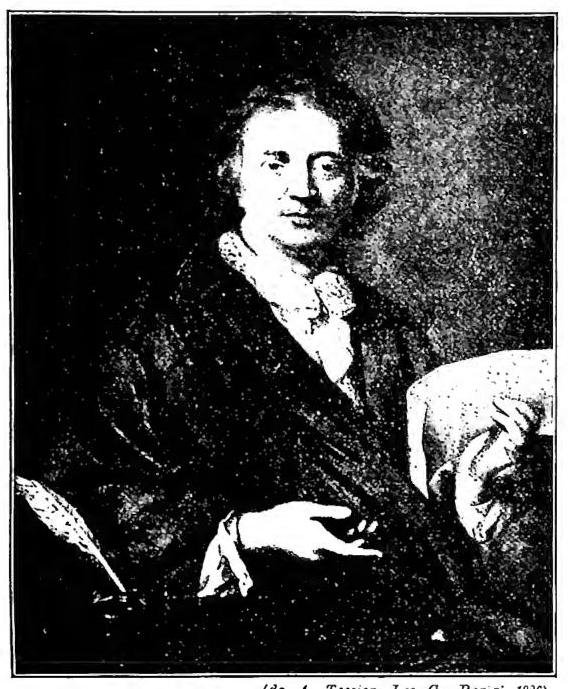
He is a refined painter, with graceful melodic design, minute descriptive delicacy, and a lively, spirited character which, in a brush accustomed to anecdotal scenes, knows how to fuse with brilliant richness the characteristics of the two styles, the two dominant voices in the art of that period, grafting, as has been said, Italian taste onto his French vein.
C. Bouvet, Une dynastie de musicieux français, les C., Paris 1919; J. Tiersot, F. C. compositeur de musique religieuse, in Revue de musicologie, 6 (1922), pp. 101-109; A. Tessier, Les C., Paris 1926; P. Brunold, Le grand orgue de St-Gervais à Paris, Paris 1934. Luisa Cervelli