Machine translation of the 1948–1954 Italian original. The original text is authoritative.
RĀMĀYAṆA. - Vālmīki, the author of the R., was the first Indian poet to compose an artistic poem (kāvyā) on motifs from popular epic poetry, in the 3rd or 4th century B.C. Over the course of five centuries (until approximately the middle of the 2nd century), the Sanskrit text underwent additions and interpolations, reaching its current length of 24,000 distichs.
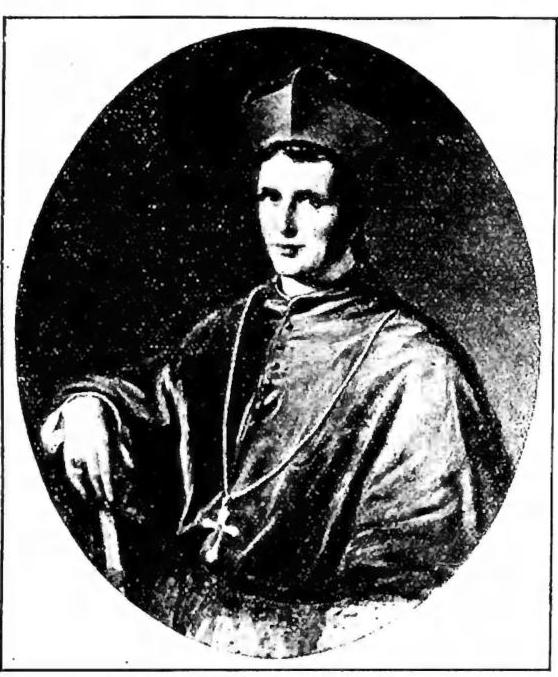
(photo by Tommaso Filippi, Venice) RAMAZZOTTI, ANGELO - Portrait.Books I and VII are apocryphal; in these alone the hero Rāma is regarded as an incarnation of Viṣṇu. The content of the original R. is as follows: Das'aratha, king of Kosala (Oudh), had three wives and four sons, the eldest of whom, Rāma, born of Kaus'alyā, was about to be associated with his father in the regency with the title of yuvarāga or crown prince, when Kaikeyi, the youngest of Das'aratha's wives, appealing to a promise of the king who had sworn to grant two of her as yet unexpressed wishes, obtained that her son Bharata should be designated for the succession to the throne, and Rāma should be sent into exile for a period of fourteen years. Accompanied by his faithful consort Sītā and his half-brother Lakṣmaṇa, Rāma took refuge in the Daṇḍaka forest, where Bharata, disappointing his mother's ambitions, went to implore him to occupy the throne left vacant by the death of his father, who had died of grief. His prayers having proved in vain, Bharata agreed to rule in his half-brother's name until his return. Rāma had undertaken a victorious struggle against the evil spirits that infested the forest, thereby drawing upon himself the hatred of the demon Rāvaṇa, lord of Laṅka (Ceylon), who managed to kidnap Sītā, carrying her away with him to the island. Rāma asked for help from the monkeys, his allies, the boldest of whom leapt across the ocean, reached Laṅka, and brought Sītā Rāma's greetings. An immense bridge was then built by the monkeys, over which the monkey army, led by Rāma, crossed the sea and conquered Laṅka. Rāvaṇa was killed by Rāma, who, having returned to his homeland with his liberated wife, reigned happily for a long time.
The pathetic and the marvellous are the dominant notes of the poem, which still enjoys immense popularity in India. Translated into almost all Neo-Indian dialects, it was reworked by Tulsi Dās (1532-1623) under the title of Rāmcaritmānas: "Lake of the Deeds of Rāma". This adaptation in Eastern Hindi has become a sacred book for the Ramaitis of every social class, who draw comfort from Rāma's heroic steadfastness in misfortune against the evils of existence. Brought to the stage, Rāma's adventures attract crowds, especially on the occasion of sacred festivals in honor of Rāma-Viṣṇu. The heroic monkey Hanumat is a favorite character of popular theater.
BIBL.: M. Winternitz, Geschichte der indischen Litteratur, I, Leipzig 1908, pp. 404-40; Enc. of Rel. and Eth., X, pp. 574-578.
Ferdinando Belloni Filippi
Cite this article
“RĀMĀYAṆA.” Enciclopedia Cattolica, vol. X (1953), p. 305. Azione Romana digital edition, https://azioneromana.com/article/ramayana.