MARIANO E GIACOMO, SANTI, MARTIRI

MARIANO and GIACOMO, Saints, Martyrs. — They perished in 258 during the persecution of Valerian. They are commemorated in the *Martyrologium Hieronymianum* on April 30 and May 6, but their true *dies natalis* is the latter, since it agrees with the Carthaginian Calendar.

The *Passio*, which bears striking similarities to that of Perpetua and Felicity—especially in the account of certain visions granted to the martyrs—was written by a contemporary and companion of the martyrs themselves, who had been arrested with them and then, for reasons unknown, escaped execution. While staying in a suburb near Cirta with other companions, M. and G. were arrested and brought before the city magistrates. After interrogation and torture, they were imprisoned. A few days later, they were sent to Lambesa to the imperial legate, who condemned them to beheading. Their bodies were then cast into a river.

Bibl.: P. Franchi de' Cavalieri, *La Passio s. Martini et Iacobi* (Studi e testi, 3), Rome 1900; A. Dufourcq, *Etude sur les Gesta martyrum romains*, I, Paris 1900, pp. 67-75; H. Delehaye, *Les passions des martyrs et les genres littéraires*, Brussels 1921, pp. 78-82; id., *Les origines du culte des martyrs*, ibid. 1933, p. 382 ss.; *Martyrologium Hieronymianum*, p. 220; *Martyrologium Romanum*, Apostolo Amore

---

MARIANO

MARIANUM

Article illustration
(Int. Bildarchiv d. B. Stationa/biblioteka)
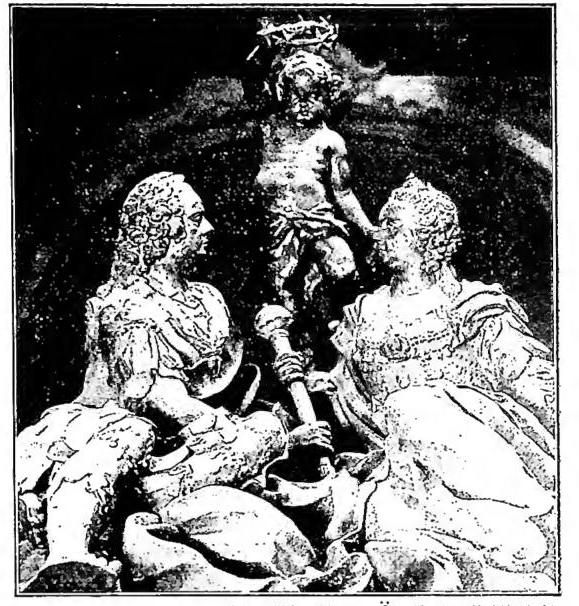
Maria Teresa of Austria, Empress — Tomb of M. T. and Emperor Francis — Vienna, Kapuzinergruft.

— A mariological review edited under the auspices of the homonymous theological faculty of the Servants of Mary, founded in 1939 by Fr. M. Roschini.

The *M.* treats scientifically every question that may relate to the Madonna, whether from a theological standpoint (understood in the broadest sense), or from literary, artistic, historical, or folkloristic perspectives.

The quarterly periodical, in booklets of approximately 150 pages, includes the following sections: articles, i.e., monographs of major importance; documents of ecclesiastical magisterium, both papal and episcopal; miscellanea, brief notes and discussions; chronicle of cultural events; reviews and current bibliography. The *M.* counts among its contributors all the principal mariologists of the world; articles may be written in Latin, Italian, French, English, German, and Spanish, though a summary in Latin is always provided.

The *M.* is supplemented annually by a popular Italian-language publication, *Raggiaglio mariano*, begun in 1946, which offers an overview of the many and varied ways in which Christian piety honors the Madonna. Giuseppe M. Besutti