Machine translation of the 1948–1954 Italian original. The original text is authoritative.
PORTA, SIMONE (PORZIO, Portius, Porcius). - Aristotelian philosopher, born in Naples in 1496, died there in 1554. His main works are: De mente humana disputatio (Florence 1551); An homo bonus vel malus volens fiat (ibid. 1551); De rerum naturalium principiis (Naples 1553).
Pomponazzi (v.), he made use of a profound knowledge of Greek to read the texts directly
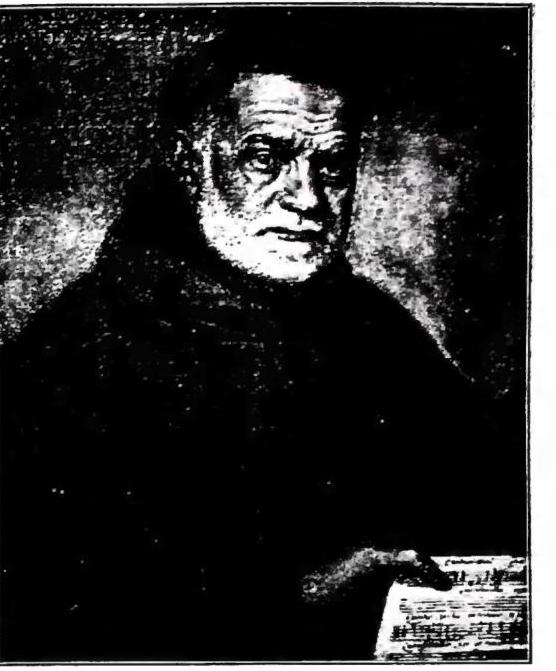
(courtesy of Fr. L. Di Fonzo, O.F.M. Conv.) PORTA, COSTANZO - Portrait. Painting in the Civic Museum of Padua attributed to F. Beccaruzzi.and interpret their thought with the aid of philology. A naturalist, he subordinated metaphysics to physics (De rerum etc., p. 5 ff.), whose determinism extends even to man: true freedom consists in self-sufficiency; therefore God alone is truly free (An homo, etc., p. 59). The immortality of the human soul is excluded by the intrinsicality of every faculty to the body, whereby reason itself, in order to know, must become sense (sensificatur): the simplicity and immateriality of the intellect are not an argument for its immortality (De mente, etc., pp. 66-70; cf. also pp. 61, 21-22, 27 ff.). The assertion of immortality stems from our imperfection, which seeks to be fulfilled in the knowledge of God, whereby man is driven to desire things that are impossible for him (op. cit., p. 97).
BIBL.: F. Fiorentino, Pomponazzi, Firenze 1868, pp. 270-288; id., Studi e ritratti della Rinascenza, Bari 1911, pp. 83-133; E. Garin, La filosofia, in Storia dei generi letterari, II, Milano 1947, pp. 37-39; G. Satta, L'aristotelico S. P., in Giorn. critico della filos. ital., 3ª serie, 3 (1949), pp. 278-306. Enzo Maccagnolo
Cite this article
“PORTA, SIMONE (PORZIO, PORTIUS, PORCIUS).” Enciclopedia Cattolica, vol. IX (1952), p. 1065. Azione Romana digital edition, https://azioneromana.com/article/porta-simone-porzio-portius-porcius.