
SEVERINUS, St.
Great apostle of the Ripense Noricum for about 30 years. The place and time of his birth are uncertain.
From the biography written in 511 by his disciple Eupippo, who based it on personal recollections and the testimonies of those who had been closest witnesses to his glorious deeds, we know only that, still young, drawn by a desire for perfection, he went to the East to live there in solitude. Following a supernatural prompting, around 455 he went to Noricum, of which he became the apostle, benefactor, and wonder-worker, listened to, obeyed, and revered by all—Romans and barbarians alike. Placing himself under the direction of an old hermit, he began to preach, urging everyone to live a Christian life and do penance. Since he was not a priest, however, his activity aroused envy and jealousy among the local clergy; he therefore went to Favianis (near present-day Mauer on the Danube), where his preaching met with a better reception. After a brief period as a hermit, he founded a monastery at Favianis, soon filled with numerous disciples and collaborators in his apostolate. A man of intense piety, austere and solicitous for the salvation of souls, for the poor and prisoners, he made Favianis the center of his preaching and apostolate. In that turbulent century, marked by continual incursions of the Alamanni, Rugi, Heruli, Goths, and Thuringians, St. Severinus knew how to speak to all the words of the Gospel, softening the fierce barbarians and alleviating the tribulations of devastation. Even the Arian barbarians did not disdain to turn to him in their disputes, to ask for graces and blessings, and to listen to his teachings. The Lord enriched him with the gifts of miracles and prophecy. Near death, he summoned his disciples to his bedside and exhorted them once more to penance and piety, and after receiving the Sacraments he died on January 8, 482. He was buried in the church of his monastery, but in 488, when Odoacer transferred the peoples of Noricum to Italy, the monks carried his body with them. During the pontificate of Gelasius (492–96), through the intervention of the noblewoman Barbara, the body was transferred to Castrum Lucullanum near Naples, where a monastery was built in his honor. Finally, in 909, to protect it from the profanations of the Saracens who were attacking the southern Italian coasts, it was transferred to Naples.SEVERINO, Saint.
A biography written in 511 by his disciple Eupippo, based on personal recollections and the testimonies of those who had been closest witnesses to his glorious deeds, is the only source for the following: still young, drawn by a desire for perfection, he went to the East to live in solitude. Following a supernatural prompting, around 455 he went to Noricum, of which he became the apostle, benefactor, and wonder-worker, listened to, obeyed, and revered by all—Romans and barbarians alike. Placing himself under the guidance of an old hermit, he began to preach, urging everyone to live a Christian life and do penance. Since he was not a priest, however, his activity aroused envy and jealousy among the local clergy; he therefore went to Favianis (near modern Mauer on the Danube), where his preaching met with a better reception. After a brief period as a hermit, he founded a monastery at Favianis, soon filled with numerous disciples and collaborators in his apostolate. A man of intense piety, austere and deeply concerned for the salvation of souls, for the poor and prisoners, he made Favianis the center of his preaching and apostolic work. In that turbulent century, marked by continual incursions of Alamanni, Rugi, Heruli, Goths, and Thuringians, St Severinus knew how to speak to all the words of the Gospel, softening the fierce barbarians and alleviating the sufferings caused by devastation. Even the Arian barbarians did not hesitate to turn to him in their disputes, seeking his blessings and grace, and listening to his teachings. The Lord enriched him with the gifts of miracles and prophecy. As he lay dying, he summoned his disciples to his bedside and exhorted them once more to penance and piety; after receiving the sacraments, he died on 8 January 482. He was buried in the church of his monastery, but in 488, when Odoacer transferred the peoples of Noricum to Italy, the monks carried his body with them. During the pontificate of Gelasius (492–96), at the behest of the noblewoman Barbara, his body was transferred to Castrum Lucullanum near Naples, where a monastery was built in his honor. Finally, in 909, to protect it from the profanations of the Saracens who were attacking the southern Italian coasts, it was moved to Naples.
SEVERINO, Saint. — Great apostle of Ripense Noricum for about 30 years. The place and time of his birth are uncertain.
From the biography written in 511 by his disciple Eupippo, which was based on personal recollections and the testimonies of those who had been closest witnesses to his glorious deeds, it is known only that, still young, drawn by the desire for perfection, he went to the East to live there in solitude. Following a supernatural warning, around 455 he went to Noricum, of which he became the apostle, benefactor, and wonder-worker, listened to, obeyed, and venerated by all, Romans and barbarians alike. Placing himself under the guidance of an old hermit, he began to preach, urging everyone to live a Christian life and do penance. Not being a priest, however, his activity aroused envy and jealousy among the local clergy; he therefore went to Favianis (near modern Mauer on the Danube), where his preaching was better received. After a brief hermitic period, he founded a monastery at Favianis, soon populated by numerous disciples and collaborators in his apostolate. A man of intense piety, austere, solicitous for the good of souls, the poor, and prisoners, he made Favianis the center of his preaching and apostolate. In that turbulent century, marked by continual incursions of Alamanni, Rugi, Heruli, Goths, and Thuringians, St. Severinus knew how to speak to all the words of the Gospel, softening the fierce barbarians and alleviating the tribulations of devastation. Even the Arian barbarians did not disdain to turn to him in their disputes, to ask for graces and blessings, and to listen to his teachings. The Lord enriched him with the gifts of miracles and prophecy. Near death, he called his disciples to his bedside and exhorted them once more to penance and piety, and after receiving the Sacraments he died on January 8, 482. He was buried in the church of his monastery, but in 488, when Odoacer transferred the peoples of Noricum to Italy, the monks carried his body with them. During the pontificate of Gelasius (492–96), through the intervention of the noblewoman Barbara, the body was transferred to Castrum Lucullanum near Naples, where a monastery was built in his honor. Finally, in 909, to protect it from the profanations of the Saracens who were attacking the coasts of southern Italy, it was transferred to Naples.
SEVERINUS, St. — Great apostle of Noricum Ripense for about 30 years. The place and time of his birth are uncertain.## SEVERINO, Saint
A great apostle of the Ripense Noricum for about thirty years. The place and time of his birth are uncertain.
From the biography written in 511 by his disciple Eupippo, which was based on personal recollections and the testimonies of those who had been the closest witnesses to his glorious deeds, we know only that, still young and drawn by the desire for perfection, he went to the East to live there in solitude. Following a supernatural warning, around 455 he went to Noricum, of which he became the apostle, benefactor, and wonder-worker, listened to, obeyed, and revered by all—Romans and barbarians alike. Placing himself under the guidance of an old hermit, he began to preach, urging everyone to live a Christian life and to do penance. Since he was not a priest, however, his activity aroused envy and jealousy among the local clergy; he therefore went to Favianis (near present-day Mauer on the Danube), where his preaching met with a better reception. After a brief eremitical period, he founded a monastery at Favianis, which soon became populated with numerous disciples and collaborators in his apostolate. A man of intense piety, austere and deeply concerned for the salvation of souls, for the poor, and for prisoners, he made Favianis the center of his preaching and apostolate. In that turbulent century, marked by the continual incursions of the Alamanni, Rugi, Heruli, Goths, and Thuringians, St. Severinus knew how to speak to all the words of the Gospel, softening the fierce barbarians and alleviating the sufferings caused by their devastations. Even the Arian barbarians did not hesitate to turn to him in their disputes, seeking his blessings and graces and listening to his teachings. The Lord enriched him with the gifts of miracles and prophecy. As he approached death, he called his disciples to his bedside and exhorted them once more to penance and piety; after receiving the Sacraments, he died on 8 January 482. He was buried in the church of his monastery, but in 488, when Odoacer transferred the peoples of Noricum to Italy, the monks carried his body with them. During the pontificate of Gelasius (492–496), at the intervention of the noblewoman Barbara, the body was transferred to Castrum Lucullanum near Naples, where a monastery was built in his honor. Finally, in 909, to protect it from the profanations of the Saracens who were attacking the coasts of southern Italy, it was transferred to Naples.
From the biography written in 511 by his disciple Eupippo, which was based on personal recollections and the testimonies of those who had been closest witnesses to his glorious deeds, it is known only that, still young, drawn by the desire for perfection, he went to the East to live there in solitude. Following a supernatural warning, around 455 he went to Noricum, of which he became the apostle, benefactor, and wonder-worker, listened to, obeyed, and venerated by all, Romans and barbarians alike. Placing himself under the guidance of an old hermit, he began to preach, urging everyone to live a Christian life and to do penance. Not being a priest, however, his activity aroused envy and jealousy among the local clergy; he therefore went to Favianis (near present-day Mautern on the Danube), where his preaching was better received. After a brief hermitic period, he founded a monastery at Favianis, soon populated by numerous disciples and collaborators in his apostolate. A man of intense piety, austere, and solicitous for the good of souls, the poor, and prisoners, he made Favianis the center of his preaching and apostolate. In that turbulent century, marked by continual incursions of Alamanni, Rugi, Heruli, Goths, and Thuringians, St. Severinus knew how to speak to all the words of the Gospel, softening the fierce barbarians and alleviating the tribulations of devastation. Even the Arian barbarians did not disdain to turn to him in their controversies, to ask for graces and blessings, and to listen to his teachings. The Lord enriched him with the gifts of miracles and prophecy. Near death, he called his disciples around his bed and exhorted them once more to penance and piety, and after receiving the Sacraments, he died on January 8, 482. He was buried in the church of his monastery, but in 488, when Odoacer transferred the peoples of Noricum to Italy, the monks brought his body with them. During the pontificate of Gelasius (492–96), through the intervention of the noblewoman Barbara, the body was transferred to Castrum Lucullanum near Naples, where a monastery was built in his honor. Finally, in 909, to protect it from the profanations of the Saracens who were attacking the southern Italian coasts, it was transferred to Naples.
SEVERINUS, Saint. — Great apostle of Ripense Noricum for about 30 years. The place and time of his birth are uncertain.SEVERINUS, Saint.
From the biography written in 511 by his disciple Eupippo, which was based on personal recollections and the testimonies of those who had been closest witnesses to his glorious deeds, it is known only that, still young, drawn by the desire for perfection, he went to the East to live there in solitude. Following a supernatural warning, around 455 he went to Noricum, of which he became the apostle, benefactor, and wonder-worker, listened to, obeyed, and revered by all—Romans and barbarians alike. Placing himself under the guidance of an old hermit, he began to preach, urging everyone to live a Christian life and to do penance. Since he was not a priest, however, his activity aroused envy and jealousy among the local clergy; he therefore went to Favianis (near present-day Mauer on the Danube), where his preaching met with a better reception. After a brief hermitic interval, he founded a monastery at Favianis, soon populated by numerous disciples and collaborators in his apostolate. A man of intense piety, austere and solicitous for the good of souls, the poor, and prisoners, he made Favianis the center of his preaching and apostolate. In that turbulent century, marked by continual incursions of Alamanni, Rugi, Heruli, Goths, and Thuringians, St. Severinus knew how to speak to all the words of the Gospel, softening the fierce barbarians and mitigating the tribulations of devastation. Even the Arian barbarians did not disdain to turn to him in their disputes, to ask for graces and blessings, and to listen to his teachings. The Lord enriched him with the gifts of miracles and prophecy. Near death, he called his disciples to his bedside and exhorted them once more to penance and piety, and after receiving the Sacraments he died on January 8, 482. He was buried in the church of his monastery, but in 488, when Odoacer transferred the peoples of Noricum to Italy, the monks took his relics with them. During the pontificate of Gelasius (492–96), at the intervention of the noblewoman Barbara, the relics were transferred to Castrum Lucullanum near Naples, where a monastery was built in his honor. Finally, in 909, to protect them from the profanations of the Saracens who were attacking the coasts of southern Italy, they were transferred to Naples.
SEVERINUS, Saint. — Great apostle of Ripense Noricum for about 30 years. The place and time of his birth are uncertain.
SEVERINUS, Saint. — Great apostle of the Noricum Ripense for about 30 years. The place and time of his birth are uncertain.
From the biography written in 511 by his disciple Eupippo, which was based on personal recollections and the testimonies of those who had been the closest witnesses to his glorious deeds, it is known only that, still young and drawn by the desire for perfection, he went to the East to live there in solitude. Following a supernatural warning, around 455 he went to Noricum, of which he became the apostle, benefactor, and wonder-worker, listened to, obeyed, and revered by all, Romans and barbarians alike. Placing himself under the guidance of an old hermit, he began to preach, urging everyone to live a Christian life and do penance. Since he was not a priest, however, his activity aroused envy and jealousy among the local clergy; he therefore went to Favianis (near present-day Mauern on the Danube), where his preaching met with a better reception. After a brief hermitic period, he founded a monastery at Favianis, soon populated by numerous disciples and collaborators in his apostolate. A man of intense piety, austere, and solicitous for the good of souls, the poor, and prisoners, he made Favianis the center of his preaching and apostolate. In that turbulent century, marked by continual incursions of the Alamanni, Rugi, Heruli, Goths, and Thuringians, Saint Severinus knew how to speak to all the words of the Gospel, softening the fierce barbarians and mitigating the tribulations of devastation. Even the Arian barbarians did not disdain to turn to him in their disputes, to ask for graces and blessings, and to listen to his teachings. The Lord enriched him with the gifts of miracles and prophecy. Near death, he summoned his disciples to his bedside and exhorted them once more to penance and piety, and after receiving the Sacraments, he died on January 8, 482. He was buried in the church of his monastery, but in 488, when Odoacer transferred the peoples of Noricum to Italy, the monks brought his relics with them. During the pontificate of Gelasius (492–96), through the intervention of the noblewoman Barbara, his body was transferred to Castrum Lucullanum near Naples, where a monastery was built in his honor. Finally, in 909, to protect it from the profanations of the Saracens who were attacking the southern Italian coasts, it was transferred to Naples.
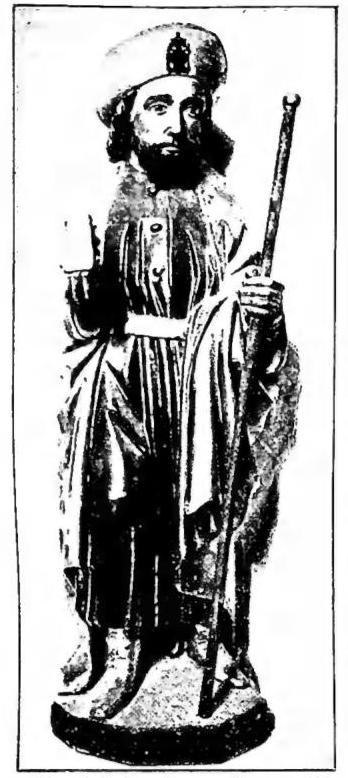
SEVERINUS, Saint. — Great apostle of the Noricum Ripense for about 30 years. The place and time of his birth are uncertain.
The monophysite extremists and the Chalcedonians were the cause of heated strife among the monks. When Justin became emperor in 518 and worked to restore religious peace, Severinus was forced to flee to Egypt, where he organized resistance to imperial policy, remaining until his death the driving force behind this resistance. At the same time, he fought another monophysite, Julian of Halicarnassus (v.). After Justin’s death in 527, Severinus regained influence, secretly supported by Empress Theodora. Invited to Constantinople in 535, he succeeded in drawing the new patriarch Anthimus into opposition to the Council of Chalcedon. But through the intervention of Pope Agapetus, he was again condemned in 536, and his works were also proscribed. He retired to the Egyptian desert. A renowned ascetic, thoroughly versed in Scripture and the Fathers, a prolific writer, he is honored in the Coptic Church as a saint and martyr.
Of Severinus’s numerous works, originally written in Greek, some ancient Syriac translations survive and have been published recently: *Philalethes*, an examination in 24 chapters drawn from St. Cyril, published with a Latin translation by A. Sandra (Beirut 1928). Monsignor J. Lebon published at Louvain the *Liber contra impium grammaticum* (i.e., against the Chalcedonian John): it contains a discussion on the interpretation of patristic texts (*Corpus Script. Orient.*, *Scriptores Syri*, IV, 4, 5, 6; Louvain 1929–33 and 1938); the *Orationes ad Nefahium* and the correspondence with the monophysite Sergius (ibid., fasc. 7, 1949). Severinus engaged on two fronts; he fought with equal ardor against both the Eutychians and the Chalcedonians. Against Julian of Halicarnassus are the *Critique of Julian’s Tome* and *Critique of the Propositions*, published under the title *Antijulianistica* by A. Sandra (Beirut 1931). The other works in this series are: *Against the Additions to the Tome*; *Against Julian’s Apology*; *Apology of the Philalethes*, which remain unpublished. R. Draguet published an anti-Julianist Pastoral dating to about 530 in *Le Muséon*, 40 (1947). There also exists, in Syriac, a series of 125 *Homiliae cathedrales*, delivered by Severinus as patriarch of Antioch. The first, his inaugural address, was published by M. A. Kugener in *Oriens christianus*, 2 (1902), pp. 265ff.; the others, which include Greek fragments and partial editions by Mai and Rahmani, are in the process of publication in *PO* 4; 8; 12; 16; 20; 22; 23; 25; 26 (Louvain 1908–48), in the Syriac version by James of Edessa. Of his Letters, numbering four thousand, a selection was made; E. W. Brooks published *The Sixth Book of the Select Letters of Severus* (London 1902–1904) and a second *Collection of Letters* in *PO* 12 and 14. Also noteworthy are some liturgical writings and a number of poems (ibid., 6 and 7) and the ancient biographies of the patriarch (ibid., 2). Severinus was sometimes credited with the works of Pseudo-Dionysius (v. DIONYSIUS THE AREOPAGITE), but without solid foundation.
Severinus’s doctrine is of great importance for understanding the position of the Jacobite churches. Following his teaching, they profess a monophysitism that is more verbal than real (v. MONOPHYSITES) but, like him, reject the Council of Chalcedon.