
SICLO (Hebr. šéqel). — A weight and coin in use in the ancient Mediterranean East. In the biblical texts referring to the pre-exilic period, the s. always designates a weight (v. TALENTO). The coin appears only in the seventh century B.C., and it is debated whether it should be attributed to the Lydians or to Aegean populations. Herodotus (I, 94) declares it to be of Lydian origin.
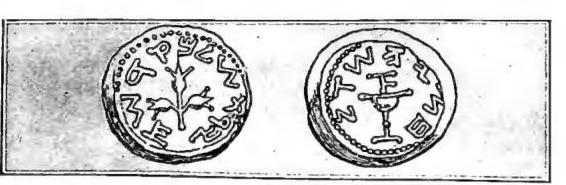
Darius Hystaspes took this practice as his model when he coined gold darics and silver s. The gold daric was worth 20 silver s. weighing 5.6 g. According to Xenophon (Anabasis, I, 5, 6), the s. was equivalent to 7.50 Attic obols. Only the king could mint gold coins, whereas satraps and autonomous cities were sometimes granted permission to mint silver coins. This explains the existence of silver coins bearing the inscription Jēhūdh (« Judah »), perhaps dating from the fifth century B.C. Antiochus VII Sidetes granted a similar right to Simon Maccabaeus (I Mach. 15, 6). However, the existing silver coins bearing Simon’s name date either from the time of the war against the Romans (A.D. 66–70) or from the time of Simon Bar Kökhöbhä (v.). The Hasmonean princes, the Herodian kings, and the Roman procurators minted only bronze coins.
The sacred half-s., which the Jews had to pay each year as a tax for the Temple, is generally considered equivalent to an Attic didrachm (v.) (approximately 360 gold lire).
Benissimo Wambacq — Angelo Penna