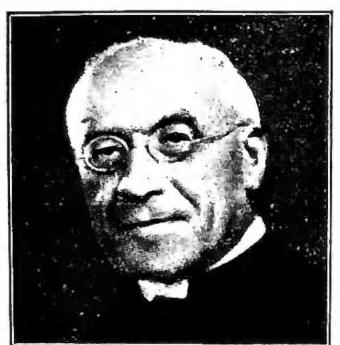
VERLAINE, PAUL. – Poet and initiator of the French Symbolist movement, born in Metz on 30 March 1844, died in Paris on 8 January 1896.
In Paris, where the family had moved in 1851, V. began his literary career; from 1864 to ’71 he held a municipal position, from which he was dismissed because of his revolutionary sympathies. His first volumes of verse received little attention: Poèmes saturniens (1866); Fêtes galantes (1869); La bonne chanson (1870), in which a new tone, at once ironic and sincerely moved, emerges amid Parnassian and Baudelairean reminiscences. Then V.’s existence was overwhelmed by alcohol abuse and by his morbid passion for Arthur Rimbaud, the very young, prodigious poet whom he revealed and with whom he initiated Symbolism. They fled together to Belgium and London: in Brussels, on the way back, after a year of dissipation, V. wounded his friend during a dispute and was sentenced to two years’ imprisonment (1873). He left prison at the beginning of 1875, detoxified or nearly so, once again a believer in the faith of his childhood; for several years he devoted himself to teaching, at Stickney, Bournemouth (England), and Rethel. Meanwhile Romances sans paroles (1874) appeared, poems perfectly corresponding, through their vibrant musicality, to the dictates of the Art poétique (which, however, was published only ten years later, in Jadis et naguère), as did Sagesse (1881), an admirable collection of the anxieties and remorse that ac-