
ALESSANDRO SEVERO, Roman emperor. (M. Aurelius Severus Alexander). — He was the son of Gessius Marcianus and Julia Mamaea; before his adoption by his cousin Elagabalus (221), he was called Bassianus or Alexianus. In 222 he succeeded Elagabalus and sought to govern with honesty and wisdom, relying on the senate, rejecting military absolutism, and issuing many legislative provisions for which he made use of the work of the celebrated Ulpian. Mild in disposition, he allowed himself to be guided too much by his mother; lacking ability in warfare, he preferred to pay large sums to the barbarians threatening the frontiers rather than fight them. This alienated the military element, which set Maximinus against him; he was killed in 235 together with his mother.
Like his predecessors, members of his family, he was a follower in religion of a conciliatory eclecticism, but more than they he showed himself well disposed toward the Christians, going so far as to place the image of Christ among those of other illustrious figures in his private shrine and adorning his palace with sayings drawn from the Sacred Books. Christians were numerous at court in those years. Moreover, when a dispute arose between them and the tavern keepers of Rome over the occupation of a plot of land, the emperor decided in favor of the former because, he replied, it was better that the divinity should in some way be worshipped in that place than that it should be handed over to the tavern keepers. The episode indicates that the Church already enjoyed the right of ownership and that people were already beginning no longer to regard the Christian religion as a religio illicita.
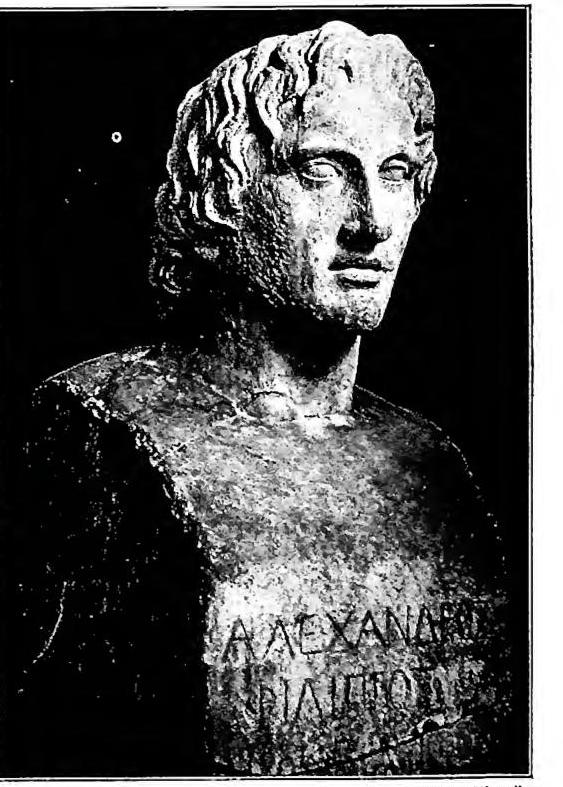
(photo Alinari)