
GIOVIANO (Flavius Iovianus Augustus). - Roman emperor, b. at Singidunum in Moesia in 331, d. in Bithynia on Feb. 17, 364. Son of Count Varronianus, he pursued a military career under Co-
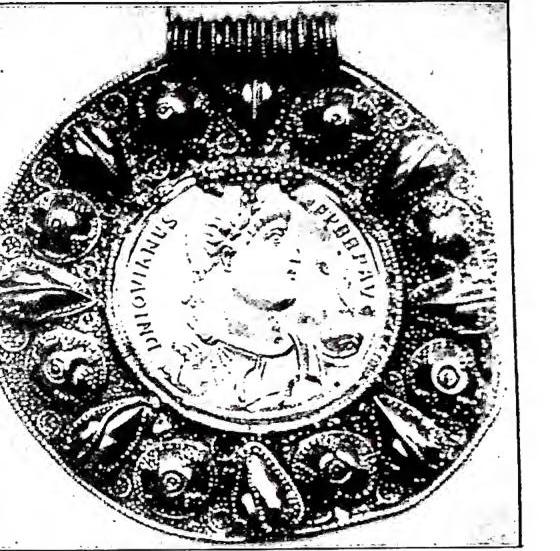
Forced by the disastrous circumstances of the Persian campaign and in order to consolidate his authority, he had to accept peace conditions from Shapur, ceding certain provinces. A convinced Christian and Catholic, G. immediately provided for the revocation of Julian's anti-Christian laws, promulgating tolerance for everyone; he only prohibited the public sacrifices instituted by his predecessor. He recalled all the bishops who were still in exile, principally St. Athanasius, whom he also invited to Antioch. The favorable disposition of G. prompted the various Arian factions to ask him for protection, hoping to draw him to their views. Thus the Macedonians sent him a petition asking for the Anomoeans to be driven out; the latter attempted to have Athanasius driven out from Alexandria, but both the former and the latter were rejected and threatened. During the journey toward Constantinople he attended Julian's funeral in Tarsus, then in Ancyra he assumed the consulate, but at Dadastene, between the borders of Galatia and Bithynia, he suddenly died, cutting short the hopes placed in him.