Machine translation of the 1948–1954 Italian original. The original text is authoritative.
GORAZD. — Disciple of St. Methodius, b. in 830, d. at Berat (Albania). Ordained a priest in Rome in 868, he went to Moravia, where he collaborated with St. Methodius in introducing the Slavonic liturgy. St. Methodius designated him as his successor. Since he was welcome neither to Bishop Wicking of Nitra in Slovakia nor to Svatopluk, he took refuge in 886 with the Bulgarian prince Michael and embraced the Greek schism, becoming the second archbishop of the Bulgarians. From that time onward he was regarded as a saint by them. His feast is celebrated on 17 July. Through his work Bulgaria became the center of the Slavonic liturgy and of Glagolitic script.
BIBL.: J. Martinov, Annal. eccl. Graeco-Slav., Brussels 1864, p. 179; C. J. Jireček, Geschichte der Bulgaren, Prague 1876; Fr. Hybl, Dejiny národa bulharského («History of the Bulgarian people»), there 1930. Stumpf Miroslav
GORAZD. — Czech schismatic bishop, b. in 1879. Originally a Catholic priest named Mattia Pavlik, he joined the turbulent religious movement that arose in Czechoslovakia after the war of 1914–18 and led to the proclamation of the Czechoslovak national Church in Prague on 8 Jan. 1920 by a number of apostate priests. Elected the first bishop of this Church, he was consecrated by the Serbian “Orthodox” patriarch Demetrio on 25 Sept. 1921. On this occasion Pavlik assumed the name G., which had belonged to the first successor of s. Metodio. Later he came into conflict with the other leaders of the movement because of the unrestrained subjectivism and liberalism in matters of faith that had prevailed in the Czechoslovak Church. Consequently, on 5 March 1923 he abdicated the office of bishop of the Czechoslovak Church and joined the small Czech “Orthodox” community in Prague, whose leadership he assumed—though not without intrigues—on 22 Nov. 1925. In 1929 the definitive Statute of the Czech “Orthodox” Church was approved by the Serbian “Orthodox” Church and the Czechoslovak Government (in 1940 it had no more than 7350 faithful), and G. was elected its bishop.
G., together with several of his collaborators, was shot by the Germans on 4 Sept. 1942 because he had granted asylum to the parachutists who carried out the attack against Heydrich, the German Reichsprotektor of Bohemia and Moravia.
BIBL.: V. Grigorič, Pravoslavná cirkev ve státě ceshoslovenském, 2ª ed., Praga 1928; R. Urban, Die slavischnationalkirchlichen Bestrebungen in der Tschechoslowakei, Lipsia 1938; F. Cinek, Orthodoxi dissidentes in Bohemia et Moravia, in Acta
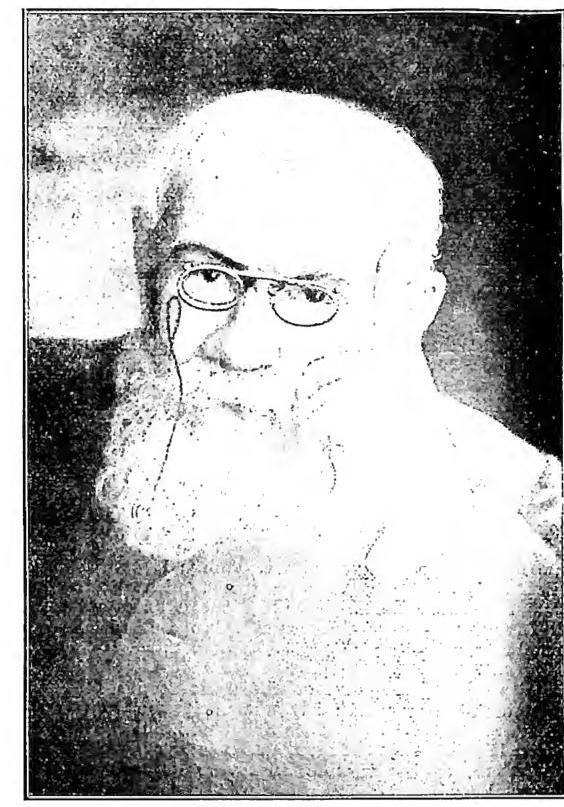
(da Au temps du Second Empire, Parigi 1938) GORCE, PIERRE de la — Portrait.academiae Velehradensis, 16 (1940), pp. 27–44, 81–102, 177–203, 287–303; 17 (1941), pp. 128–44, 285–309.
Giuseppe Olär
Cite this article
“GORAZD.” Enciclopedia Cattolica, vol. VI (1951), p. 562. Azione Romana digital edition, https://azioneromana.com/article/gorazd.