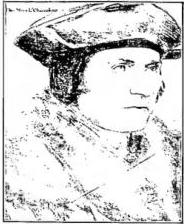
TOMMASO BECKET, saint. — Archbishop of Canterbury, b. in London on 21 December 1117, d. at Canterbury on 29 December 1170.
At the Parliament of Westminster (October 1163) he defended the privilege of the ecclesiastical forum with such force that the sovereign was compelled to withdraw a bill prohibiting II. An amendment was, however, proposed, by which the episcopate undertook to respect the ancient customs. B. accepted it, but with the prudent reservation: salvo ordine nostro et iure Ecclesiae; this aroused the anger of the King. The following year, at the Parliament of Clarendon, the ancient customs were specified in 16 articles, all of which infringed the liberties of the Church. T. seems to have accepted them; but he immediately regretted this and retracted, asking Alexander III for forgiveness. Condemned to heavy, and in any case unjust, fines, he took refuge at the papal court and then in the Cistercian monastery of Pontigny.
The negotiations between Alexander III and the King were very difficult and thorny. T. appeared in the presence of Henry II at Montmirail in 1169; but the agreement desired by the Pope could not be concluded, because the archbishop refused to sign the articles of Clarendon except with the restrictive clause: salvo honore Dei. Nevertheless, in 1170 there was the semblance of a reconciliation, and B. returned to England. But his enemies were working against him and inflamed Henry II’s animosity to such a degree that he dared say in the presence of the barons: « Is there then no one capable of avenging the King’s affront against that priest? » Four knights intervened and cowardly murdered the archbishop in Canterbury Cathedral.