
VALENTINIANO I (Flavius Valentinianus Augustus), ROMAN EMPEROR OF THE WEST. - B. in Pannonia in 321, d. there on 17 Nov. 375. Having entered the army, he rose through all the ranks and distinguished himself in the wars of Gallia and Persia.
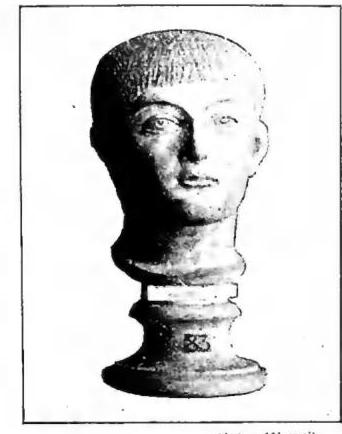
In religious policy, although he was a Catholic, V. showed himself tolerant toward pagans and heretics, leaving everyone freedom of conscience, even though he sometimes issued inconsistent laws. While in fact he assigned the property of the temples to the treasury and prohibited Christians from being assigned to their custody (Cod. Theod., XVI, 1, 1), he tolerated that the altar of Victory remained in the Senate hall; in 372 he issued a decree against the Manichaeans and Donatists prohibiting their meetings, confiscating their property, and punishing their leaders (Cod. Theod., XVI, 5, 3), but he allowed Arian bishops to retain their sees. He repealed the restrictive laws on education issued by Julian and strictly forbade the practices of magic and sorcery (ibid., IX, 16, 7-10). He died during the campaign against the Quadi, struck down by syncope.