
FILIPPO di SVEVIA. — Born on 26 July 1178 to Federico Barbarossa and Beatrice di Borgogna, the fourth child of their union, he was appointed bishop of Würzburg when he was barely thirteen. Margrave of Tuscany from 1195, following the death of his brother Federico, he added, the following year, the original duchy of Svevia to the ancient Matildine possessions.
The eastern policy of his brother Enrico VI inspired Filippo’s marriage, celebrated in 1197, to Irene, daughter of the emperor Isacco Angelo. Upon the death of Enrico VI, after initially taking a position in favor of the rights of the young Federico, he had himself elected king of Germany. But the Guelph party opposed him with Ottone di Baviera, nephew of Riccardo Cuor di Leone. Mild and wise, but a natural defender of the German nation, he did not enjoy the favor of Innocenzo III. Nor did the assistance of Filippo II of France suffice to prevent Ottone’s victory. The victory was brief. He renewed the struggle in 1204 and, rapidly reconquering the regions of Lorena, Turingia, and the Lower Rhine, obtained recognition as king of Germany from Innocenzo and the promise of the imperial crown, albeit on condition that he renounce, in favor of the Church, the disputed Matildine possessions. The national poet Walter von der Vogelweide was already acclaiming him as emperor and victor when, on 21 June 1208, he fell victim to a private vendetta, murdered at Bamberg by Ottone di Wittelsbach. This was a severe blow to the Svevians, before they could experience, with Federico II, their military and political resurrection in Germany.
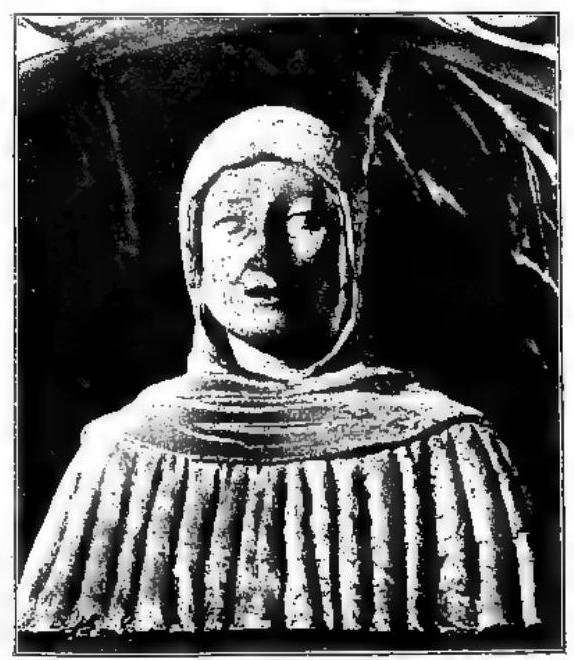
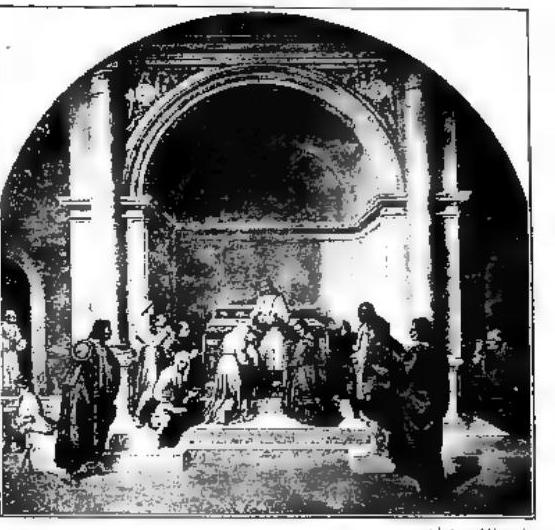
(photograph by Alimore) FILIPPO BENIZI, saint — The kissing of the relic of S.F.B., painting by Andrea del Sarto (1525) — Florence, church of the Most Holy Annunziata.