
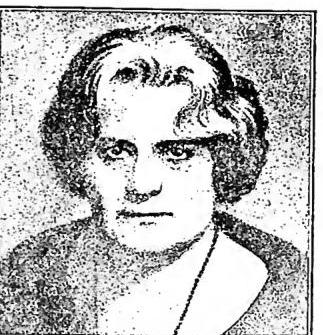
NEGRI, ADA. — Poetess, born of a humble family in Lodi on 3 February 1870, died in Milan on 11 January 1945.
She entrusted to the novel Stella matutina (1921) the memory of her troubled youth. The first volume of verse, Fatalità (1892), an emphatic exaltation of socialist ideas, with some anticlerical elements, aroused great interest. Tempeste (1894), which repeated the same themes, met with less success. After her marriage, she devoted herself to motherhood in the homonymous volume of verse (1904), in which human suffering and the mystery of the soul find effective expression, deepened by experience. An even more attentive inner exploration animates the collection Dal profondo (1910) and leads N. toward a keener sense of solitude (L'esilio, 1914). After Libro di Mara (1919), a vigorous, often harsh expression of a love of late youth, abruptly cut short by death, there was a turning toward contemplation, at times painful, of nature in I canti dell'Isola (1924). From then on, N.’s thought turned more decisively toward God (Vespertina,
The undeniable influences of Leopardi, Carducci, Pascoli, and d’Annunzio do not compromise the precise originality of tone in N.’s poetry. Moral inquiry into the problems of life is conveyed through a succession of vivid images, logically tightly connected and free of hermeticism. Nor does the clarity of her poetics (poetry of feeling, not sentimental poetry) settle into the rhythm with twilight complacency; rather, it resolves within itself, in supreme harmony, those inner landscapes of the soul discovered through sincere lyrical emotion: rebellions, despondency, resentments, and a bitter sense of life are finally calmed in a progressive inner illumination, in a genuine understanding of Christian values, in a definitive and integral adherence to the Catholic faith, and in the eagerness to communicate the spiritual serenity she had attained to other souls. N.’s volume Fatulità is on the Index (decree of 14 July 1893).