ACTA SANCTAE SEDIS

ACTA SANCTAE SEDIS - Monthly periodical, begun in Rome in 1865 by the priest Pietro Avanzini, who was also its first director, under the title

Article illustration
Acrostic - A Latin (Bussae suae Gaudentius) in the cemetery of Pretestato - Rome.
(propr. E. Jeal)

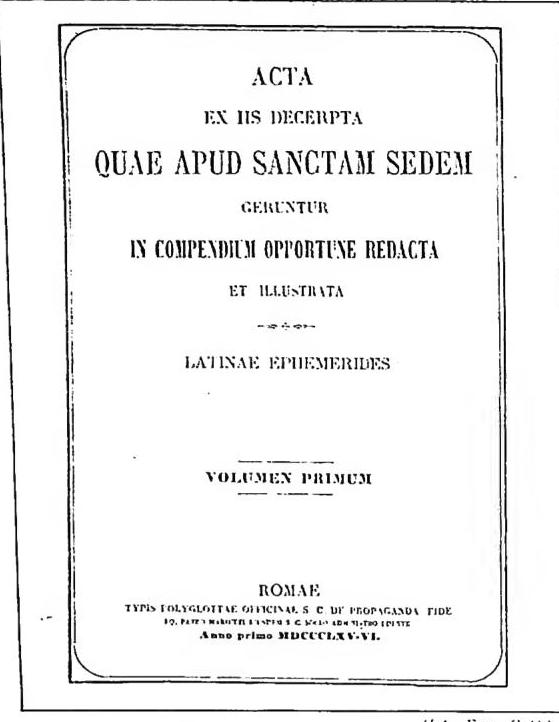
ACTA SANCTAE SEDIS

EX IIS DECERPTA

QUAE APUD SANCTAM SEDEM

GERUNTUR

IN COMPENDIUM OPPORTUNE REDACTA

ET ILLUSTRATA

LATINAE EPHEMERIDES

VOLUMEN PRIMUM

ROMAE

TYPUS TOLYGIATIUS GENSENS, S. C. VII. HYPOGENAE FIDE
P. P. P. P. P. P. P. P. P. P. P. P. P. P. P. P. A. A. A. A. A. A. A. A. A. A. A. A. A. A. A. P. P. P. P. P. P. P. P. P. P. P. P. P. P. T. T. T. T. T. T. T. T. T. T. T. T. T. T. T. P. P. P. P. P. P. P. P. P. P. P. P. P. P. P. A. A. A. A. A. A. A. A. A. A. A. A. A. A. A. P. P. P. P. P. P. P. P. P. P. P. P. P. P. T. T. T. T. T. T. T. T. T. T. T. T. T. T. P. P. P. P. P. P. P. P. P. P. P. P. P. P. P. A. A. A. A. A. A. A. A. A. A. A. A. A. A. A. P. P. P. P. P. P. P. P. P. P. P. P. P. P. T. T. T. T. T. T. T. T. T. T. T. T. T. T. T. P. P. P. P. P. P. P. P. P. P. P. P. P. P. P. A. A. A. A. A. A. A. A. A. A. A. A. A. A. A. P. P. P. P. P. P. P. P. P. P. P. P. P. P. T. T. T. T. T. T. T. T. T. T. T. T. T. T. T. P. P. P. P. P. P. P. P. P. P. P. P. P. P. P. A. A. A. A. A. A. A. A. A. A. A. A. A. A. A. P. P. P. P. P. P. P. P. P. P. P. P. P. P. T. T. T. T. T. T. T. T. T. T. T. T. T. T. T. P. P. P. P. P. P. P. P. P. P. P. P. P. P. P. A. A. A. A. A. A. A. A. A. A. A. A. A. A. A. P. P. P. P. P. P. P. P. P. P. P. P. P. P. T. T. T. T. T. T. T. T. T. T. T. T. T. T. T. P. P. P. P. P. P. P. P. P. P. P. P. P. P. P. A. A. A. A. A. A. A. A. A. A. A. A. A. A. A. P. P. P. P. P. P. P. P. P. P. P. P. P. P. T. T. T. T. T. T. T. T. T. T. T. T. T. T. T. P. P. P. P. P. P. P. P. P. P. P. P. P. P. P. A. A. A. A. A. A. A. A. A. A. A. A. A. A. A. P. P. P. P. P. P. P. P. P. P. P. P. P. P. T. T. T. T. T. T. T. T. T. T. T. T. T. T. T. P. P. P. P. P. P. P. P. P. P. P. P. P. P. P. A. A. A. A. A. A. A. A. A. A. A. A. A. A. A. P. P. P. P. P. P. P. P. P. P. P. P. P. P. T. T. T. T. T. T. T. T. T. T. T. T. T. T. T. P. P. P. P. P. P. P. P. P. P. P. P. P. P. P. A. A. A. A. A. A. A. A. A. A. A. A. A. A. A. P. P. P. P. P. P. P. P. P. P. P. P. P. P. T. T. T. T. T. T. T. T. T. T. T. T. T. T. T. P. P. P. P. P. P. P. P. P. P. P. P. P. P. P. A. A. A. A. A. A. A. A. A. A. A. A. A. A. A. P. P. P. P. P. P. P. P. P. P. P. P. P. P. T. T. T. T. T. T. T. T. T. T. T. T. T. T. T. P. P. P. P. P. P. P. P. P. P. P. P. P. P. P. A. A. A. A. A. A. A. A. A. A. A. A. A. A. A. P. P. P. P. P. P. P. P. P. P. P. P. P. P. T. T. T. T. T. T. T. T. T. T. T. T. T. T. T. P. P. P. P. P. P. P. P. P. P. P. P. P. P. P. A. A. A. A. A. A. A. A. A. A. A. A. A. A. A. P. P. P. P. P. P. P. P. P. P. P. P. P. P. T. T. T. T. T. T. T. T. T. T. T. T. T. T. T. P. P. P. P. P. P. P. P. P. P. P. P. P. P. P. A. A. A. A. A. A. A. A. A. A. A. A. A. A. A. P. P. P. P. P. P. P. P. P. P. P. P. P. P. T. T. T. T. T. T. T. T. T. T. T. T. T. T. T. P. P. P. P. P. P. P. P. P. P. P. P. P. P. P. A. A. A. A. A. A. A. A. A. A. A. A. A. A. A. P. P. P. P. P. P. P. P. P. P. P. P. P. P. T. T. T. T. T. T. T. T. T. T. T. T. T. T. T. P. P. P. P. P. P. P. P. P. P. P. P. P. P. P. A. A. A. A. A. A. A. A. A. A. A. A. A. A. A. P. P. P. P. P. P. P. P. P. P. P. P. P. P. T. T. T. T. T. T. T. T. T. T. T. T. T. T. T. P. P. P. P. P. P. P. P. P. P. P. P. P. P. P. A. A. A. A. A. A. A. A. A. A. A. A. A. A. A. P. P. P. P. P. P. P. P. P. P. P. P. P. P. T. T. T. T. T. T. T. T. T. T. T. T. T. T. T. P. P. P. P. P. P. P. P. P. P. P. P. P. P. P. A. A. A. A. A. A. A. A. A. A. A. A. A. A. A. P. P. P. P. P. P. P. P. P. P. P. P. P. P. T. T. T. T. T. T. T. T. T. T. T. T. T. T. T. P. P. P. P. P. P. P. P. P. P. P. P. P. P. P. A. A. A. A. A. A. A. A. A. A. A. A. A. A. A. P. P. P. P. P. P. P. P. P. P. P. P. P. P. T. T. T. T. T. T. T. T. T. T. T. T. T. T. T. P. P. P. P. P. P. P. P. P. P. P. P. P. P. P. A. A. A. A. A. A. A. A. A. A. A. A. A. A. A. P. P. P. P. P. P. P. P. P. P. P. P. P. P. T. T. T. T. T. T. T. T. T. T. T. T. T. T. T. P. P. P. P. P. P. P. P. P. P. P. P. P. P. P. A. A. A. A. A. A. A. A. A. A. A. A. A. A. A. P. P. P. P. P. P. P. P. P. P. P. P. P. P. T. T. T. T. T. T. T. T. T. T. T. T. T. T. T. P. P. P. P. P. P. P. P. P. P. P. P. P. P. P. A. A. A. A. A. A. A. A. A. A. A. A. A. A. A. P. P. P. P. P. P. P. P. P. P. P. P. P. P. T. T. T. T. T. T. T. T. T. T. T. T. T. T. T. P. P. P. P. P. P. P. P. P. P. P. P. P. P. P. A. A. A. A. A. A. A. A. A. A. A. A. A. A. A. P. P. P. P. P. P. P. P. P. P. P. P. P. P. T. T. T. T. T. T. T. T. T. T. T. T. T. T. T. P. P. P. P. P. P. P. P. P. P. P. P. P. P. P. A. A. A. A. A. A. A. A. A. A. A. A. A. A. A. P. P. P. P. P. P. P. P. P. P. P. P. P. P. T. T. T. T. T. T. T. T. T. T. T. T. T. T. T. P. P. P. P. P. P. P. P. P. P. P. P. P. P. P. A. A. A. A. A. A. A. A. A. A. A. A. A. A. A. P. P. P. P. P. P. P. P. P. P. P. P. P. P. T. T. T. T. T. T. T. T. T. T. T. T. T. T. T. P. P. P. P. P. P. P. P. P. P. P. P. P. P. P. A. A. A. A. A. A. A. A. A. A. A. A. A. A. A. P. P. P. P. P. P. P. P. P. P. P. P. P. P. T. T. T. T. T. T. T. T. T. T. T. T. T. T. T. P. P. P. P. P. P. P. P. P. P. P. P. P. P. P. A. A. A. A. A. A. A. A. A. A. A. A. A. A. A. P. P. P. P. P. P. P. P. P. P. P. P. P. P. T. T. T. T. T. T. T. T. T. T. T. T. T. T. T. P. P. P. P. P. P. P. P. P. P. P. P. P. P. A. A. A. A. A. A. A. A. A. A. A. A. A. A. A. P. P. P. P. P. P. P. P. P. P. P. P. P. P. T. T. T. T. T. T. T. T. T. T. T. T. T. T. T. P. P. P. P. P. P. P. P. P. P. P. P. P. P. A. A. A. A. A. A. A. A. A. A. A. A. A. A. A. P. P. P. P. P. P. P. P. P. P. P. P. P. P. T. T. T. T. T. T. T. T. T. T. T. T. T. T. T. P. P. P. P. P. P. P. P. P. P. P. P. P. P. A. A. A. A. A. A. A. A. A. A. A. A. A. A. A. P. P. P. P. P. P. P. P. P. P. P. P. P. P. T. T. T. T. T. T. T. T. T. T. T. T. T. T. T. P. P. P. P. P. P. P. P. P. P. P. P. P. P. A. A. A. A. A. A. A. A. A. A. A. A. A. A. A. P. P. P. P. P. P. P. P. P. P. P. P. P. P. T. T. T. T. T. T. T. T. T. T. T. T. T. T. T. P. P. P. P. P. P. P. P. P. P. P. P. P. P. A. A. A. A. A. A. A. A. A. A. A. A. A. A. A. P. P. P. P. P. P. P. P. P. P. P. P. P. P. T. T. T. T. T. T. T. T. T. T. T. T. T. T. T. P. P. P. P. P. P. P. P. P. P. P. P. P. P. A. A. A. A. A. A. A. A. A. A. A. A. A. A. A. P. P. P. P. P. P. P. P. P. P. P. P. P. P. P. T. T. T. T. T. T. T. T. T. T. T. T. T. T. T. P. P. P. P. P. P. P. P. P. P. P. P. P. P. A. A. A. A. A. A. A. A. A. A. A. A. A. A. A. P. P. P. P. P. P. P. P. P. P. P. P. P. P. P. T. T. T. T. T. T. T. T. T. T. T. T. T. T. T. P. P. P. P. P. P. P. P. P. P. P. P. P. P. A. A. A. A. A. A. A. A. A. A. A. A. A. A. A. P. P. P. P. P. P. P. P. P. P. P. P. P. P. P. T. T. T. T. T. T. T. T. T. T. T. T. T. T. T. P. P. P. P. P. P. P. P. P. P. P. P. P. P. A. A. A. A. A. A. A. A. A. A. A. A. A. A. A. P. P. P. P. P. P. P. P. P. P. P. P. P. P. P. T. T. T. T. T. T. T. T. T. T. T. T. T. T. T. P. P. P. P. P. P. P. P. P. P. P. P. P. P. A. A. A. A. A. A. A. A. A. A. A. A. A. A. A. P. P. P. P. P. P. P. P. P. P. P. P. P. P. P. T. T. T. T. T. T. T. T. T. T. T. T. T. T. T. P. P. P. P. P. P. P. P. P. P. P. P. P. P. A. A. A. A. A. A. A. A. A. A. A. A. A. A. A. P. P. P. P. P. P. P. P. P. P. P. P. P. P. P. T. T. T. T. T. T. T. T. T. T. T. T. T. T. T. P. P. P. P. P. P. P. P. P. P. P. P. P. P. A. A. A. A. A. A. A. A. A. A. A. A. A. A. A. P. P. P. P. P. P. P. P. P. P. P. P. P. P. P. T. T. T. T. T. T. T. T. T. T. T. T. T. T. T. P. P. P. P. P. P. P. P. P. P. P. P. P. P. A. A. A. A. A. A. A. A. A. A. A. A. A. A. A. P. P. P. P. P. P. P. P. P. P. P. P. P. P. P. T. T. T. T. T. T. T. T. T. T. T. T. T. T. T. P. P. P. P. P. P. P. P. P. P. P. P. P. P. A. A. A. A. A. A. A. A. A. A. A. A. A. A. A. P. P. P. P. P. P. P. P. P. P. P. P. P. P. P. T. T. T. T. T. T. T. T. T. T. T. T. T. T. T. P. P. P. P. P. P. P. P. P. P. P. P. P. P. A. A. A. A. A. A. A. A. A. A. A. A. A. A. A. P. P. P. P. P. P. P. P. P. P. P. P. P. P. P. T. T. T. T. T. T. T. T. T. T. T. T. T. T. T. P. P. P. P. P. P. P. P. P. P. P. P. P. P. A. A. A. A. A. A. A. A. A. A. A. A. A. A. A. P. P. P. P. P. P. P. P. P. P. P. P. P. P. P. T. T. T. T. T. T. T. T. T. T. T. T. T. T. T. P. P. P. P. P. P. P. P. P. P. P. P. P. P. A. A. A. A. A. A. A. A. A. A. A. A. A. A. A. P. P. P. P. P. P. P. P. P. P. P. P. P. P. P. T. T. T. T. T. T. T. T. T. T. T. T. T. T. T. P. P. P. P. P. P. P. P. P. P. P. P. P. P. A. A. A. A. A. A. A. A. A. A. A. A. A. A. A. P. P. P. P. P. P. P. P. P. P. P. P. P. P. P. T. T. T. T. T. T. T. T. T. T. T. T. T. T. T. P. P. P. P. P. P. P. P. P. P. P. P. P. P. A. A. A. A. A. A. A. A. A. A. A. A. A. A. A. P. P. P. P. P. P. P. P. P. P. P. P. P. P. P. T. T. T. T. T. T. T. T. T. T. T. T. T. T. T. P. P. P. P. P. P. P. P. P. P. P. P. P. P. A. A. A. A. A. A. A. A. A. A. A. A. A. A. A. P. P. P. P. P. P. P. P. P. P. P. P. P. P. P. T. T. T. T. T. T. T. T. T. T. T. T. T. T. T. P. P. P. P. P. P. P. P. P. P. P. P. P. P. A. A. A. A. A. A. A. A. A. A. A. A. A. A. A. P. P. P. P. P. P. P. P. P. P. P. P. P. P. P. T. T. T. T. T. T. T. T. T. T. T. T. T. T. T. P. P. P. P. P. P. P. P. P. P. P. P. P. P. A. A. A. A. A. A. A. A. A. A. A. A. A. A. A. P. P. P. P. P. P. P. P. P. P. P. P. P. P. P. T. T. T. T. T. T. T. T. T. T. T. T. T. T. T. P. P. P. P. P. P. P. P. P. P. P. P. P. P. A. A. A. A. A. A. A. A. A. A. A. A. A. A. A. P. P. P. P. P. P. P. P. P. P. P. P. P. P. P. T. T. T. T. T. T. T. T. T. T. T. T. T. T. T. P. P. P. P. P. P. P. P. P. P. P. P. P. P. A. A. A. A. A. A. A. A. A. A. A. A. A. A. A. P. P. P. P. P. P. P. P. P. P. P. P. P. P. P. T. T. T. T. T. T. T. T. T. T. T. T. T. T. T. P. P. P. P. P. P. P. P. P. P. P. P. P. P. A. A. A. A. A. A. A. A. A. A. A. A. A. A. A. P. P. P. P. P. P. P. P. P. P. P. P. P. P. P. T. T. T. T. T. T. T. T. T. T. T. T. T. T. T. P. P. P. P. P. P. P. P. P. P. P. P. P. P. A. A. A. A. A. A. A. A. A. A. A. A. A. A. A. P. P. P. P. P. P. P. P. P. P. P. P. P. P. P. T. T. T. T. T. T. T. T. T. T. T. T. T. T. T. P. P. P. P. P. P. P. P. P. P. P. P. P. P. A. A. A. A. A. A. A. A. A. A. A. A. A. A. A. P. P. P. P. P. P. P. P. P. P. P. P. P. P. P. T. T. T. T. T. T. T. T. T. T. T. T. T. T. T. P. P. P. P. P. P. P. P. P. P. P. P. P. P. A. A. A. A. A. A. A. A. A. A. A. A. A. A. A. P. P. P. P. P. P. P. P. P. P. P. P. P. P. P. T. T. T. T. T. T. T. T. T. T. T. T. T. T. T. P. P. P. P. P. P. P. P. P. P. P. P. P. P. A. A. A. A. A. A. A. A. A. A. A. A. A. A. A. P. P. P. P. P. P. P. P. P. P. P. P. P. P. P. T. T. T. T. T. T. T. T. T. T. T. T. T. T. T. P. P. P. P. P. P. P. P. P. P. P. P. P. P. A. A. A. A. A. A. A. A. A. A. A. A. A. A. A. P. P. P. P. P. P. P. P. P. P. P. P. P. P. P. T. T. T. T. T. T. T. T. T. T. T. T. T. T. T. P. P. P. P. P. P. P. P. P. P. P. P. P. P. A. A. A. A. A. A. A. A. A. A. A. A. A. A. A. P. P. P. P. P. P. P. P. P. P. P. P. P. P. P. T. T. T. T. T. T. T. T. T. T. T. T. T. T. T. P. P. P. P. P. P. P. P. P. P. P. P. P. P. A. A. A. A. A. A. A. A. A. A. A. A. A. A. A. P. P. P. P. P. P. P. P. P. P. P. P. P. P. P. T. T. T. T. T. T. T. T. T. T. T. T. T. T. T. P. P. P. P. P. P. P. P. P. P. P. P. P. P. A. A. A. A. A. A. A. A. A. A. A. A. A. A. A. P. P. P. P. P. P. P. P. P. P. P. P. P. P. P. T. T. T. T. T. T. T. T. T. T. T. T. T. T. T. P. P. P. P. P. P. P. P. P. P. P. P. P. P. A. A. A. A. A. A. A. A. A. A. A. A. A. A. A. P. P. P. P. P. P. P. P. P. P. P. P. P. P. P. T. T. T. T. T. T. T. T. T. T. T. T. T. T

Article illustration

“at a more opportune time.” This chronological reference is important, because it dismantles the equivocal thesis of A. F., which tended to set Pius XI in opposition to his predecessor Pius X.
Moreover, the documents issued in this regard by the French episcopate, as well as by Pope Pius XI and the various dicasteries of the Roman Curia, are well known, beginning from 1926 (cf. the AAS and the principal Catholic journals from 1926 to 1929). Also noteworthy are the marginal documents reported by F. X. Maquart (loc. cit.), because they demonstrate with what long-suffering, prudence, and paternal solicitude the Pope acted in such a complex and thorny matter. Meanwhile, Pius XI had to personally re-examine the entire question, having been unable to obtain the position, which had been lost during the removal of the archives of the Index. But his conclusions were entirely in conformity with those of 1914. This is how he expressed himself in a letter to Cardinal Andrieu, Archbishop of Bordeaux, on 5 January 1927 (La documentation catholique, 17 [1927], col. 139 ff.):

“It is beyond doubt that We would have employed quite different procedures if the documents that We publish had been in Our possession; but it was only after the day of the Consistory that They came into Our hands. Without doubt, it was very painful for Us to see (as has so often been done, more or less openly) the name and alleged conduct of Our venerated Predecessor opposed to Our name and Our conduct toward A. F.; We had the profound conviction, which I now express, to say no more, that such an opposition did not correspond to the truth... but the positive documents were lacking to Us; They were lacking to Us until the very last moment... They attest to the persevering judgment of the Church on this grave question. We hope that, now revealed, such a continuity of supreme judgment on the part of this Church, which the Holy Spirit calls the pillar and bulwark of truth, would suffice by itself to enlighten minds, to dispel doubts, to calm souls, and to restore peace everywhere and to all.”

In contrast, the attitude of open insubordination assumed by the movement’s leaders was strongly condemned, as they did not hesitate to publish a supposed “yellow book” in response to the Vatican (cf. Les pièces d’un procès. L’A. F. et le Vatican, with a preface by Charles Maurras and Léon Daudet, Paris 1927; as well as the exhaustive commentary provided by La Civiltà Cattolica, 1927, III, pp. 329 ff.). A. F. responded with the proud “non possumus” and launched into a campaign of venomous anticlericalism. Then followed more formal and severe condemnations both from the Sacred Congregation of the Holy Office, concerning not only the doctrinal system of the movement but also the newspaper itself and its leagues, and from the Sacred Penitentiary, regarding the interdict and the refusal of absolution to the rebels. It is noteworthy that the very leaders of the French royal house were compelled to disavow A. F. Later, there was commendable repentance. As early as 1938, the movement’s leaders had turned to Pope Pius XI to seek the lifting of the condemnation. The plea was renewed in 1939, with retractions and guarantees for the future, to Pope Pius XII, who accepted and granted it (cf. the AAS and the principal Catholic journals of the year 1939).

The letter of 19 June 1939 from A. F. to Pope Pius XII stated, among other things:

“We express the sincerest sorrow for what was, on our part, disrespectful, insulting, and even unjust toward the Person of the Pope, toward the Holy See, and toward the Ecclesiastical Hierarchy... All of us who are Catholics completely repudiate every principle and every theory contrary to the teachings of the Catholic Church...”

It must be borne in mind, however, that the measure of clemency shown by Pius XII toward A. F. after repeated acts of repentance pertains only to the newspaper of the same name, leaving intact the condemnation of the works of Maurras and Daudet listed in the Index of Forbidden Books.

Bibl.: The measures taken by ecclesiastical authorities and the reports of the leaders of A. F. were the subject of very instructive commentaries in the principal Catholic journals. See also: La questione dell’A. F. e le sue ripercussioni, in La Civiltà Cattolica, (1927, I), pp. 289-300; Ancora dell’A. F. e un po’ di storia, ibid., pp. 385-98; Il Libro Giallo di una pretesa potenza. L’A. F. et le Vatican, in La Civiltà Cattolica, (1927, III), pp. 329-44; L’equivoco dell’intelligenza e nell’A. F. e nel magistero della Chiesa, ibid., pp. 385-98; H. du Passage, La lettre de Pie XI au Cardinal Andrieu, in Etudes (1926, IV), pp. 5-13; id., Un mot sur un incident, ibid., pp. 621-24; Primauté du Spirituel (cf. Prim. du Spirit. by J. Maritain, Paris 1927), in Etudes (1927, III), pp. 542-53; Y. de la Brière, L’allusion consistoriale (followed by the papal text), in Etudes (1927, I), pp. 100 ff.; id., L’Autorité pontificale, ibid., pp. 129-43; id., (in the chronicle of the religious movement), in Etudes, (1927, II), pp. 120-107; and (1928, III), pp. 613-16; J. Lebreton, La doctrine du Maurras et les Catholiques d’A. F., in Etudes (1927, I), pp. 257-77; P. Doncour, La règle de Fidélité, in Etudes (1927, IV), pp. 515-38; id., L’Eglise perdue et retrouvée (followed by the preceding article), in Etudes (1928, II), pp. 257-77; and others besides. I would also mention the commentaries of P. Doncour, V. DOVIZI, BERNARDO, E. La Beune, D. Lallemont, F. X. Maquart, J. Maritain in Pourquoi Rome a parlé, Paris 1927; cf. also Clairvoyance de Rome, Paris 1929 (by the same authors). Agatangelo da Langasco