Machine translation of the 1948–1954 Italian original. The original text is authoritative.
BARBARO, ERMOLAO (IUNIORE). — Nephew of the homonymous bishop of Verona, born in Venice to Zaccaria in 1453, died in Rome on 21 May 1493. Between 1460 and 1470 he was in Rome with his father, where he may have been a pupil of Pomponio Leto and Teodoro Gaza in Greek. He then went to Padua, where in 1475–76 he lectured on Aristotle’s moral works; in 1484 he taught Aristotelian doctrines there. On behalf of the Venetian Republic, he was sent as ambassador to Emperor Federico III in 1486, to Lodovico il Moro in 1488, and to the Roman Curia in 1490. While he was carrying out this legation, Cardinal Marco Barbo, patriarch of Aquileia, died on 2 March, and Innocenzo VIII elevated him to that see on 6 March, although he was merely a layman; he accepted it in obedience to the Pope’s will. In this way he incurred the displeasure of the Signoria, as one who had contravened the laws prohibiting its ambassadors from accepting any favor from the sovereigns to whom they were accredited. The Republic never recognized him as patriarch.
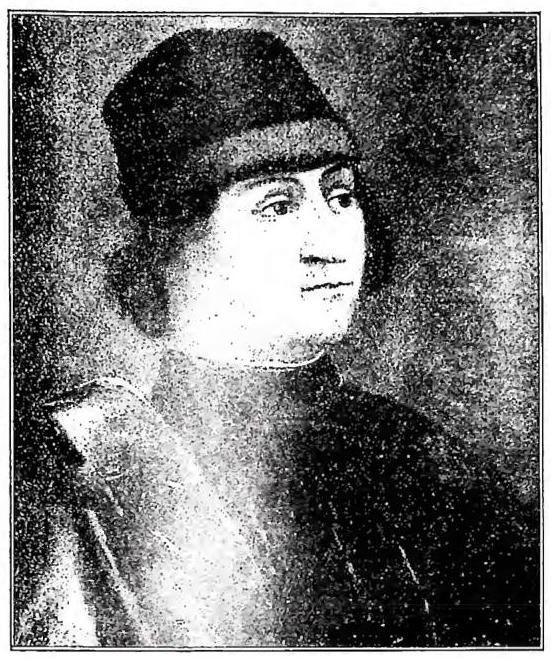
B. was in contact and correspondence with the most (phot. Alinari) BARBARO, ERMOLAO - Portrait. Sixteenth-century copy of a contemporary portrait - Florence, Uffizi Gallery.illustrious scholars of his time, such as Angelo Poliziano, Ficino, Pico della Mirandola, Vernia, and Elia del Medigo; he translated the works of Dioscorides and Themistius, and also undertook the translation of all Aristotle’s works, but was unable to go beyond the rhetorical and dialectical works. In addition to philosophical studies, B. also cultivated erudite studies with particular passion, and his Castigationes Plinianae on the text of Pliny’s Historia Naturalis, printed in Rome in 1492–93, were highly esteemed. He may rightly be regarded as the consummate humanist, not yet degenerated into a pedant.
BIBL.: A. Ferriguto, E. B. ecc., in Miscellanea di storia veneta, 3rd series, 15 (1922); Epistolae, Orationes et Carmina, critical edition edited by Vittore Branca, 2 vols., Florence 1943; this is the first edition to bring together this part of B.’s literary activity, which was dispersed among the manuscripts and printed works of his friends and correspondents. Pio Paschini
Cite this article
“BARBARO, ERMOLAO (IUNIORE).” Enciclopedia Cattolica, vol. II (1949), p. 488. Azione Romana digital edition, https://azioneromana.com/article/barbaro-ermolao-iuniore.