
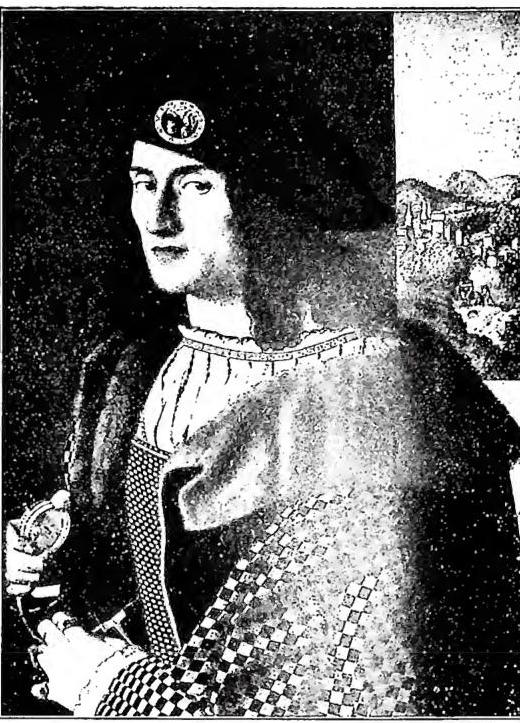
BARTOLOMEO VENETO. - Painter; records of his activity extend from 1502 (Madonna col Bambino, Correr Museum, formerly the Donà delle Rose collection) to 1530 (Ritratto Martinengo, National Gallery, London). Cremonese by origin, B. first worked in the Venetian milieu of Giov. Bellini, distinguishing himself by an incisive plastic exploration that suggests a direct recourse to Mantegna, rather than relations with the art of Dürer (Circonessione at the Louvre, 1506). Summoned to Ferrara, he painted in the rooms of Lucrezia Borgia (1505-1507); after a stay in Bergamo (Pietà, in S. Pietro at Orzio), he went to Milan, where he felt the influence of the Leonardesque masters, particularly Boltraffio (Madonna at the Ambrosiana, ca. 1512; S. Caterina in the Städelinstitut in Frankfurt). In his final period (after 1520) he shares in the precious Mannerist taste of the time, accentuating certain Nordic harshnesses typical of him, and the decorative richness
Maria Vittoria Brugnoli