
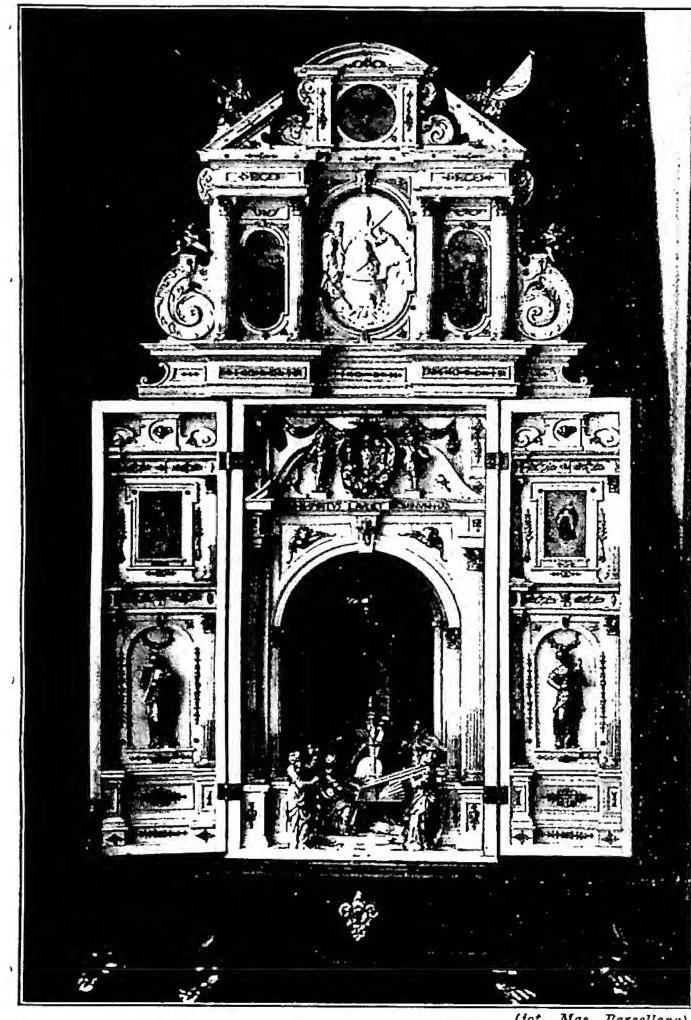
JAÉN, Diocese of. - Suffragan of the metropolis of Granada in Spain, included in the civil province of the same name, except for a southeastern part. The diocese has an area of 13,000 sq km with a population of 780,000 inhabitants, all Catholics, distributed in 158 parishes, served by 210 diocesan priests and 50 regulars, a seminary, 10 male religious communities and 65 female ones (1949).
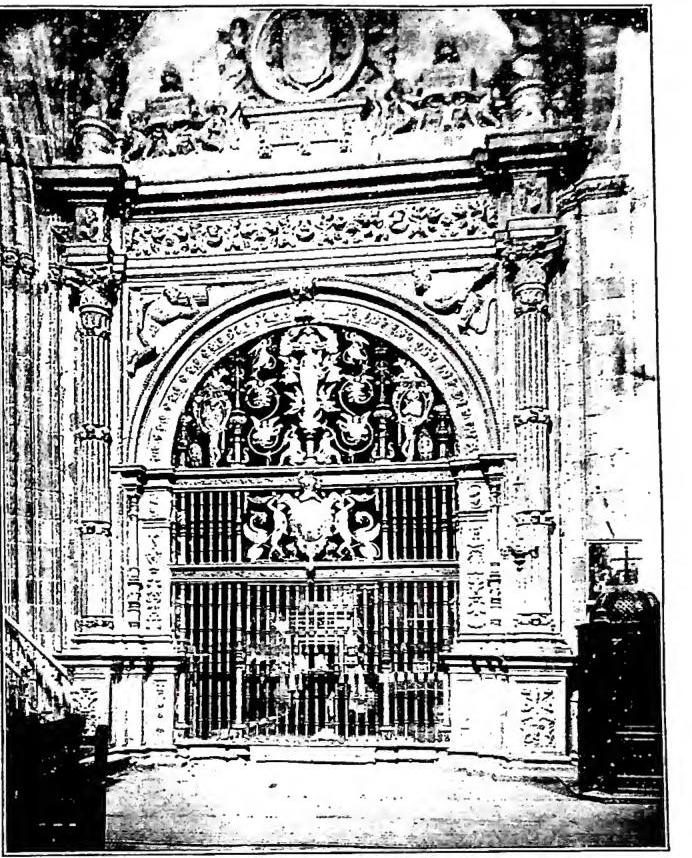
It was founded in 1248; but since in that year it was transferred from Baeza, and this see had from 675 the succession of the destroyed see of Castulo, which in turn in 298 had succeeded the ancient Iliturgia (Andujar) of the 1st century, as is believed in Spain, it is claimed to derive it from apostolic times and precisely from St. Euphrasius, who is the patron of the diocese. The city of Baeza had been razed to the ground during the invasion of the Almohad Muslims, but it was reconquered by St. Ferdinand in 1227, a happy event that immediately produced the reestablishment of the episcopal see. However, the same holy King, having defeated and driven the Moors from J. in 1246, obtained from Pope Innocent IV that the bishop move from Baeza to the new city; the faithful of Baeza, however, asked the same Pope that their diocese be preserved although united to that of J., and so it was done. To this day, therefore, the bishop of J. has two Cathedrals with two Chapters and two seminaries; the major one at J. (theology and philosophy), the minor one at Baeza (Latin and humanities). The cathedral of J. was rebuilt in 1540 and belongs to the style called Granadan, with a Latin cross and three naves. During the Marxist revolution 150 priests of this diocese were killed. Among the bishops worthy of mention are St. Peter Pascual (13th century) and the cardinals Merino, Sandoval and Pacheco, the latter famous for his intervention in the first part of the Council of Trent.
Bibliography4 works
Giuseppe M. Pou y Marti