
LORENZO MONACO. - Italian painter, b. in Siena in 1370 or 1371, d. in 1425. He carried on his activity mainly in Florence, where he went at about the age of twenty, entering the Camaldolese convent of S. Maria degli Angeli; in 1402 it appears that he also went to Rome.
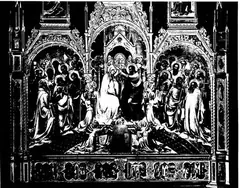
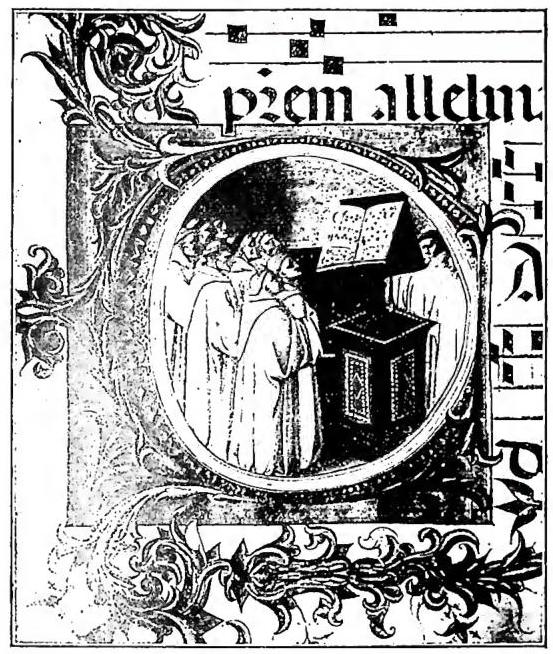
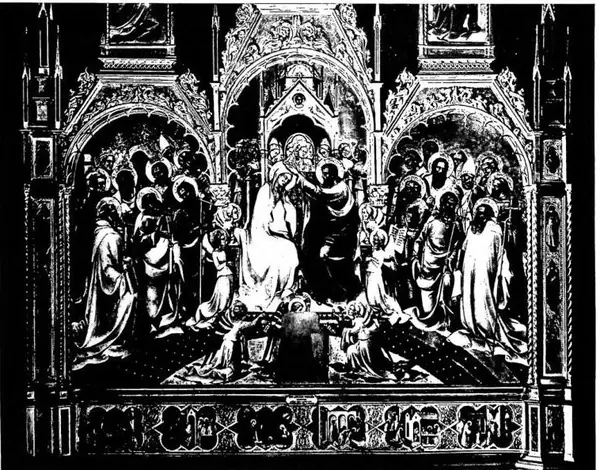
Of declaredly Sienese education, in Florence he drew close to the Orcagna, but toward the end he was more strongly affected by the currents of the International Gothic. The miniatures with half-figures of saints recently attributed to him (A. M. Ciaranfi, L. M. miniature, in L'arte, 1935, pp. 265-317) already show that fusion of Sienese and Florentine elements that is a characteristic of his art. Among the best-known works are remembered: The Virgin with Saints of the Pinacoteca of Siena; the Madonna Enthroned with Saints and Angels of the Museum of Berlin (ca. 1402-1403); The Pietà of the Accademia of Florence (1404); The Madonna with 4 Saints in the cathedral of Empoli (dated 1404); the Virgin of Humility in the Berenson collection (dated 1405), which reveal a search for plastic consistency that diminishes with the years, as the painter indulges in an increasingly pronounced Gothicism. Among the paintings of this second period are indicated The Agony in the Garden of the Louvre (1408), the miniatures of choir book 3 of the Laurenziana, the altarpiece for Monte Oliveto, now at the Uffizi (1406-10), the Coronation of the Uffizi (1413) and the altarpiece and frescoes with Stories of Mary in the Bartolini chapel in S. Trinita (ca. 1420-22).
A painter among the most important in the moment of transition from the Trecento to the Quattrocento, he influenced many of the Florentine artists of his time. - See pl. CVII.
Bibliography6 works
Gilberto Ronci