Machine translation of the 1948–1954 Italian original. The original text is authoritative.
ANTONINO da LODI. – Missionary, in the world Agostino Pezzoni, born on 19 November 1777, he became a Capuchin at Orta on 4 April 1796. After working for several years with zeal in the apostolic prefecture of Mesolcina, he was assigned (27 April 1805) to the mission of Hindustan, where he devoted himself enthusiastically to the study of the local languages and translated the Pentateuch, the Psalter, the New Testament, various liturgical books, and others for the instruction of the indigenous peoples. In 1824 he returned to Rome, where he submitted to the Congregation of Propaganda Fide a detailed report, rich in information about Tibet, Nepal, and Hindustan. Among the means he proposed for facilitating the conversion of pagans and the development of Christian life were the following: a) a seminary for the indigenous clergy; b) elementary schools dependent on the missions; c) study circles at the individual residences. The Congregation appointed him pri-
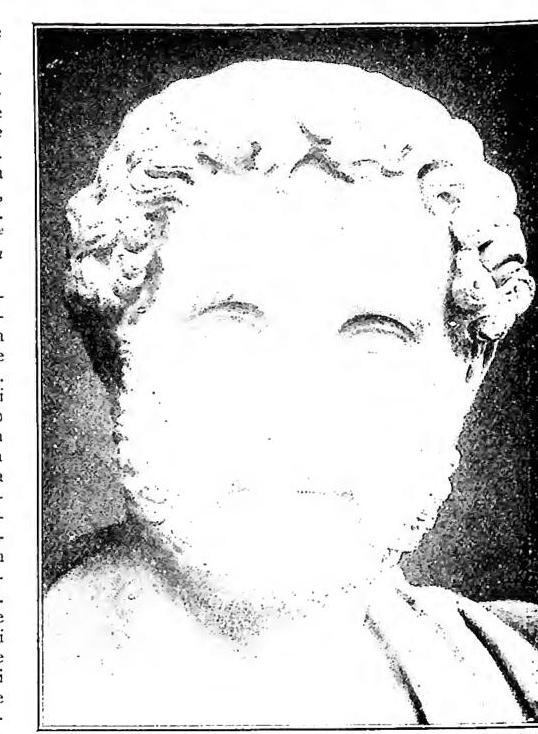
ANTONINO PIO - Bust (2nd cent.) - Vatican, Museo Chiaramonti.He was appointed the first apostolic vicar of Tibet and titular bishop of Hesebon. A. received episcopal consecration on 12 December 1825; he governed the mission for 16 years (1826–1842), multiplying his works of zeal and traversing the vast vicariate, until, exhausted by his labors, in 1842 he retired to the missionary college of S. Fedele in Rome, where for some time he taught Hindustani to future missionaries and compiled a Grammatica italiana e indostana, published in 1874. On 3 October 1844 he died in Lugano, in the Capuchin convent, where several of his manuscripts are still preserved.
BIBL.: Anon., Cenni biografici e ritratti di padri illustri dell'Ordine Cappuccino sublimati alle dignità ecclesiastiche, II, Rome 1850, pp. 52–55; Clemente da Terzorio, Le missioni del Min. Capp., IX, Rome 1935, pp. 234–47, 303–305; Monumenta Anastasiana. Documenta vitam et gesta servi Dei Anastasii Hartmanni collustranti, Lucerne 1939, pp. 1055–70 and passim. Melchiorre da Pobladura
Cite this article
“ANTONINO DA LODI.” Enciclopedia Cattolica, vol. I (1948), p. 918. Azione Romana digital edition, https://azioneromana.com/article/antonino-da-lodi.