
OUDTSHOORN, DIOCESE of — In the Union of South Africa, on territory detached on 3 August 1874 from the apostolic vicariate of the Western District of the Cape of Good Hope (now the diocese of Cape Town) and erected as the apostolic prefecture of the Central District of the Cape of Good Hope, entrusted to the missionaries of the Seminary of Lyon, Missions (v.). By virtue of the decree of 3 July 1879, the latter ceded it to the Congregation of the Holy Spirit, receiving in exchange the apostolic prefecture of the Gold Coast and Ivory Coast.
In 1882 these missionaries had to abandon it, and it was placed under the administration of the apostolic vicar of Cape Town, assisted by the secular clergy and the Oblates of St. Francis de Sales. On 20 June 1885 some districts formed the apostolic prefecture of the Orange River (now the diocese of Keimoes). In 1922 it was entrusted «vivae vocis oraculo» to the Pious Society of the Catholic Apostolate (Pallottine Fathers), as is shown by the rescript of 17 May 1923. On 16 March 1927 the civil district of Prieska was ceded to the apostolic vicariate of the Orange River, which in turn ceded the districts of Calvinia and Fraserburg.
On 28 June 1930 the districts of Worcester, Swelledam, Tulbagh Ceres, Riversdale, Montagu and Robertson were annexed to it by the apostolic vicariate of Cape Town, which in 1934 ceded the island of St. Helena. On 13 June 1939 it received its present designation; on 9 December 1948 it was raised to an apostolic vicariate, and on 11 January 1951, with the establishment of the hierarchy in the Union of South Africa, it was raised to a diocese.
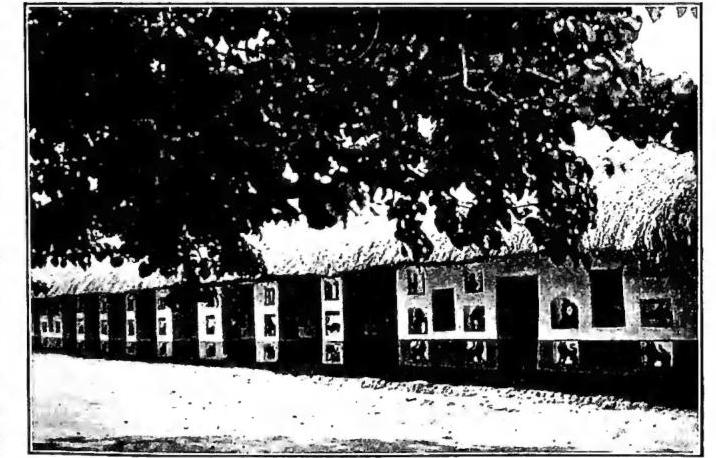
(phot. Fides)
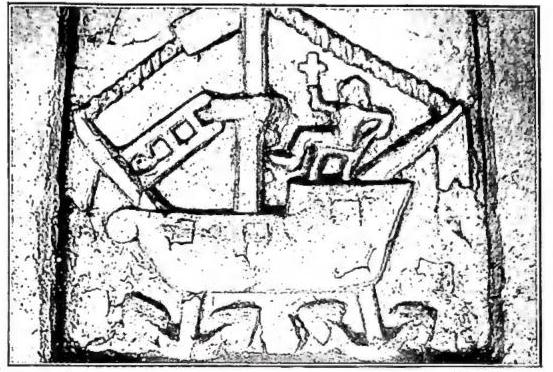
(phot. Fides) OUIDAH, APOSTOLIC VICARIATE of — Bas-relief of the Royal Palace of Abomey representing the arrival of a missionary by boat.