Machine translation of the 1948–1954 Italian original. The original text is authoritative.
ROSA da LIMA, santa. - Dominican virgin, born in Lima on Apr. 20, 1556, died there on Aug. 24, 1617. Daughter of Gaspar Flores and Maria Oliva, her baptismal name of Isabel was changed to that of R. Since childhood, avid for holiness, she took St. Catherine of Siena as her model, whom she was later able to imitate
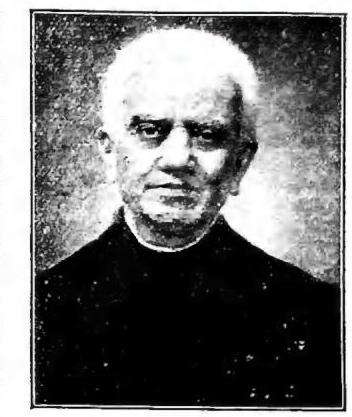
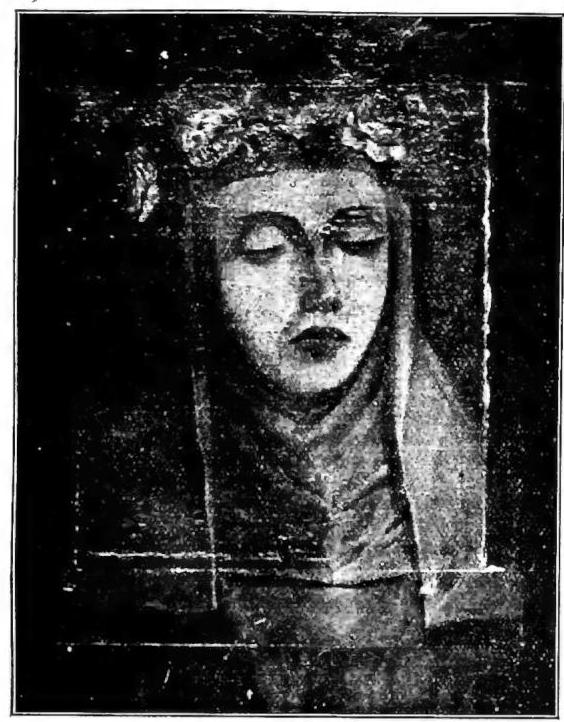
(courtesy of the Rev. Rector) ROSA, ENRICO - Portrait - Rome, Writers' College of Civiltà Cattolica.ROSA DA LIMA, santa - St. Rose of Lima dead, canvas by an anonymous artist. Lima, sanctuary. (phot. S. H. Notchera)even in her religious vocation, by entering the Third Order of St. Dominic (Aug. 10, 1606).
Her entire short life was a continuous exercise of harsh penances, accompanied by physical trials and especially by long spiritual aridities. She loved solitude and was endowed with a prophetic spirit.
She was beatified by Clement IX with a brief of Feb. 12, 1668 and canonized by Clement X on Apr. 12, 1671. Chronologically she is the first Saint of the New World; she was proclaimed patroness of Lima, Peru, and the Americas. Her feast day was initially celebrated on Aug. 26, and today on the 30th of the same month.
BIBL.: L. Hansen, Vita mirabilis et mors pretiosa venerabilis sororis R. de S. Maria, Limensis, ex Tertio Ordine S. P. Dominici, Roma 1664 (3rd ed., Lovanio 1668, included in the Acta SS.); S. Bertolini, La Rosa Peruana, overo vita della sposa di Christo suor R. di S. M..., Roma 1666; D. M. Marchese, Vita di s. R. di S. M., peruana, del Terz'ordine di S. Domenico, Napoli 1685; A. F. Giovagnoli, Vita di s. R. da L., domenicana, Roma 1768; M. T. de Bussiere, Le Péron et s. R. de L. (s. R. de Ste-M.), Parigi 1863; A. L. Masson, S. R., Tertiaire dominicaine, patronne du Nouveau Monde, Lione 1898 (II. trans. Venezia 1917, 1932); D. Angulo, S. R. de S. M. Estudio bibliográfico, Lima 1917; L. G. Alonso Getino, S. R. de L., Patrona de América. Su retrato corporal y su talla intelectual según los nuevos documentos, con riprod., Madrid 1943.
Cite this article
“ROSA DA LIMA, SANTA.” Enciclopedia Cattolica, vol. X (1953), p. 797. Azione Romana digital edition, https://azioneromana.com/article/rosa-da-lima-santa.