BEATIFICAZIONE

Beatification is an act by which the Supreme Pontiff permits that a servant of God in some region, city, diocese, or religious family may be publicly venerated with the title of Blessed; this may be done either by celebrating a festal day in his honor, or by commemorating him in the divine offices, or by reciting the office and celebrating the Mass of the Common, or by reciting an office with special lessons and celebrating a proper Mass, or by granting all these privileges together, according to the relevant provisions. It is therefore a permissive and not preceptive cult, limited and not extended to the whole Church.

I. THE BEATIFICATION IN LITURGY AND IN CANON LAW

There are two kinds of beatification: formal and equivalent. The latter concerns ancient causes of servants of God who, before the decrees of Urban VIII, by which ecclesiastical and public cult was forbidden to any person not beatified or canonized by the Apostolic See, already enjoyed such cult; for these cases, an extraordinary procedure is followed, as will be explained later.

1. – In formal beatification, the procedure follows the ordinary and regular path, the so-called *de non cultu*, which embraces all those causes of servants of God who never had any cult. These causes begin with three processes conducted by the ordinary of the place where the servant of God died, or spent the greater and principal part of his life, or where the miracles occurred.

The first process concerns the search and collection of the published and unpublished writings of the servant of God. The second aims to prove the fame of holiness, of the virtues and miracles or of martyrdom, and the absence of any peremptory obstacle; this process is called *informativo*. If historical causes are involved, it is necessary, according to the norms published by the Sacred Congregation of Rites on 4 January 1939 (cf. AAS, 31 [1939],
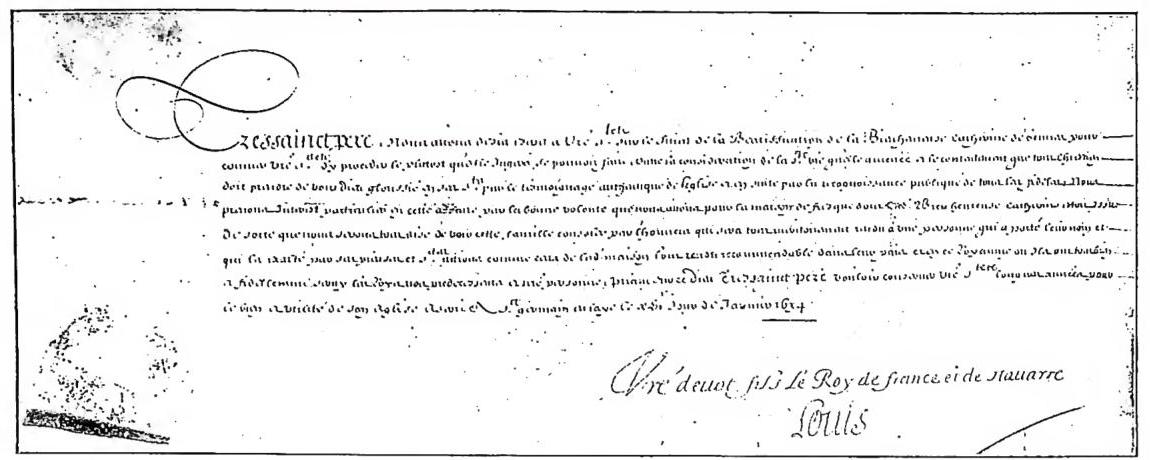
BEATIFICATION — Postulatory letter of Louis XIII for the beatification of the Venerable Catherine of Genoa (16 Jan. 1634). Vatican City, Archive of the Sacred Congregation of Rites.

pp. 174-75, see the commentary by J. Jaroš in Apollinaris, 12 [1939], pp. 451-59) that the ordinary constitute a commission of at least three persons of proven competence in historical studies and archival research. To them falls, in solidum, the task of carrying out the complete collection of written sources relating to the life, virtues or martyrdom, ancient fame of holiness or martyrdom, etc. The same persons must then be summoned in the process as official witnesses to enumerate and describe in particular the investigations conducted, and to attest to the authenticity and value of the individual documents or texts, which will be appended to the process either in original or in photograph or in authenticated copy. In the third process it must be demonstrated that the servant of God was never honored with ecclesiastical and public cult.

The three aforesaid processes, in a single copy called the transcript, are sent closed and sealed to the Sacred Congregation of Rites, which takes charge of their opening and, according to the prescribed norms, the public copy to be used by the parties. After the examination of the writings, carried out by two theological censors, if nothing is found therein that is less consonant with the faith or in any way offends the conscience of the faithful, the examination of the informative process concerning the fame of holiness or martyrdom and the absence of any peremptory obstacle is proceeded with. This discussion is based on the Positio super introductione Causae, prepared by the advocate in recent causes and officially by the Historical Section in historical causes. The principal part of this position is constituted by the summary, where the main depositions of the witnesses or the principal documents critically presented by the Historical Section are collected. There are also inserted the judgments of the theological censors on the writings of the servant of God and the postulatory letters of ecclesiastical or lay personalities or entities that petition the Holy Father for the introduction of the Cause. If the vote of the cardinals belonging to the same Sacred Congregation is favorable, the Pope signs (with his baptismal name) the so-called commission for the introduction of the Cause, by which the cause passes under the full jurisdiction of the Apostolic See. The process of non-cult is then discussed; and should there be indications or arguments of cult, the cause is suspended, to resume its course only after every sign of cult has been removed.

At this point the cause enters a new phase, because the Sacred Congregation of Rites sends to the bishop who conducted the informative process the letters rogatory to instruct the apostolic process on the fame of holiness and its continuation, on the virtues, and on the miracles in particular, or on the martyrdom and its cause. In historical causes, the study of the documentation, carried out by the Historical Section, takes the place of the apostolic process.

Article illustration
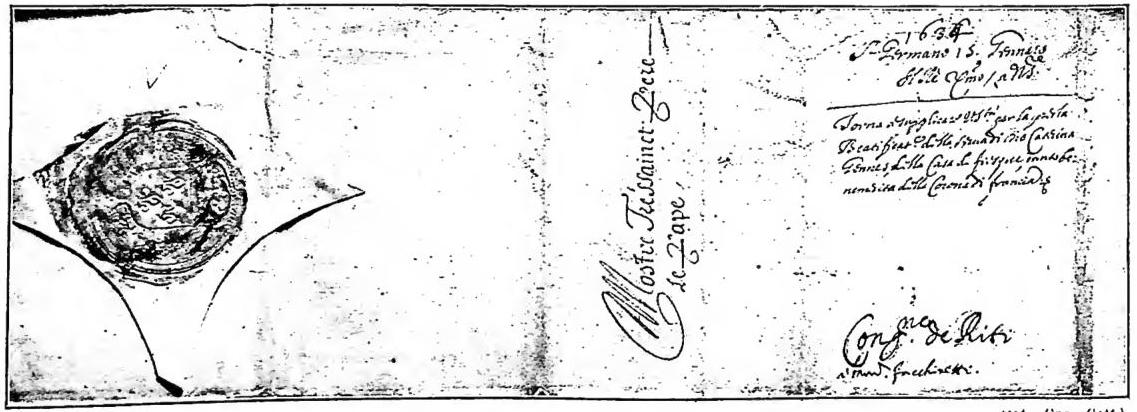
Beatification — Reverse side of the same letter with seal, address, and official annotations.

BEATIFICATION — Reverse side of the same letter with seal, address, and official annotations. (Vol. Enc. Catt.)

Article illustration

For the apostolic process on the fame of holiness, a dispensation may be requested if the existence of the fame of holiness is sufficiently proven by the informative process. Once the process is completed and sent to Rome, it is joined with the informative process; both are examined for validity, that is, whether the norms established by the Code of Canon Law have been observed. Once the validity of the processes is recognized, it is discussed, in three successive meetings, called congregations, whether the Servant of God exercised the theological and cardinal virtues in a heroic degree, and, in the case of martyrs’ causes, whether martyrdom, its cause, and the signs or miracles that accompanied it are established. By virtue of canon 2101 of the Code of Canon Law, it is forbidden to proceed with the promulgation of the relative decree, by which the Servant of God is granted the title of Venerable, which, however, does not imply any permission for public cult (CIC, can. 2115, § 2).

The judgment on the heroicity of the virtues requires the confirmation of miracles worked through the intercession of the Servant of God (CIC, can. 2116). Two miracles suffice if the proof of the virtues was provided by witnesses de visu in both processes, informative and apostolic, or even if the witnesses of the apostolic process are at least de auditu from those who saw. If the proof of the virtues is drawn from witnesses de visu in the informative process and de auditu auditus in the apostolic one, three miracles are

**J. M. L. L. L. L. L. L. L. L. L. L. L. L. L. L. L. M. L. L. L. L. L. L. L. L. L. L. L. L. L. M. M. L. L. L. L. L. L. L. L. L. L. L. L. L. L. L. M. L. L. L. L. L. L. L. L. L. L. L. L. L. M. M. L. L. L. L. L. L. L. L. L. L. L. L. L. L. L. M. L. L. L. L. L. L. L. L. L. L. L. L. L. M. M. L. L. L. L. L. L. L. L. L. L. L. L. L. L. L. M. L. L. L. L. L. L. L. L. L. L. L. L. L. M. M. L. L. L. L. L. L. L. L. L. L. L. L. L. L. L. M. L. L. L. L. L. L. L. L. L. L. L. L. L. M. M. L. L. L. L. L. L. L. L. L. L. L. L. L. L. L. M. L. L. L. L. L. L. L. L. L. L. L. L. L. M. M. L. L. L. L. L. L. L. L. L. L. L. L. L. L. L. M. L. L. L. L. L. L. L. L. L. L. L. L. L. M. M. L. L. L. L. L. L. L. L. L. L. L. L. L. L. L. M. L. L. L. L. L. L. L. L. L. L. L. L. L. M. M. L. L. L. L. L. L. L. L. L. L. L. L. L. L. L. M. L. L. L. L. L. L. L. L. L. L. L. L. L. M. M. L. L. L. L. L. L. L. L. L. L. L. L. L. L. L. M. L. L. L. L. L. L. L. L. L. L. L. L. L. M. M. L. L. L. L. L. L. L. L. L. L. L. L. L. L. L. M. L. L. L. L. L. L. L. L. L. L. L. L. L. M. M. L. L. L. L. L. L. L. L. L. L. L. L. L. L. L. M. L. L. L. L. L. L. L. L. L. L. L. L. L. M. M. L. L. L. L. L. L. L. L. L. L. L. L. L. L. L. M. L. L. L. L. L. L. L. L. L. L. L. L. L. M. M. L. L. L. L. L. L. L. L. L. L. L. L. L. L. L. M. L. L. L. L. L. L. L. L. L. L. L. L. L. M. M. L. L. L. L. L. L. L. L. L. L. L. L. L. L. L. M. L. L. L. L. L. L. L. L. L. L. L. L. L. M. M. L. L. L. L. L. L. L. L. L. L. L. L. L. L. L. M. L. L. L. L. L. L. L. L. L. L. L. L. L. M. M. L. L. L. L. L. L. L. L. L. L. L. L. L. L. L. M. L. L. L. L. L. L. L. L. L. L. L. L. L. M. M. L. L. L. L. L. L. L. L. L. L. L. L. L. L. L. M. L. L. L. L. L. L. L. L. L. L. L. L. L. M. M. L. L. L. L. L. L. L. L. L. L. L. L. L. L. L. M. L. L. L. L. L. L. L. L. L. L. L. L. L. M. M. L. L. L. L. L. L. L. L. L. L. L. L. L. L. L. M. L. L. L. L. L. L. L. L. L. L. L. L. L. M. M. L. L. L. L. L. L. L. L. L. L. L. L. L. L. L. M. L. L. L. L. L. L. L. L. L. L. L. L. L. M. M. L. L. L. L. L. L. L. L. L. L. L. L. L. L. L. M. L. L. L. L. L. L. L. L. L. L. L. L. L. M. M. L. L. L. L. L. L. L. L. L. L. L. L. L. L. L. M. L. L. L. L. L. L. L. L. L. L. L. L. L. M. M. L. L. L. L. L. L. L. L. L. L. L. L. L. L. L. M. L. L. L. L. L. L. L. L. L. L. L. L. L. M. M. L. L. L. L. L. L. L. L. L. L. L. L. L. L. L. M. L. L. L. L. L. L. L. L. L. L. L. L. L. M. M. L. L. L. L. L. L. L. L. L. L. L. L. L. L. L. M. L. L. L. L. L. L. L. L. L. L. L. L. L. M. M. L. L. L. L. L. L. L. L. L. L. L. L. L. L. L. M. L. L. L. L. L. L. L. L. L. L. L. L. L. M. M. L. L. L. L. L. L. L. L. L. L. L. L. L. L. L. M. L. L. L. L. L. L. L. L. L. L. L. L. L. M. M. L. L. L. L. L. L. L. L. L. L. L. L. L. L. L. M. L. L. L. L. L. L. L. L. L. L. L. L. L. M. M. L. L. L. L. L. L. L. L. L. L. L. L. L. L. L. M. L. L. L. L. L. L. L. L. L. L. L. L. L. M. M. L. L. L. L. L. L. L. L. L. L. L. L. L. L. L. M. L. L. L. L. L. L. L. L. L. L. L. L. L. M. M. L. L. L. L. L. L. L. L. L. L. L. L. L. L. L. M. L. L. L. L. L. L. L. L. L. L. L. L. L. M. M. L. L. L. L. L. L. L. L. L. L. L. L. L. L. L. M. L. L. L. L. L. L. L. L. L. L. L. L. L. M. M. L. L. L. L. L. L. L. L. L. L. L. L. L. L. L. M. L. L. L. L. L. L. L. L. L. L. L. L. L. M. M. L. L. L. L. L. L. L. L. L. L. L. L. L. L. L. M. L. L. L. L. L. L. L. L. L. L. L. L. L. M. M. L. L. L. L. L. L. L. L. L. L. L. L. L. L. L. M. L. L. L. L. L. L. L. L. L. L. L. L. L. M. M. L. L. L. L. L. L. L. L. L. L. L. L. L. L. L. M. L. L. L. L. L. L. L. L. L. L. L. L. L. M. M. L. L. L. L. L. L. L. L. L. L. L. L. L. L. L. M. L. L. L. L. L. L. L. L. L. L. L. L. L. M. M. L. L. L. L. L. L. L. L. L. L. L. L. L. L. L. M. L. L. L. L. L. L. L. L. L. L. L. L. L. M. M. L. L. L. L. L. L. L. L. L. L. L. L. L. L. L. M. L. L. L. L. L. L. L. L. L. L. L. L. L. M. M. L. L. L. L. L. L. L. L. L. L. L. L. L. L. L. M. L. L. L. L. L. L. L. L. L. L. L. L. L. M. M. L. L. L. L. L. L. L. L. L. L. L. L. L. L. L. M. L. L. L. L. L. L. L. L. L. L. L. L. L. M. M. L. L. L. L. L. L. L. L. L. L. L. L. L. L. L. M. L. L. L. L. L. L. L. L. L. L. L. L. L. M. M. L. L. L. L. L. L. L. L. L. L. L. L. L. L. L. M. L. L. L. L. L. L. L. L. L. L. L. L. L. M. M. L. L. L. L. L. L. L. L. L. L. L. L. L. L. L. M. L. L. L. L. L. L. L. L. L. L. L. L. L. M. M. L. L. L. L. L. L. L. L. L. L. L. L. L. L. L. M. L. L. L. L. L. L. L. L. L. L. L. L. L. M. M. L. L. L. L. L. L. L. L. L. L. L. L. L. L. L. M. L. L. L. L. L. L. L. L. L. L. L. L. L. M. M. L. L. L. L. L. L. L. L. L. L. L. L. L. L. L. M. L. L. L. L. L. L. L. L. L. L. L. L. L. M. M. L. L. L. L. L. L. L. L. L. L. L. L. L. L. L. M. L. L. L. L. L. L. L. L. L. L. L. L. L. M. M. L. L. L. L. L. L. L. L. L. L. L. L. L. L. L. M. L. L. L. L. L. L. L. L. L. L. L. L. L. M. M. L. L. L. L. L. L. L. L. L. L. L. L. L. L. L. M. L. L. L. L. L. L. L. L. L. L. L. L. L. M. M. L. L. L. L. L. L. L. L. L. L. L. L. L. L. L. M. L. L. L. L. L. L. L. L. L. L. L. L. L. M. M. L. L. L. L. L. L. L. L. L. L. L. L. L. L. L. M. L. L. L. L. L. L. L. L. L. L. L. L. L. M. M. L. L. L. L. L. L. L. L. L. L. L. L. L. L. L. M. L. L. L. L. L. L. L. L. L. L. L. L. L. M. M. L. L. L. L. L. L. L. L. L. L. L. L. L. L. L. M. L. L. L. L. L. L. L. L. L. L. L. L. L. M. M. L. L. L. L. L. L. L. L. L. L. L. L. L. L. L. M. L. L. L. L. L. L. L. L. L. L. L. L. L. M. M. L. L. L. L. L. L. L. L. L. L. L. L. L. L. L. M. L. L. L. L. L. L. L. L. L. L. L. L. L. M. M. L. L. L. L. L. L. L. L. L. L. L. L. L. L. L. M. L. L. L. L. L. L. L. L. L. L. L. L. L. M. M. L. L. L. L. L. L. L. L. L. L. L. L. L. L. L. M. L. L. L. L. L. L. L. L. L. L. L. L. L. M. M. L. L. L. L. L. L. L. L. L. L. L. L. L. L. L. M. L. L. L. L. L. L. L. L. L. L. L. L. L. M. M. L. L. L. L. L. L. L. L. L. L. L. L. L. L. L. M. L. L. L. L. L. L. L. L. L. L. L. L. L. M. M. L. L. L. L. L. L. L. L. L. L. L. L. L. L. L. M. L. L. L. L. L. L. L. L. L. L. L. L. L. M. M. L. L. L. L. L. L. L. L. L. L. L. L. L. L. L. M. L. L. L. L. L. L. L. L. L. L. L. L. L. M. M. L. L. L. L. L. L. L. L. L. L. L. L. L. L. L. M. L. L. L. L. L. L. L. L. L. L. L. L. L. M. M. L. L. L. L. L. L. L. L. L. L. L. L. L. L. L. M. L. L. L. L. L. L. L. L. L. L. L. L. L. M. M. L. L. L. L. L. L. L. L. L. L. L. L. L. L. L. M. L. L. L. L. L. L. L. L. L. L. L. L. L. M. M. L. L. L. L. L. L. L. L. L. L. L. L. L. L. L. M. L. L. L. L. L. L. L. L. L. L. L. L. L. M. M. L. L. L. L. L. L. L. L. L. L. L. L. L. L. L. M. L. L. L. L. L. L. L. L. L. L. L. L. L. M. M. L. L. L. L. L. L. L. L. L. L. L. L. L. L. L. M. L. L. L. L. L. L. L. L. L. L. L. L. L. M. M. L. L. L. L. L. L. L. L. L. L. L. L. L. L. L. M. L. L. L. L. L. L. L. L. L. L. L. L. L. M. M. L. L. L. L. L. L. L. L. L. L. L. L. L. L. L. M. L. L. L. L. L. L. L. L. L. L. L. L. L. M. M. L. L. L. L. L. L. L. L. L. L. L. L. L. L. L. M. L. L. L. L. L. L. L. L. L. L. L. L. L. M. M. L. L. L. L. L. L. L. L. L. L. L. L. L. L. L. M. L. L. L. L. L. L. L. L. L. L. L. L. L. M. M. L. L. L. L. L. L. L. L. L. L. L. L. L. L. L. M. L. L. L. L. L. L. L. L. L. L. L. L. L. M. M. L. L. L. L. L. L. L. L. L. L. L. L. L. L. L. M. L. L. L. L. L. L. L. L. L. L. L. L. L. M. M. L. L. L. L. L. L. L. L. L. L. L. L. L. L. L. M. L. L. L. L. L. L. L. L. L. L. L. L. L. M. M. L. L. L. L. L. L. L. L. L. L. L. L. L. L. L. M. L. L. L. L. L. L. L. L. L. L. L. L. L. M. M. L. L. L. L. L. L. L. L. L. L. L. L. L. L. L. M. L. L. L. L. L. L. L. L. L. L. L. L. L. M. M. L. L. L. L. L. L. L. L. L. L. L. L. L. L. L. M. L. L. L. L. L. L. L. L. L. L. L. L. L. M. M. L. L. L. L. L. L. L. L. L. L. L. L. L. L. L. M. L. L. L. L. L. L. L. L. L. L. L. L. L. M. M. L. L. L. L. L. L. L. L. L. L. L. L. L. L. L. M. L. L. L. L. L. L. L. L. L. L. L. L. L. M. M. L. L. L. L. L. L. L. L. L. L. L. L. L. L. L. M. L. L. L. L. L. L. L. L. L. L. L. L. L. M. M. L. L. L. L. L. L. L. L. L. L. L. L. L. L. L. M. L. L. L. L. L. L. L. L. L. L. L. L. L. M. M. L. L. L. L. L. L. L. L. L. L. L. L. L. L. L. M. L. L. L. L. L. L. L. L. L. L. L. L. L. M. M. L. L. L. L. L. L. L. L. L. L. L. L. L. L. L. M. L. L. L. L. L. L. L. L. L. L. L. L. L. M. M. L. L. L. L. L. L. L. L. L. L. L. L. L. L. L. M. L. L. L. L. L. L. L. L. L. L. L. L. L. M. M. L. L. L. L. L. L. L. L. L. L. L. L. L. L. L. M. L. L. L. L. L. L. L. L. L. L. L. L. L. M. M. L. L. L. L. L. L. L. L. L. L. L. L. L. L. L. M. L. L. L. L. L. L. L. L. L. L. L. L. L. M. M. L. L. L. L. L. L. L. L. L. L. L. L. L. L. L. M. L. L. L. L. L. L. L. L. L. L. L. L. L. M. M. L. L. L. L. L. L. L. L. L. L. L. L. L. L. L. M. L. L. L. L. L. L. L. L. L. L. L. L. L. M. M. L. L. L. L. L. L. L. L. L. L. L. L. L. L. L. M. L. L. L. L. L. L. L. L. L. L. L. L. L. M. M. L. L. L. L. L. L. L. L. L. L. L. L. L. L. L. M. L. L. L. L. L. L. L. L. L. L. L. L. L. M. M. L. L. L. L. L. L. L. L. L. L. L. L. L. L. L. M. L. L. L. L. L. L. L. L. L. L. L. L. L. M. M. L. L. L. L. L. L. L. L. L. L. L. L. L. L. L. M. L. L. L. L. L. L. L. L. L. L. L. L. L. M. M. L. L. L. L. L. L. L. L. L. L. L. L. L. L. L. M. L. L. L. L. L. L. L. L. L. L. L. L. L. M. M. L. L. L. L. L. L. L. L. L. L. L. L. L. L. L. M. L. L. L. L. L. L. L. L. L. L. L. L. L. M. M. L. L. L. L. L. L. L. L. L. L. L. L. L. L. L. M. L. L. L. L. L. L. L. L. L. L. L. L. L. M. M. L. L. L. L. L. L. L. L. L. L. L. L. L. L. L. M. L. L. L. L. L. L. L. L. L. L. L. L. L. M. M. L. L. L. L. L. L. L. L. L. L. L. L. L. L. L. M. L. L. L. L. L. L. L. L. L. L. L. L. L. M. M. L. L. L. L. L. L. L. L. L. L. L. L. L. L. L. M. L. L. L. L. L. L. L. L. L. L. L. L. L. M. M. L. L. L. L. L. L. L. L. L. L. L. L. L. L. L. M. L. L. L. L. L. L. L. L. L. L. L. L. L. M. M. L. L. L. L. L. L. L. L. L. L. L. L. L. L. L. M. L. L. L. L. L. L. L. L. L. L. L. L. L. M. M. L. L. L. L. L. L. L. L. L. L. L. L. L. L. L. M. L. L. L. L. L. L. L. L. L. L. L. L. L. M. M. L. L. L. L. L. L. L. L. L. L. L. L. L. L. L. M. L. L. L. L. L. L. L. L. L. L. L. L. L. M. M. L. L. L. L. L. L. L. L. L. L. L. L. L. L. L. M. L. L. L. L. L. L. L. L. L. L. L. L. L. M. M. L. L. L. L. L. L. L. L. L. L. L. L. L. L. L. M. L. L. L. L. L. L. L. L. L. L. L. L. L. M. M. L. L. L. L. L. L. L. L. L. L. L. L. L. L. L. M. L. L. L. L. L. L. L. L. L. L. L. L. L. M. M. L. L. L. L. L. L. L. L. L. L. L. L. L. L. L. M. L. L. L. L. L. L. L. L. L. L. L. L. L. M. M. L. L. L. L. L. L. L. L. L. L. L. L. L. L. L. M. L. L. L. L. L. L. L. L. L. L. L. L. L. M. M. L. L. L. L. L. L. L. L. L. L. L. L. L. L. L. M. L. L. L. L. L. L. L. L. L. L. L. L. L. M. M. L. L. L. L. L. L. L. L. L. L. L. L. L. L. L. M. L. L. L. L. L. L. L. L. L. L. L. L. L.

Congregation, to be better illuminated, may entrust the case to the competence of a most expert peritus.

By a disposition now in force (1949) and on an experimental basis for one year, a medical commission is established at the Sacred Congregation of Rites, with the purpose of studying the entire scientific aspect of the miracle. The opinions of the experts are discussed by the members of the commission, whose secretary at the end makes a final report from the medical point of view. This commission takes the place of the antepreparatory congregation.

Once the discussion of the miracles has been favorably concluded, the way is opened to the beatification. However, a final general congregation before the Pope is still required to establish: “whether it is possible to proceed with certainty to the beatification of the Servant of God.” This is a new element that demonstrates the care and caution the Church employs in acts of such great importance. Having heard the opinions of the consultors, the prelates, and the cardinals, the Supreme Pontiff, if and when he deems fit, orders the publication of the decree, called the Tuto. And when he has then fixed the day on which the solemn formal beatification is to be celebrated in St. Peter’s Basilica, it begins with the promulgation of the apostolic brief, by which it is granted that from that day the Venerable Servant of God may take the title of Blessed and that the acts of veneration proper to the blessed may be attributed to him; the image of the newly beatified is then uncovered, a solemn Te Deum of thanksgiving is sung, and then the pontifical Mass is celebrated, the first act of worship toward the blessed. In the evening, the Pope descends into St. Peter’s Basilica to venerate the new blessed.

2. — There is also an equivalent beatification, reserved for exceptional cases of those Servants of God who, at least for one hundred years prior to the decree of Pope Urban VIII (1634), were in peaceful possession of the cult that has continued to the present. The handling of causes of this kind, before the Code of Canon Law was promulgated in 1917, was shorter and more rapid; for if the process conducted by the ordinary demonstrated the existence of that ancient cult and its continuation, the Holy See merely confirmed that cult; and in this confirmation consisted the equivalent beatification. With the Code now in force, the procedure is longer, but it offers greater guarantees of security and demonstrates the prudence of the Roman Church, which in evaluating ancient documents takes into account the norms suggested by sound historical criticism, which cannot and must not be neglected.

Therefore, by virtue of the new provisions, the ordinary examines the writings of the Servant of God and conducts the process on the constant reputation of holiness of life and of virtues or martyrdom, as well as on the present cult. The process is sent to the Sacred Congregation of Rites; and, after a rigorous study by the historical section, established by Pius XI on 6 February 1930 within the same Sacred Congregation of Rites, the cardinals in an ordinary congregation discuss: “whether the introduction of the cause should be decreed.” Once the decree is signed by the Pope, the historical section takes on the task of conducting the apostolic process on the life, virtues or martyrdom of the Servant of God and on the cult, so as to ascertain its beginning and continuation, and issues its sentence. The position thus prepared, with the addition of the objections of the Promoter General of the Faith and the responses of the advocate, is examined in an ordinary congregation, which deliberates: “whether the exceptional case of the cult is so proven that further steps may be taken.” If the affirmative judgment of the Sacred Congregation is confirmed by the Pope, it has no other value than to prove the fact of immemorial cult.

Then, on the basis of a position prepared by the same historical section and accompanied by the objections of the Promoter General of the Faith and the responses of the advocate, it is examined in an ordinary congregation, which deliberates: “whether the exceptional case of the cult is so proven that further steps may be taken.” If the affirmative judgment of the Sacred Congregation is confirmed by the Pope, it has no other value than to prove the fact of immemorial cult.

Then, on the basis of a position prepared by the same historical section and accompanied by the objections of the Promoter General of the Faith and the responses of the advocate, it is examined in an ordinary congregation, which deliberates: “whether the exceptional case of the cult is so proven that further steps may be taken.” If the affirmative judgment of the Sacred Congregation is confirmed by the Pope, it has no other value than to prove the fact of immemorial cult.

Then, on the basis of a position prepared by the same historical section and accompanied by the objections of the Promoter General of the Faith and the responses of the advocate, it is examined in an ordinary congregation, which deliberates: “whether the exceptional case of the cult is so proven that further steps may be taken.” If the affirmative judgment of the Sacred Congregation is confirmed by the Pope, it has no other value than to prove the fact of immemorial cult.An affirmative judgment by the Holy Congregation, if confirmed by the Pope, has no other value than that of proving the fact of immemorial cult. Then, on the basis of a report prepared by the historical section itself and accompanied by the objections of the Promoter General of the Faith and the responses of the Advocate, it is examined in an ordinary congregation which deliberates: "whether the exceptional case of the cult is so well proven that we may proceed further."

An affirmative judgment by the Holy Congregation, if confirmed by the Pope, has no other value than that of proving the fact of immemorial cult. Then, on the basis of a report prepared by the historical section itself and accompanied by the objections of the Promoter General of the Faith and the responses of the Advocate, it is examined in an ordinary congregation which deliberates: "whether the exceptional case of the cult is so well proven that we may proceed further."

An affirmative judgment by the Holy Congregation, if confirmed by the Pope, has no other value than that of proving the fact of immemorial cult. Then, on the basis of a report prepared by the historical section itself and accompanied by the objections of the Promoter General of the Faith and the responses of the Advocate, it is examined in an ordinary congregation which deliberates: "whether the exceptional case of the cult is so well proven that we may proceed further."

Article illustration

An affirmative judgment by the Holy Congregation, if confirmed by the Pope, has no other value than that of proving the fact of immemorial cult. Then, on the basis of a report prepared by the historical section itself and accompanied by the objections of the Promoter General of the Faith and the responses of the Advocate, it is examined in an ordinary congregation which deliberates: "whether the exceptional case of the cult is so well proven that we may proceed further."

An affirmative judgment by the Holy Congregation, if confirmed by the Pope, has no other value than that of proving the fact of immemorial cult. Then, on the basis of a report prepared by the historical section itself and accompanied by the objections of the Promoter General of the Faith and the responses of the Advocate, it is examined in an ordinary congregation which deliberates: "whether the exceptional case of the cult is so well proven that we may proceed further."Based on a position prepared by the historical section and accompanied by the objections of the Promoter General of the Faith and the responses of the advocate, it is examined in an ordinary congregation that deliberates: *"whether the exceptional case of the cult is so sufficiently proven that one may proceed further."* The affirmative judgment of the Sacred Congregation, if confirmed by the Pontiff, has no other value than that of proving the fact of immemorial cult.

Based on a position prepared by the historical section and accompanied by the objections of the Promoter General of the Faith and the responses of the advocate, it is examined in an ordinary congregation that deliberates: *"whether the exceptional case of the cult is so sufficiently proven that one may proceed further."* The affirmative judgment of the Sacred Congregation, if confirmed by the Pontiff, has no other value than that of proving the fact of immemorial cult.

Based on a position prepared by the historical section and accompanied by the objections of the Promoter General of the Faith and the responses of the advocate, it is examined in an ordinary congregation that deliberates: *"whether the exceptional case of the cult is so sufficiently proven that one may proceed further."* The affirmative judgment of the Sacred Congregation, if confirmed by the Pontiff, has no other value than that of proving the fact of immemorial cult.

Based on a position prepared by the historical section and accompanied by the objections of the Promoter General of the Faith and the responses of the advocate, it is examined in an ordinary congregation that deliberates: *"whether the exceptional case of the cult is so sufficiently proven that one may proceed further."* The affirmative judgment of the Sacred Congregation, if confirmed by the Pontiff, has no other value than that of proving the fact of immemorial cult.

Based on a position prepared by the historical section and accompanied by the objections of the Promoter General of the Faith and the responses of the advocate, it is examined in an ordinary congregation that deliberates: *"whether the exceptional case of the cult is so sufficiently proven that one may proceed further."* The affirmative judgment of the Sacred Congregation, if confirmed by the Pontiff, has no other value than that of proving the fact of immemorial cult.

Based on a position prepared by the historical section and accompanied by the objections of the Promoter General of the Faith and the responses of the advocate, it is examined in an ordinary congregation that deliberates: *"whether the exceptional case of the cult is so sufficiently proven that one may proceed further."* The affirmative judgment of the Sacred Congregation, if confirmed by the Pontiff, has no other value than that of proving the fact of immemorial cult.Based on a position prepared by the historical section and accompanied by the objections of the Promoter General of the Faith and the responses of the advocate, it is examined in an ordinary congregation that deliberates: *"whether the exceptional case of the cult is so sufficiently proven that one may proceed further."* The affirmative judgment of the Sacred Congregation, if confirmed by the Pontiff, has no other value than that of proving the fact of immemorial cult. Based on a position prepared by the historical section and accompanied by the objections of the Promoter General of the Faith and the responses of the advocate, it is examined in an ordinary congregation that deliberates: *"whether the exceptional case of the cult is so sufficiently proven that one may proceed further."* The affirmative judgment of the Sacred Congregation, if confirmed by the Pontiff, has no other value than that of proving the fact of immemorial cult. Based on a position prepared by the historical section and accompanied by the objections of the Promoter General of the Faith and the responses of the advocate, it is examined in an ordinary congregation that deliberates: *"whether the exceptional case of the cult is so sufficiently proven that one may proceed further."* The affirmative judgment of the Sacred Congregation, if confirmed by the Pontiff, has no other value than that of proving the fact of immemorial cult. Based on a position prepared by the historical section and accompanied by the objections of the Promoter General of the Faith and the responses of the advocate, it is examined in an ordinary congregation that deliberates: *"whether the exceptional case of the cult is so sufficiently proven that one may proceed further."* The affirmative judgment of the Sacred Congregation, if confirmed by the Pontiff, has no other value than that of proving the fact of immemorial cult. Based on a position prepared by the historical section and accompanied by the objections of the Promoter General of the Faith and the responses of the advocate, it is examined in an ordinary congregation that deliberates: *"whether the exceptional case of the cult is so sufficiently proven that one may proceed further."* The affirmative judgment of the Sacred Congregation, if confirmed by the Pontiff, has no other value than that of proving the fact of immemorial cult. Based on a position prepared by the historical section and accompanied by the objections of the Promoter General of the Faith and the responses of the advocate, it is examined in an ordinary congregation that deliberates: *"whether the exceptional case of the cult is so sufficiently proven that one may proceed further."* The affirmative judgment of the Sacred Congregation, if confirmed by the Pontiff, has no other value than that of proving the fact of immemorial cult.Based on a position prepared by the historical section and accompanied by the objections of the Promoter General of the Faith and the responses of the advocate, it is examined in an ordinary congregation that deliberates: *"whether the exceptional case of the cult is so sufficiently proven that one may proceed further."* The affirmative judgment of the Sacred Congregation, if confirmed by the Pontiff, has no other value than that of proving the fact of immemorial cult.

Based on a position prepared by the historical section and accompanied by the objections of the Promoter General of the Faith and the responses of the advocate, it is examined in an ordinary congregation that deliberates: *"whether the exceptional case of the cult is so sufficiently proven that one may proceed further."* The affirmative judgment of the Sacred Congregation, if confirmed by the Pontiff, has no other value than that of proving the fact of immemorial cult.

Based on a position prepared by the historical section and accompanied by the objections of the Promoter General of the Faith and the responses of the advocate, it is examined in an ordinary congregation that deliberates: *"whether the exceptional case of the cult is so sufficiently proven that one may proceed further."* The affirmative judgment of the Sacred Congregation, if confirmed by the Pontiff, has no other value than that of proving the fact of immemorial cult.

Based on a position prepared by the historical section and accompanied by the objections of the Promoter General of the Faith and the responses of the advocate, it is examined in an ordinary congregation that deliberates: *"whether the exceptional case of the cult is so sufficiently proven that one may proceed further."* The affirmative judgment of the Sacred Congregation, if confirmed by the Pontiff, has no other value than that of proving the fact of immemorial cult.

Based on a position prepared by the historical section and accompanied by the objections of the Promoter General of the Faith and the responses of the advocate, it is examined in an ordinary congregation that deliberates: *"whether the exceptional case of the cult is so sufficiently proven that one may proceed further."* The affirmative judgment of the Sacred Congregation, if confirmed by the Pontiff, has no other value than that of proving the fact of immemorial cult.

Based on a position prepared by the historical section and accompanied by the objections of the Promoter General of the Faith and the responses of the advocate, it is examined in an ordinary congregation that deliberates: *"whether the exceptional case of the cult is so sufficiently proven that one may proceed further."* The affirmative judgment of the Sacred Congregation, if confirmed by the Pontiff, has no other value than that of proving the fact of immemorial cult.Based on a position prepared by the historical section and accompanied by the objections of the Promoter General of the Faith and the responses of the advocate, it is examined in an ordinary congregation that deliberates: *"whether the exceptional case of the cult is so sufficiently proven that one may proceed further."* The affirmative judgment of the Sacred Congregation, if confirmed by the Pontiff, has no other value than that of proving the fact of immemorial cult. Based on a position prepared by the historical section and accompanied by the objections of the Promoter General of the Faith and the responses of the advocate, it is examined in an ordinary congregation that deliberates: *"whether the exceptional case of the cult is so sufficiently proven that one may proceed further."* The affirmative judgment of the Sacred Congregation, if confirmed by the Pontiff, has no other value than that of proving the fact of immemorial cult. Based on a position prepared by the historical section and accompanied by the objections of the Promoter General of the Faith and the responses of the advocate, it is examined in an ordinary congregation that deliberates: *"whether the exceptional case of the cult is so sufficiently proven that one may proceed further."* The affirmative judgment of the Sacred Congregation, if confirmed by the Pontiff, has no other value than that of proving the fact of immemorial cult. Based on a position prepared by the historical section and accompanied by the objections of the Promoter General of the Faith and the responses of the advocate, it is examined in an ordinary congregation that deliberates: *"whether the exceptional case of the cult is so sufficiently proven that one may proceed further."* The affirmative judgment of the Sacred Congregation, if confirmed by the Pontiff, has no other value than that of proving the fact of immemorial cult. Based on a position prepared by the historical section and accompanied by the objections of the Promoter General of the Faith and the responses of the advocate, it is examined in an ordinary congregation that deliberates: *"whether the exceptional case of the cult is so sufficiently proven that one may proceed further."* The affirmative judgment of the Sacred Congregation, if confirmed by the Pontiff, has no other value than that of proving the fact of immemorial cult. Based on a position prepared by the historical section and accompanied by the objections of the Promoter General of the Faith and the responses of the advocate, it is examined in an ordinary congregation that deliberates: *"whether the exceptional case of the cult is so sufficiently proven that one may proceed further."* The affirmative judgment of the Sacred Congregation, if confirmed by the Pontiff, has no other value than that of proving the fact of immemorial cult.Based on a position prepared by the same historical section and accompanied by the objections of the Promoter General of the Faith and the responses of the advocate, it is examined in an ordinary congregation that deliberates: *"whether the exceptional case of the cult is so sufficiently proven that one may proceed further."* The affirmative judgment of the Sacred Congregation, if confirmed by the Pontiff, has no other value than that of proving the fact of immemorial cult. Based on a position prepared by the same historical section and accompanied by the objections of the Promoter General of the Faith and the responses of the advocate, it is examined in an ordinary congregation that deliberates: *"whether the exceptional case of the cult is so sufficiently proven that one may proceed further."* The affirmative judgment of the Sacred Congregation, if confirmed by the Pontiff, has no other value than that of proving the fact of immemorial cult. Based on a position prepared by the same historical section and accompanied by the objections of the Promoter General of the Faith and the responses of the advocate, it is examined in an ordinary congregation that deliberates: *"whether the exceptional case of the cult is so sufficiently proven that one may proceed further."* The affirmative judgment of the Sacred Congregation, if confirmed by the Pontiff, has no other value than that of proving the fact of immemorial cult. Based on a position prepared by the same historical section and accompanied by the objections of the Promoter General of the Faith and the responses of the advocate, it is examined in an ordinary congregation that deliberates: *"whether the exceptional case of the cult is so sufficiently proven that one may proceed further."* The affirmative judgment of the Sacred Congregation, if confirmed by the Pontiff, has no other value than that of proving the fact of immemorial cult. Based on a position prepared by the same historical section and accompanied by the objections of the Promoter General of the Faith and the responses of the advocate, it is examined in an ordinary congregation that deliberates: *"whether the exceptional case of the cult is so sufficiently proven that one may proceed further."* The affirmative judgment of the Sacred Congregation, if confirmed by the Pontiff, has no other value than that of proving the fact of immemorial cult. Based on a position prepared by the same historical section and accompanied by the objections of the Promoter General of the Faith and the responses of the advocate, it is examined in an ordinary congregation that deliberates: *"whether the exceptional case of the cult is so sufficiently proven that one may proceed further."* The affirmative judgment of the Sacred Congregation, if confirmed by the Pontiff, has no other value than that of proving the fact of immemorial cult.Based then on a position prepared by the same historical section and accompanied by the objections of the Promoter General of the Faith and the responses of the advocate, it is examined in an ordinary congregation which deliberates: *"whether the exceptional case of the cult is so sufficiently proven that one may proceed further."* The affirmative judgment of the Sacred Congregation, if confirmed by the Pontiff, has no other value than that of proving the fact of immemorial cult. Based then on a position prepared by the same historical section and accompanied by the objections of the Promoter General of the Faith and the responses of the advocate, it is examined in an ordinary congregation which deliberates: *"whether the exceptional case of the cult is so sufficiently proven that one may proceed further."* The affirmative judgment of the Sacred Congregation, if confirmed by the Pontiff, has no other value than that of proving the fact of immemorial cult. Based then on a position prepared by the same historical section and accompanied by the objections of the Promoter General of the Faith and the responses of the advocate, it is examined in an ordinary congregation which deliberates: *"whether the exceptional case of the cult is so sufficiently proven that one may proceed further."* The affirmative judgment of the Sacred Congregation, if confirmed by the Pontiff, has no other value than that of proving the fact of immemorial cult. Based then on a position prepared by the same historical section and accompanied by the objections of the Promoter General of the Faith and the responses of the advocate, it is examined in an ordinary congregation which deliberates: *"whether the exceptional case of the cult is so sufficiently proven that one may proceed further."* The affirmative judgment of the Sacred Congregation, if confirmed by the Pontiff, has no other value than that of proving the fact of immemorial cult. Based then on a position prepared by the same historical section and accompanied by the objections of the Promoter General of the Faith and the responses of the advocate, it is examined in an ordinary congregation which deliberates: *"whether the exceptional case of the cult is so sufficiently proven that one may proceed further."* The affirmative judgment of the Sacred Congregation, if confirmed by the Pontiff, has no other value than that of proving the fact of immemorial cult. Based then on a position prepared by the same historical section and accompanied by the objections of the Promoter General of the Faith and the responses of the advocate, it is examined in an ordinary congregation which deliberates: *"whether the exceptional case of the cult is so sufficiently proven that one may proceed further."* The affirmative judgment of the Sacred Congregation, if confirmed by the Pontiff, has no other value than that of proving the fact of immemorial cult.In accordance with a position prepared by the same historical section and accompanied by the objections of the Promoter General of the Faith and the responses of the Advocate, the case is examined in an ordinary congregation, which deliberates: "whether the exceptional case of the cult is so well proven that we may proceed further." If the affirmative judgment of the Sacred Congregation is confirmed by the Pope, it has no other value than that of proving the fact of immemorial cult.

In accordance with a position prepared by the same historical section and accompanied by the objections of the Promoter General of the Faith and the responses of the Advocate, the case is examined in an ordinary congregation, which deliberates: "whether the exceptional case of the cult is so well proven that we may proceed further." If the affirmative judgment of the Sacred Congregation is confirmed by the Pope, it has no other value than that of proving the fact of immemorial cult.

In accordance with a position prepared by the same historical section and accompanied by the objections of the Promoter General of the Faith and the responses of the Advocate, the case is examined in an ordinary congregation, which deliberates: "whether the exceptional case of the cult is so well proven that we may proceed further." If the affirmative judgment of the Sacred Congregation is confirmed by the Pope, it has no other value than that of proving the fact of immemorial cult.

In accordance with a position prepared by the

BEAUTIFICATION

The term "beautification" (beatificatio) refers to the solemn declaration by the competent ecclesiastical authority that a deceased servant of God enjoys the beatific vision and is therefore worthy of public veneration. This declaration, which precedes canonization, is called beatification.

The practice of beatification has undergone significant development over time. In the early centuries of the Church, the cult of the saints was spontaneous and widespread, and the Church merely confirmed II. However, as the process of canonization became more formalized, the Church began to regulate the public veneration of the servants of God. Initially, the Church allowed only a limited and local cult, which could be granted even before the formal process of canonization had begun. This was often done in response to popular demand, especially when a servant of God had already developed a widespread and fervent following (e.g., FRANCIS XAVIER). It is noteworthy that those interested in the beatification of a servant of God often pressed for some preliminary, provisional concession of cult, always with a view to eventual canonization. From the time of Pope PAUL V onward, it became customary, in such cases, to grant that the servant of God might be "interim beatus nuncupetur" (v. CULT, CONFIRMATION OF).

Below is an (incomplete) list of such concessions:

PAUL V: 1606, Salvatore da Orta; 1618, Thomas of Villanova and Paschal Baylon; 1619, Francis Xavier.
GREGORY XV: 1622, Peter of Alcantara.
URBAN VIII, during his long pontificate, was liberal in granting such concessions. Examples: 1624, James of the Marches and Francis Borgia; 1625, Andrew Avellino and Felix of Cantalice; 1626, Mary Magdalene de’ Pazzi; 1629, Cajetan of Thiene; 1630, John of God; 1643, Josaphat Kuncewicz, martyr of the Union.
These beatifications occasioned increasingly elaborate festivities, celebrated in the national churches or those of the respective Orders in Rome and elsewhere, in the places for which they had been granted. Finally, in 1662, Alexander VII ordered that such festivities should henceforth be celebrated exclusively in the Vatican Basilica. From that year onward, formal beatifications began. The final phase of beatification, with regard to external solemnity, had thus been attained.

This institution of beatification, always with a view to canonization, could not fail to meet with universal favor, and at the same time the very canonical procedure, aimed solely and directly at canonization, had to undergo its effects. A new state of cult thus began to take shape, truly distinct from that owed to the canonized saint. Urban VIII, in view of existing cults, had established a special canonical procedure, called the *casus exceptus*, that is, a particular case excepted from the common norms of the procedure which was based, not upon an existing cult, but upon the fame of sanctity (cf. CULT, CONFIRMATION OF). Now Urban VIII himself, in 1642, ordered that for those beatified who had a preliminary or anticipated special cult in view of canonization, no process concerning the cult should be instituted, but it would suffice to produce the brief of beatification. A distinction was thus made between cult and cult; it was a first step toward the clear differentiation between beatification and canonization. The state of the beatified was becoming ever more clearly defined as something separate, and, since this state began to last not infrequently for a considerable time, those concerned attempted, with growing insistence, to expand and broaden the limited cult of the blessed, bringing it ever closer to the universal cult of the canonized. Two severe repressions followed: in 1652 it was declared that the indults of beatification could not be exceeded by anyone, and in 1659 the celebrated decree on the honors due to “the blessed not yet canonized” was issued, a decree substantially still in force today and which is fundamental for the liturgical distinction between the blessed and the saint. By now beatification was to be considered no longer as a merely interim phase, but as a state of obligatory passage to canonization. Clement IX, in 1668, decreed accordingly that after beatification had taken place one should no longer, as was still sometimes done, return to the treatment of the life, virtues, or martyrdom of the blessed—matters now definitively settled—but should deal only with things that had occurred after beatification, that is, new miracles. Meanwhile, in the formulation of the doubts proposed to the Congregation of Rites on the occasion of beatification, it was customary to ask, in substance, whether one could proceed *tuto* to canonization, or at least whether an interim beatification could be granted. Finally, Clement X ordered (a juridical expedient, if one will, but one highly eloquent) that in the formulation of the doubt concerning *tuto* for beatification, every mention of canonization should be omitted, and that the doubt proposed should concern solely *tuto* for the beatification itself. From that time onward, beatification has been, even in the formal-juridical sense, a thing in itself complete, entirely detached from canonization, with its own original and proper meaning. Within a hundred years, one may say, the institution of beatification had attained its full liturgical and canonical structure.

The first formal beatification, as has been said, was that of FRANCIS DE SALES on 8 January 1662. From that date until June 1949 a total of 185 beatifications have been celebrated, involving 983 blessed, of whom 819 were martyrs. Beatification is always accorded to one individual only, except in the case of martyrs who may be beatified in groups (when the date is the same or close, or the country or place of death is the same); up to the present 22 such groups have been so honoured. If the number of beatifications during the various pontificates is considered, the maximum is 41 under Pius XI, followed by Leo XIII with 29, Pius VI with 18, Pius IX with 17, Pius X with 15; Pius XII has celebrated 16. The other popes remain far behind. There have also been rare cases in which the same pope canonized someone whom he himself had previously beatified: Alexander VII beatified and canonized Francis de Sales; Benedict XIV, Camillus de Lellis; Leo XIII, John Baptist de la Salle; Pius IX, Paul of the Cross and Germaine Cousin; Pius XI, Thérèse of the Child Jesus, Robert Bellarmine, Mary Michael of the Most Holy Sacrament, Marie-Bernarde Soubirous, the Martyrs of Canada, Andrew Hubert Fournet, Joan Antide Thouret, Lucy Filippini, John Bosco, Thérèse Marguerite Redi and Conrad of Parzham. Among the blessed who later reached canonization, the one who had to wait longest was Peter Arbues: 203 years (1664–1867); the shortest wait was that of Thérèse of the Child Jesus: 2 years (1923–25). Out of 185 beatifications only 80 causes have so far reached canonization.

Diamo un elenco delle beatificazioni formali dal 1662 al giugno 1949, tratto dagli atti della S. Congregazione dei Riti: Alessandro VII: Francesco di Sales, 8 genn. 1662; Pietro Arbues, 20 apr. 1664. - Clemente IX: Rosa da Lima, 15 apr. 1668. - Clemente X: Pio V, 1 maggio 1672; Giovanni della Croce, 21 apr. 1675; Francesco Solano, 30 giugno 1675; i 19 martiri di Gorkum, 24 nov. 1675. - Innocenzo XI: Turibio di Mogrovejo, 2 luglio 1679. - Clemente XI: Giovanni Francesco Regis, 24 maggio 1716. - Benedetto XIII: Giacinta Marescotti, 1 sett. 1726; Giovanni Prado, 24 maggio 1728; Fedele da Sigmaringa, 24 marzo 1729; Vincenzo de' Paoli, 13 ag. 1729; Pietro Fourrier, 28 genn. 1730. - Clemente XII: Caterina Ricci, 30 apr. 1732; Giuseppe da Leonessa, 22 giugno 1737. - Benedetto XIV: Alessandro Sauli, 23 apr. 1741; Camillo de Lellis, 8 apr. 1742; Girolamo Emiliani, 29 sett. 1747; Giuseppe Calasanzio, 7 ag. 1748; Giovanna Francesca di Chantal, 21 nov. 1751; Giuseppe da Copertino, 24 febbr. 1753. - Clemente XIII: Gregorio Barbarigo, 21 sett. 1761; Simone de Roxas, 12 maggio 1766; Bernardo da Corleone, 15 maggio 1768. - Clemente XIV: Francesco Caracciolo, 10 sett. 1769; Paolo Burali, 8 giugno 1772. - Pio VI: Bonaventura da Potenza, 26 nov. 1775; Michele de Sanctis, 2 maggio 1779; Maria Anna di Gesù, 25 maggio 1783; Lorenzo da Brindisi, 2 giugno 1783; Giovanna Maria Bonomo, 9 giugno 1783; Nicola Fattore, 18 maggio 1786; Tommaso da Cori, 25 maggio 1786; Pacifico da S. Severino, 13 ag. 1786; Gaspare di Bono, 10 sett. 1786; Nicola Saggi, 17 sett. 1786; Giovanni Giuseppe della Croce, 24 maggio 1789; Sebastiano dell'Apparizione, 31 maggio 1789; Maria dell'Inscrnazione, 15 maggio 1791; Andrea Hibernon, 22 maggio 1791; Caterina Thomas, 12 ag. 1792; Bernardo da Offida, 25 maggio 1795; Leonardo da Porto Maurizio, 19 giugno 1796; Giovanni di Ribera, 18 sett. 1796. - Pio VII: Giuseppe M. Tommasi, 20 sett. 1803; Veronica Giuliani, 4 giugno 1804; Francesco de Geronimo, 24 maggio 1806; Giuseppe Oriol, 6 sett. 1806; Crispino da Viterbo, 13 sett. 1806; Alfonso de' Liguori

15 Sept. 1816; Francesco Posadas, 20 Sept. 1818; Giovanni Battista della Concezione, 26 Sept. 1819. — Leo XII: Giuliano di sant'Agostino, 6 June 1825; Alfonso Rodriguez, 12 June 1825; Ippolito Galantini, 19 June 1825; Angelo da Acri, 28 Dec. 1825; Vittoria Maria Fornari Strada, 26 Sept. 1828. — Gregory XVI: Sebastiano Valfré, 31 Aug. 1834; Giovanni Massias, 22 Oct. 1837; Martino de Porres, 29 Oct. 1837; Maria Francesca delle Cinque Piaghe, 12 Nov. 1843. — Pius IX: Pietro Claver, 21 Sept. 1851; Paolo della Croce, 1 May 1853; Giovanni de Britto, 21 Aug. 1853; Andrea Bobola, 30 Oct. 1853; Giovanni Grande, 13 Nov. 1853; Marianna di Gesù de Paredes y Flores, 20 Nov. 1853; Germana Cousin, 7 May 1854; Giovanni Saracen, 6 May 1860; Giovanni Battista de' Rossi, 13 May 1860; Benedetto Giuseppe Labre, 20 May 1860; Giovanni Leonardi, 10 Nov. 1861; Margherita M. Alacoque, 18 Sept. 1864; Pietro Canisio, 20 Nov. 1864; Maria degli Angeli, 14 May 1865; Giovanni Berchmans, 28 May 1865; Benedetto Passione, 10 Feb. 1867; 205 Japanese martyrs, 6 July 1867. — Leo XIII: Alfonso da Orozco, 12 Jan. 1882; Carlo da Sezze, 19 Jan. 1882; Umile da Bisignano, 26 Jan. 1882; Luigi M. Grignoni di Montfort, 22 Jan. 1888; Clemente M. Hofbauer, 29 Jan. 1888; Egidio di S. Giuseppe, 5 Feb. 1888; Felice della Nocisa, 12 Feb. 1888; Giovanni Battista de la Salle, 19 Feb. 1888; Maria Giuseppe di S. Agnese, 26 Feb. 1888; Giovanni Gabriele Perboyre, 10 Nov. 1889; Pierre Louis Chanel, 17 Nov. 1889; Pompilio M. Pirrotti, 2 Feb. 1890; Giovanni Giovenale Ancina, 9 Feb. 1890; Francesco Saverio M. Bianchi, 2 Apr. 1893; Gerardo Maiella, 9 Apr. 1893; Leopoldo da Gaché, 16 Apr. 1893; Antonio Baldinucci, 23 Apr. 1893; Rodolfo Acquaviva and 4 companion martyrs, 30 Apr. 1893; Pedro Sans and 4 companion martyrs, 14 May 1893; Giovanni d'Avila, 16 Apr. 1894; Diego Giuseppe da Cadice, 23 Apr. 1894; Bernardino Realino, 12 Jan. 1896; Teofilo da Corte, 19 Jan. 1896; 77 Annamite and Chinese martyrs, 27 May 1900; Maria Maddalena Martignano, 3 June 1900; Dionysius of the Nativity and Redemptus of the Cross, martyrs, 10 June 1900; Giovanna de Lestonnac, 23 Sept. 1900; Antonio Grassi, 30 Sept. 1900; Crescenza 1935, 7 Oct. 1900. — Pius X: Gaspare del Bufalo, 18 Dec. 1904; Stefano Bellesini, 27 Dec. 1904; Agathangelus and Cassian, martyrs, 1 Jan. 1905; John Mary Vianney, 8 Jan. 1905; Marco Crisino and companion martyrs, 15 Jan. 1905; Julie Billiart, 13 May 1906; Francisco Gil and 7 companion martyrs, 20 May 1906; the 16 Carmelite Martyrs of Compiègne, 27 May 1906; Bonaventure of Barcelona, 10 June 1906; Maria Maddalena Postel, 17 May 1908; Madeleine Sophie Barat, 24 May 1908; Gabriel of Our Lady of Sorrows, 31 May 1908; Joan of Arc, 18 Apr. 1909; John Eudes, 25 Apr. 1909; Stephen Theodore Cuenot and 33 companion martyrs, 2 May 1909. — Benedict XV: Giuseppe Benedetto Cottolengo, 29 Apr. 1917; Louise de Marillac, 9 May 1920; Oliver Plunkett, 23 May 1920; Anna Maria Taigi, 30 May 1920; 22 Martyrs of Uganda, 6 June 1920; 4 Martyrs of Cambrai and 11 of Valenciennes, 13 June 1920. — Pius XI: Thérèse of the Child Jesus, 29 Apr. 1923; Michel Garicoïts, 10 May 1923; Robert Bellarmine, 13 May 1923; Antonio M. Giannelli, 19 Apr. 1925; Vincenzo M. Strambi, 26 Apr. 1925; Giuseppe Cafasso, 3 May 1925; 32 Martyrs (nuns of various Congregations) of Orange, 10 May 1925; Maria Misericordia del S.mo Sacramento, 7 June 1925; Marie Bernarde Soubirous, 14 June 1925; John de Brébeuf and 7 companion martyrs of Canada, 21 June 1925; Laurent Imbert and 78 companion martyrs of Korea, 5 July 1925; Andrew Hubert Fournet, 16 May 1926; Jeanne Antide Thouret, 23 May 1926; Bartolomea Capitanio, 30 May 1926; Jacques Salès and Guillaume Saultemouche, martyrs, 6 June 1926; Lucia Filippini, 13 June 1926; Abba Ghebre Michael, 3 Oct. 1926; Emmanuel Ruiz and 9 companion martyrs of Damascus, 10 Oct. 1926; Jean du Lau and 190 companion martyrs of the French Revolution, 17 Oct. 1926; John Bosco, 2 June 1929; Teresa Margherita Redi, 9 June 1929; Claude de la Colombière, 16 June 1929; Cosmas of Carboniano (Gomidas Der Iheumurgian), martyr

Article illustration
(ed. P. U. Bausy O.F.M.)
Beattitudin, monte delle - Qurûn Hattin. A rocky spur which some identify with the Mount of the Beatitudes. On the plateau, it is said, the multitude gathered to listen; there Saladin annihilated the crusader army (5 July 1187).