
GIROLAMO MIANI (EMILIANI), saint. — Born in Venice in 1486 (not in 1481), died at Somasca on 8 February 1537. Of noble birth, he began his military career during the War of the League of Cambrai; in 1511 he was castellan of Castelnuovo; taken prisoner by the imperial forces, he began, in the solitude of prison, his return to God; having escaped captivity, in the years 1516–19 he returned to Castelnuovo as rector, and during this stay he deepened his understanding of the reasons for his transformation, meditating and studying, preparing his life for the hidden ways of Providence. In 1527, when his term as regent expired, he returned to Venice. He began his work of mercy after the famine of 1528: he gave shelter to abandoned children and directed them toward work (carding wool, the craft of his family). In April 1531 he moved with his orphans to the Hospital of the Incurables.
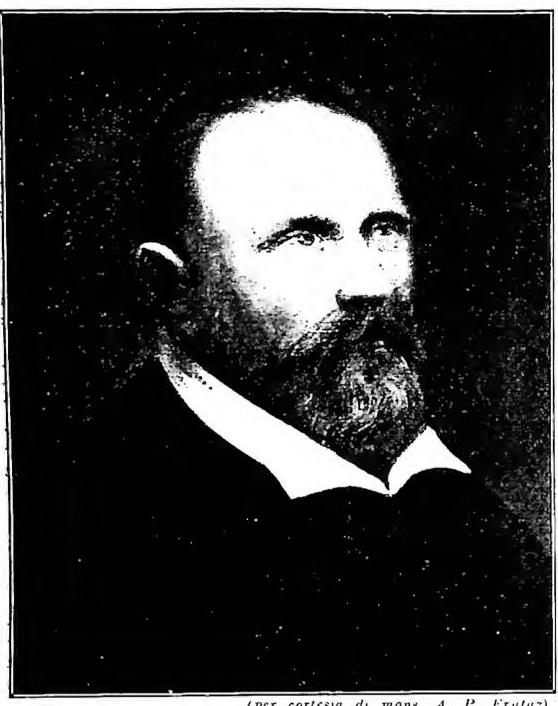
(courtesy of Mons. A. P. Frutuc)
GIROLAMO MIANI (EMILIANI), saint — Portrait of S. G. M. Detail by Leandro da Bassano (1558–1622) — Venice, Museo Correr.
of charity; moreover, G. made his personal revenues available to the orphans: but he did so only until 1531, when he renounced his property in favor of his nephews). A characteristic of his work was not only the spiritual formation of young people, but also directing them in the choice of material employment; the Saint’s fundamental conception was the establishment of the orphanage as an entity in its own right.
In 1532 he left Venice, having been summoned to Verona by Giberti: there he organized the orphanage; then he went to Brescia, Bergamo (where he established a home for female converts), and Como. In 1533 he formed the first nucleus of the future Order of Clerics Regular of Somasca, and established the village of Somasca (Bergamo) as the central seat of his group. In 1534 he founded an orphanage in Milan, followed by the Opera delle convertite; he extended his activity to Pavia. The license for the regular practice of his group dates from 1535.
G. is a typical and luminous example of a man of the Catholic reform, so rich in humility and asceticism, in trust in God and in human beings, and in serene Christian optimism: «pareva che havesse il Paradiso in mano, per la sicurezza sua; faceva diverse essorazioni a' suoi, e sempre con la faccia si allegra e ridente, ch'innamorava, et inebriava dell'amor di Christo chiunque il mirava», thus the vicar general of Bergamo described him in 1537 (cf. G. Landini, op. cit. in bibliography, p. 485); G.’s letters (unfortunately, only 6 have survived) provide a vivid profile of his personality: active, shrewd, and an excellent administrator. Moreover, his realism as a practical man, transposed and sublimated into the mystical expectation of Christ, is captured in the splendid portrait attributed to Leandro da Ponte (Museo Correr).
Benedict XIV beatified him in 1747; Clement XIII canonized him in 1767. His feast falls on 20 July.